
Learn Wine, One Glass at a Time
Practical, beginner friendly wine education to help you taste with confidence. From understanding labels and regions to pairing food and building your palate, we make wine approachable one guide at a time.
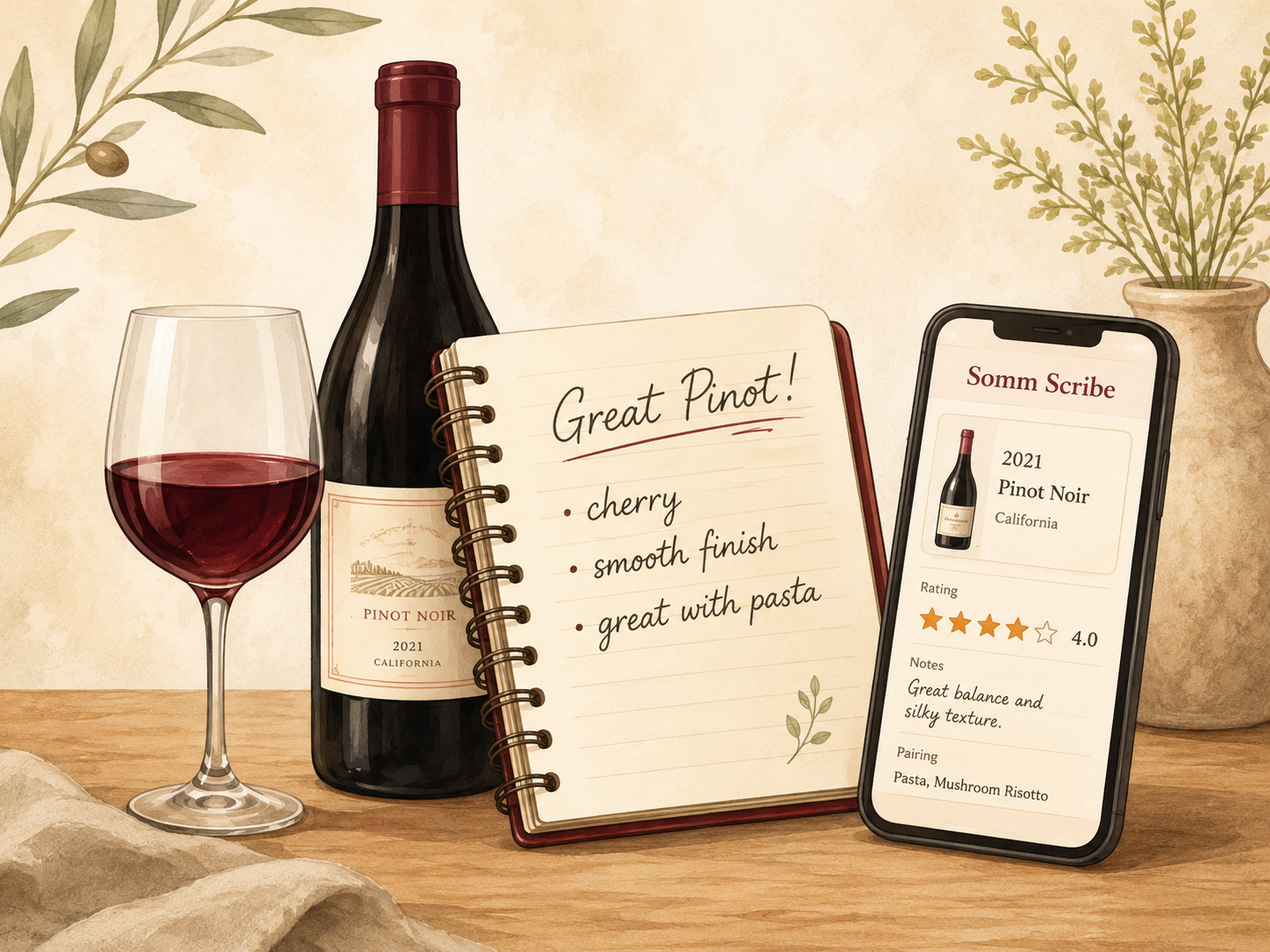
Turn what you learn into wines you remember
Track bottles, notes, ratings, and preferences in your personal wine journal. Somm Scribe helps you learn, remember, and enjoy wine more.
Start Here
Essential Guides to help you build confidence with wine.
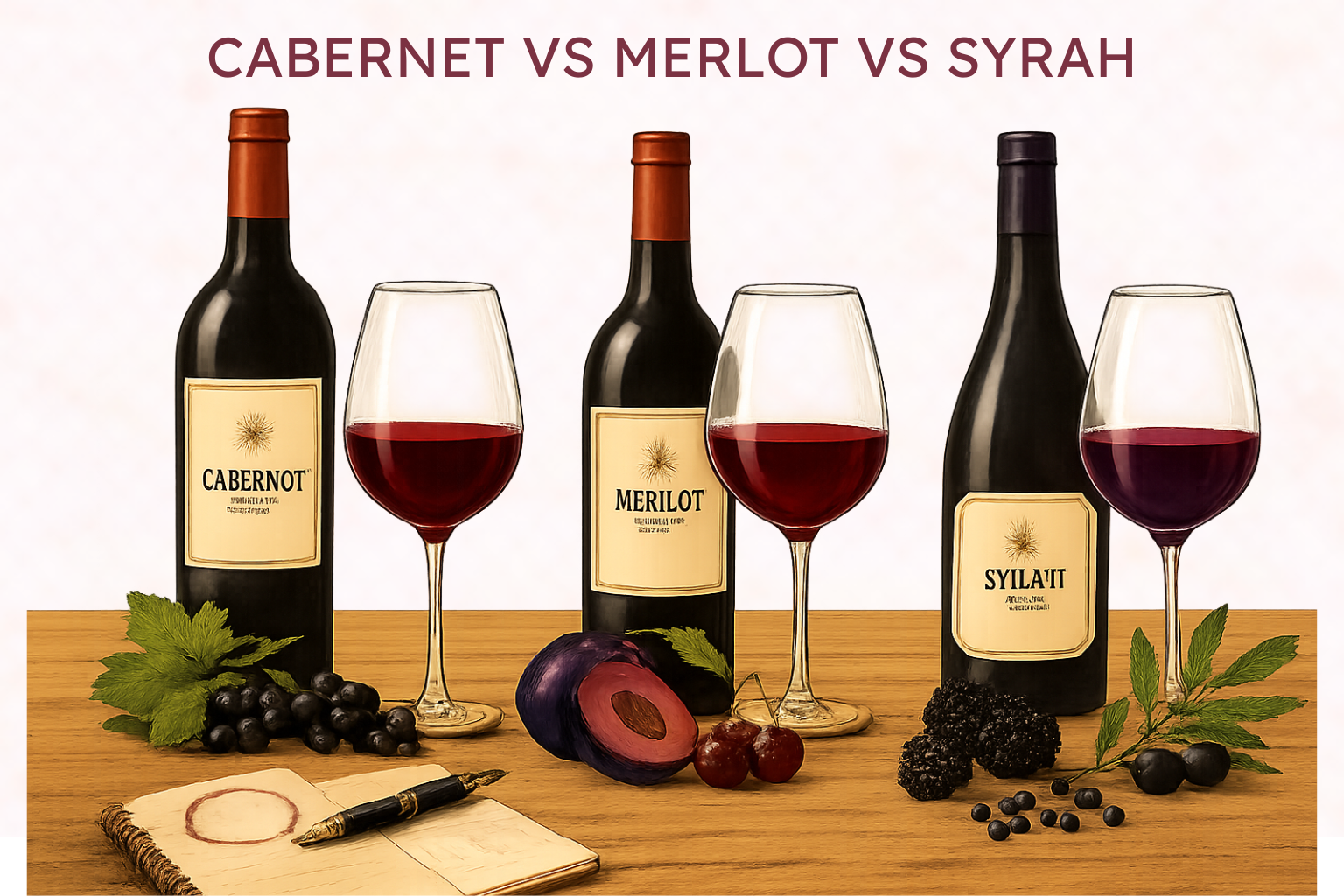
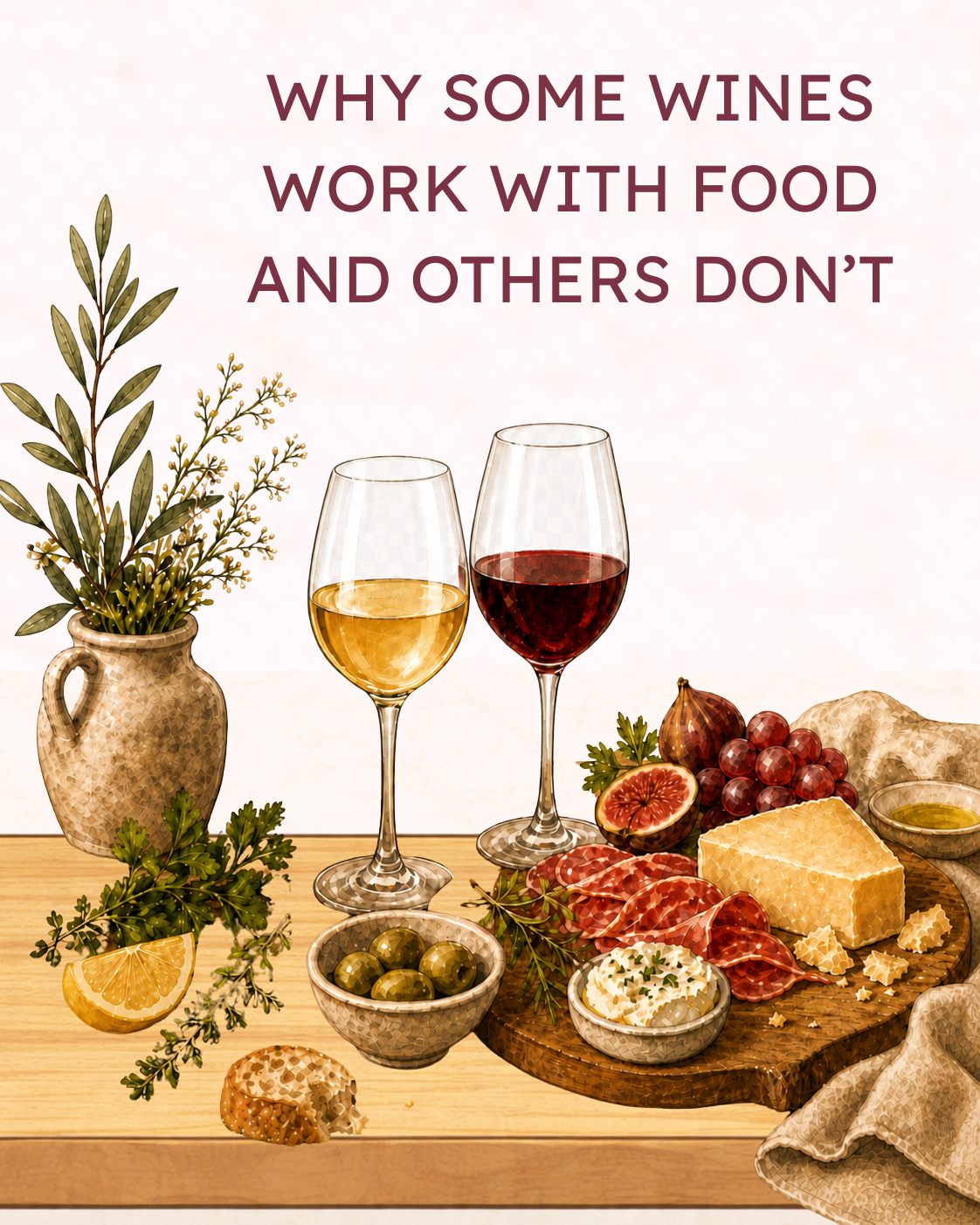
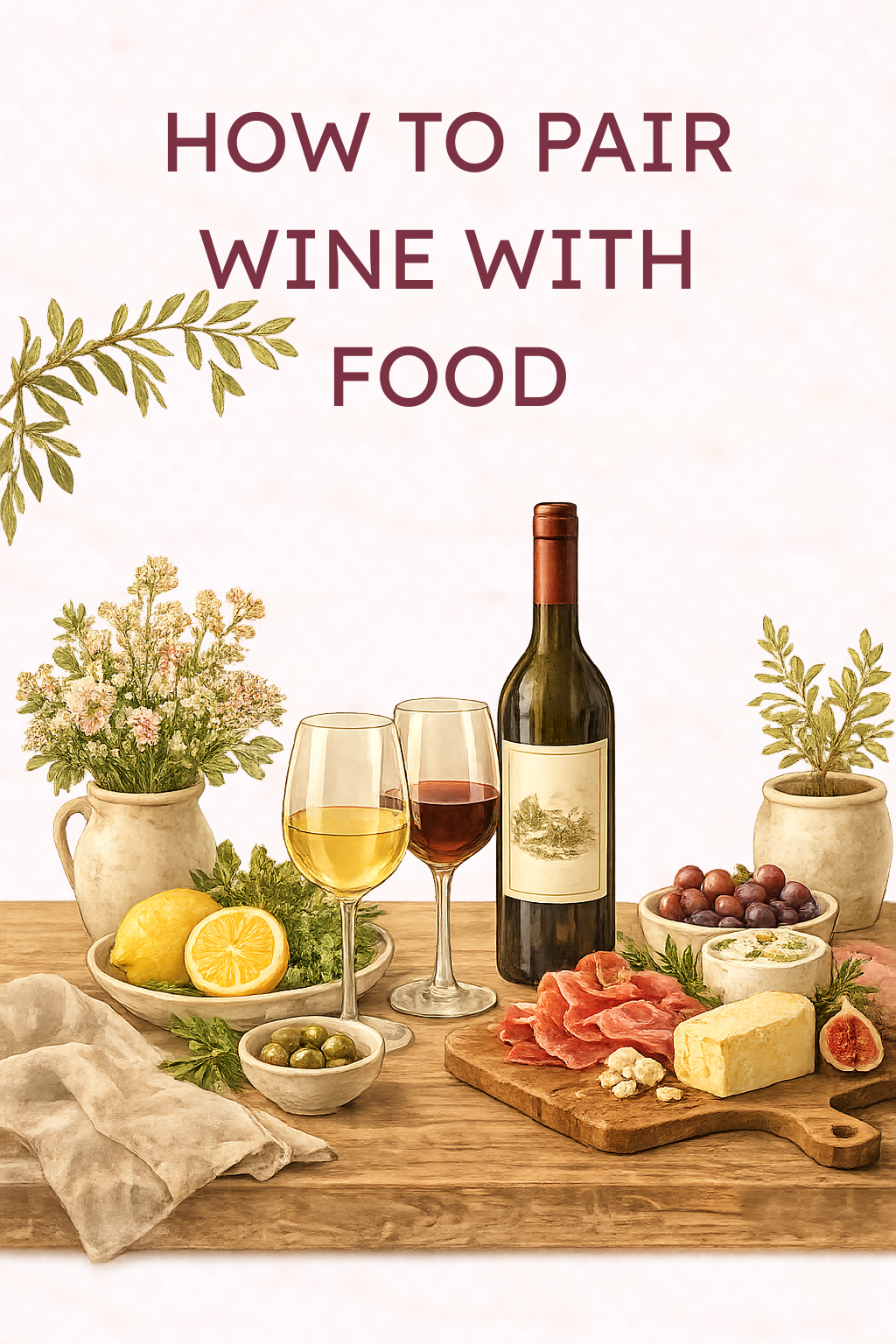
Discover Your Wine Style
Take our quick quiz to uncover the wines you’ll love based on your tastes, mood, and lifestyle.
Quick & Easy
Takes less than 2 minutes
Personalized Results
Get wine recommendations that match your style
Better Choices, Every Time
Shop and explore with confidence
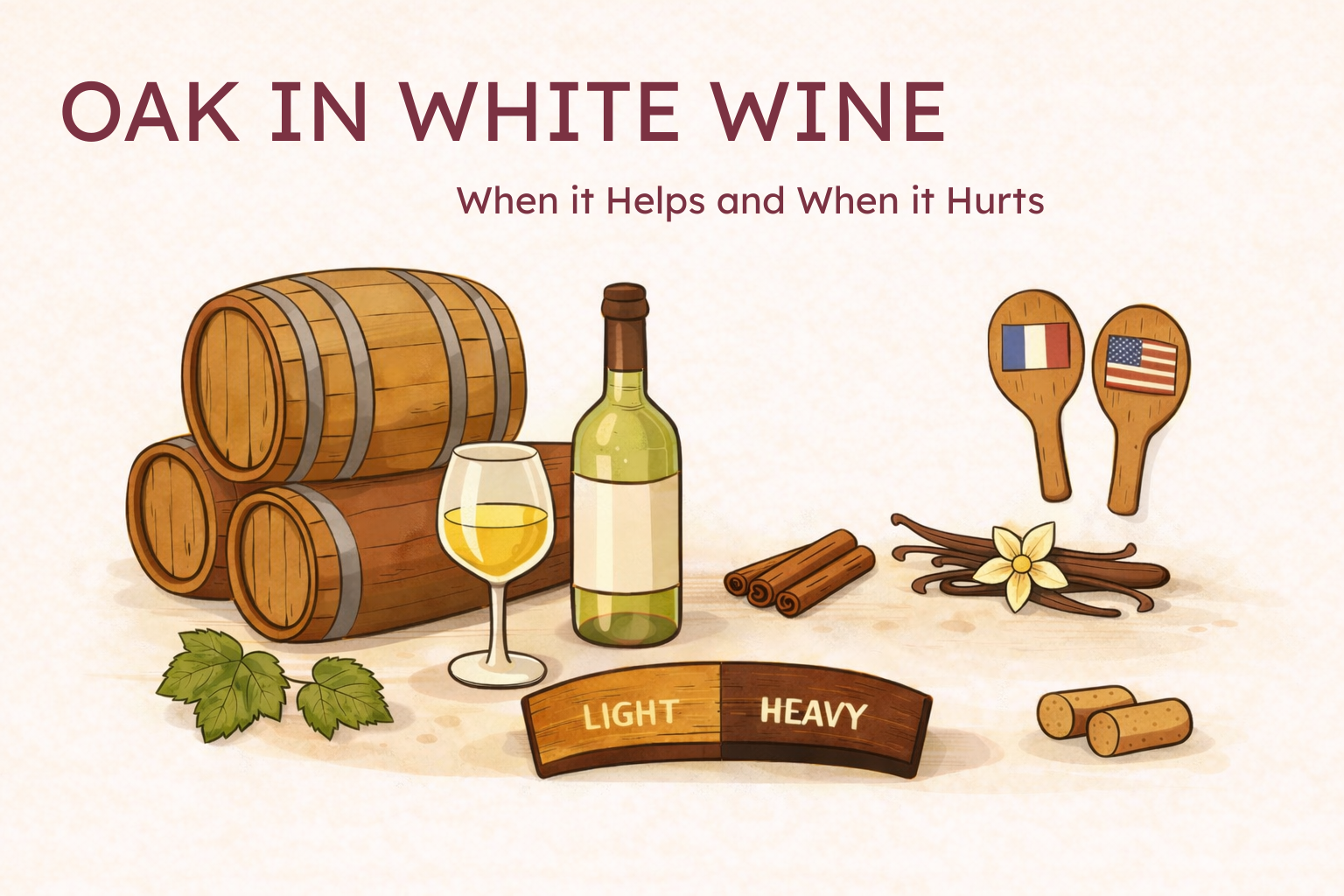
Oak in White Wine: When It Helps and When It Hurts
Oak can add depth and creaminess to white wine or overwhelm its freshness. Here’s how to tell when oak enhances a wine and when it throws it out of balance.
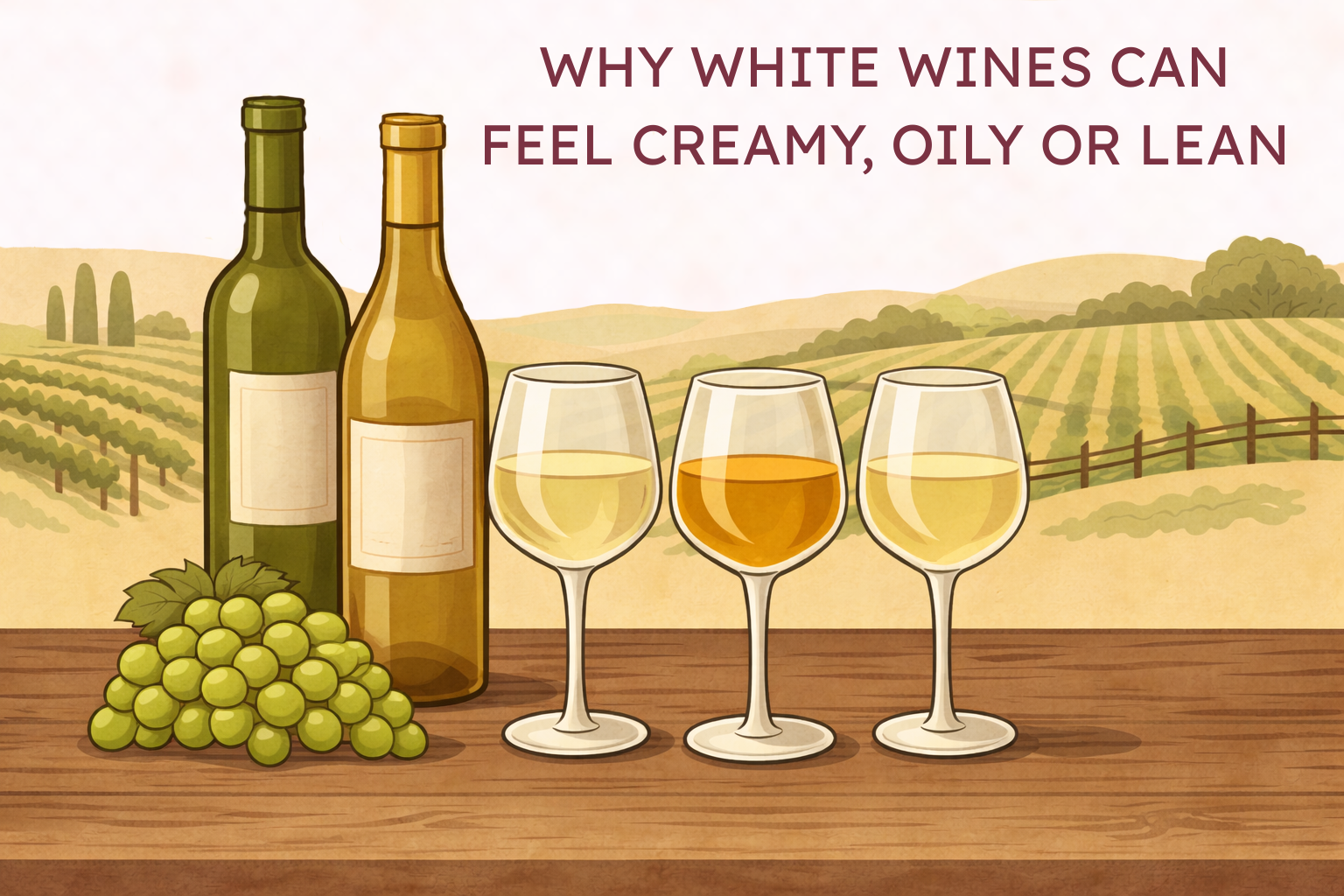
Why White Wines Can Feel Creamy, Oily, or Lean
Why do some white wines feel creamy and smooth while others taste lean and crisp? This guide explains what creates oily, rounded, or refreshing textures in white wine — from acidity and oak aging to winemaking choices — so you can confidently choose the style you’ll love.
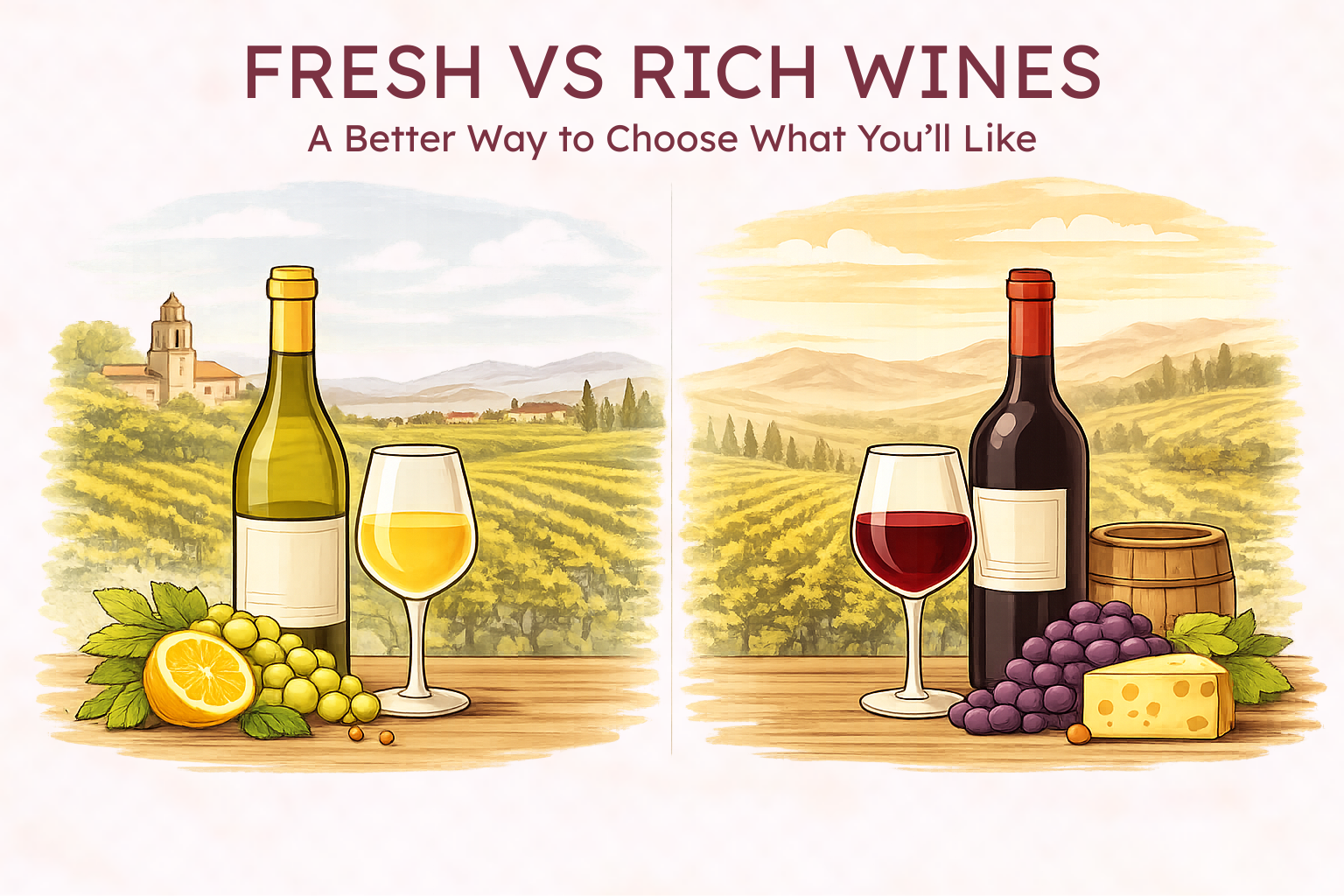
Fresh vs Rich Wines: A Better Way to Choose What You’ll Like
Not sure what wine to choose? Stop memorizing grape names. Learn the simple difference between fresh and rich wines and use it to confidently pick bottles you’ll actually enjoy.
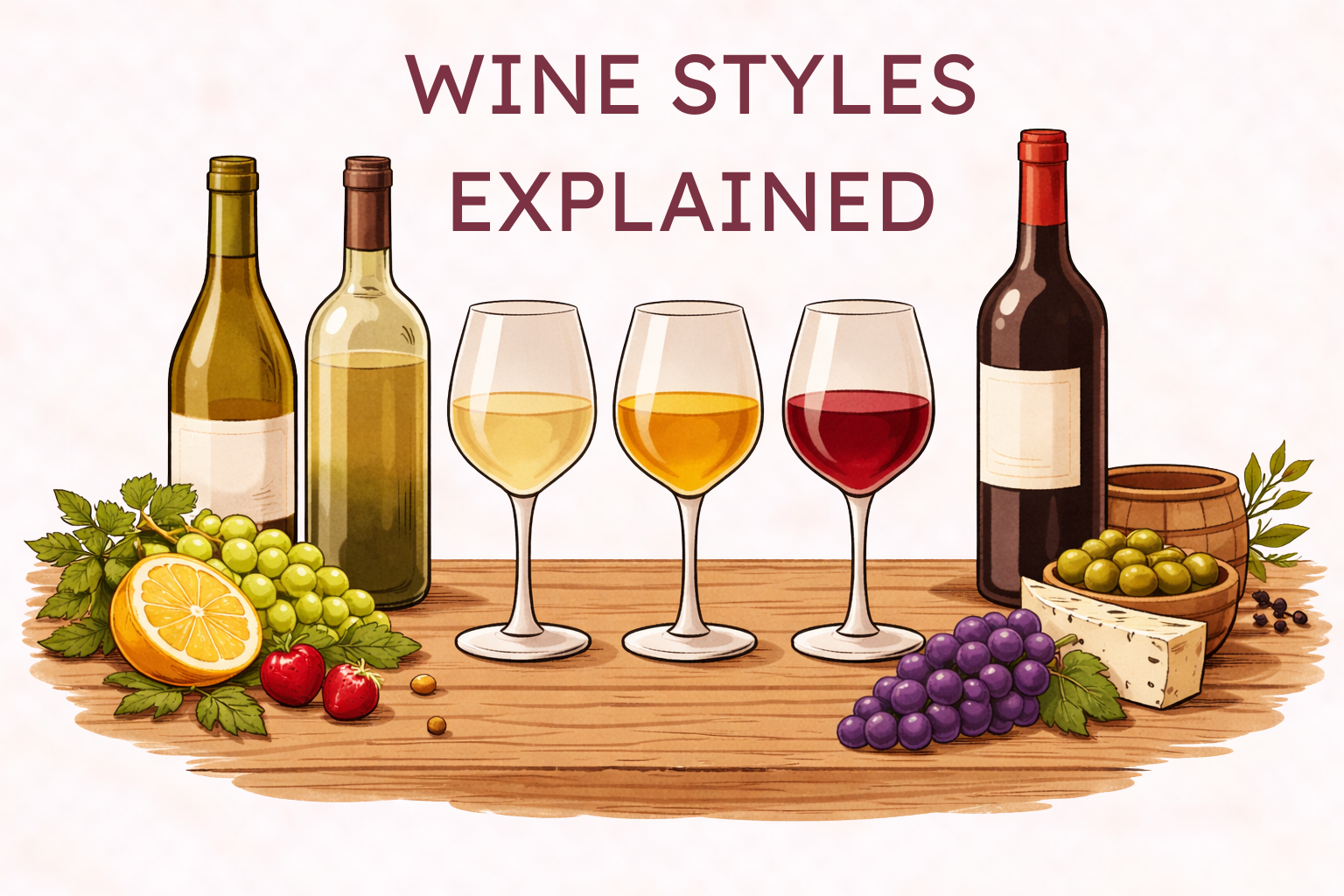
Wine Styles Explained: Light, Medium, and Full (Across Red & White)
Wine styles aren’t just about flavor—they’re about feel. Learn the difference between light-, medium-, and full-bodied wines across red and white, plus classic examples in each category, so you can order or buy with confidence every time.
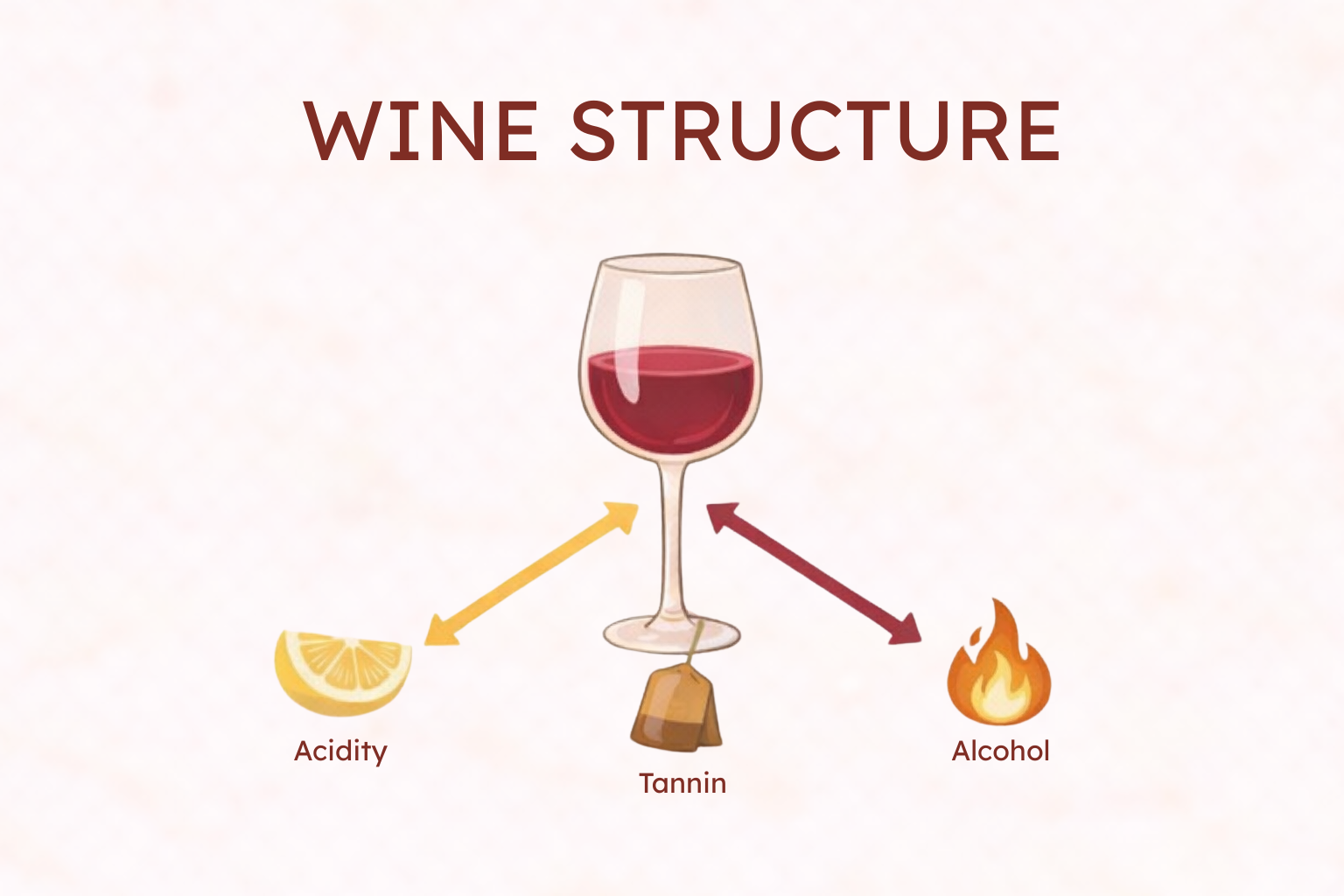
Acidity vs Tannin vs Alcohol: How Wine Structure Really Works
What really makes wine feel crisp, smooth, or warming? Learn how acidity, tannin, and alcohol work together to create wine structure and why understanding feel matters more than memorizing tasting notes. Once you know what to notice, wine becomes easier to choose, easier to pair with food, and easier to enjoy with confidence. No jargon required, just a clearer way to understand what’s happening in the glass.

Why the Same Wine Can Taste Better (or Worse) on Different Days
Have you ever opened a bottle you know you like, only for it to taste completely different than you remembered? You’re not imagining it. Wine doesn’t show up the same way every day because you don’t. Your mood, what you’ve eaten, your energy level, even how much attention you’re paying all shape how a wine feels in the moment. Understanding this isn’t about being “better” at wine — it’s about trusting your experience and realizing that wine is always a conversation, not a fixed result.
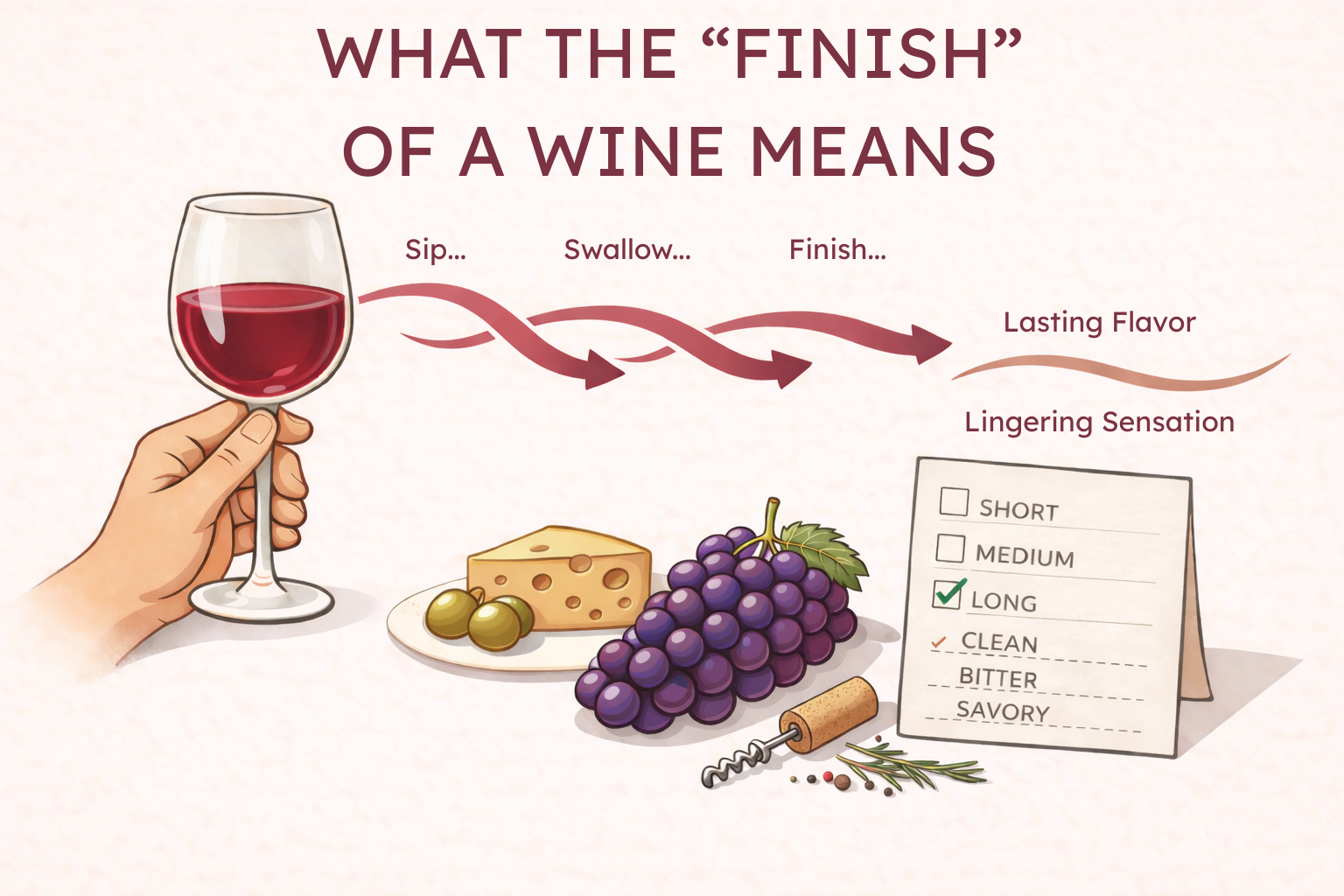
What the “Finish” of a Wine Means
The finish of a wine is what happens after the sip — the flavors, textures, and sensations that linger once the wine is gone. Some wines fade quickly. Others stay with you, changing and unfolding. Understanding finish is one of the easiest ways to tell how a wine is built and why some bottles feel more satisfying than others.
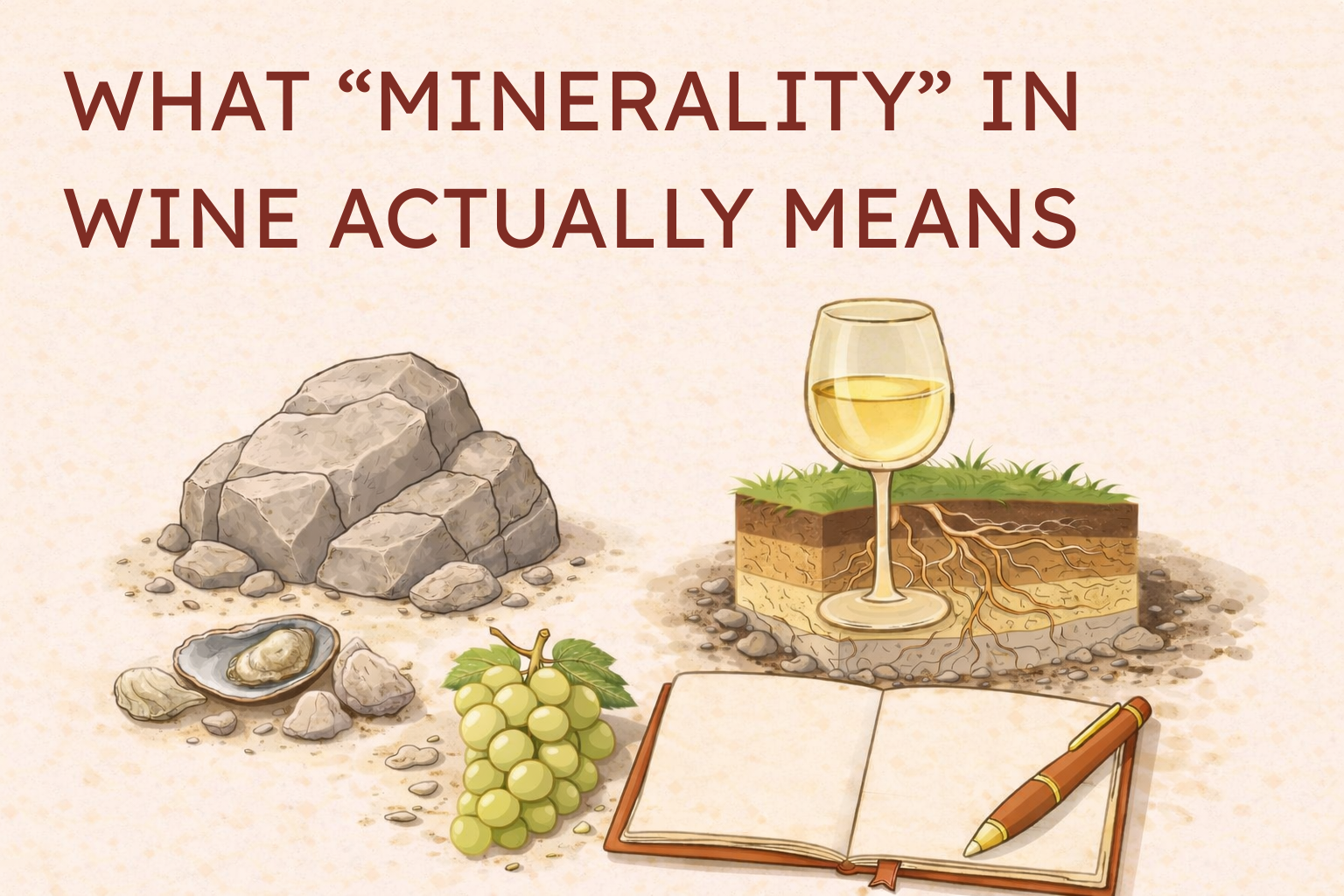
What “Minerality” in Wine Actually Means
Minerality describes wines that feel clean, savory, and refreshing rather than fruity or sweet. It shows up as stony, earthy, or subtly salty notes that create a sense of purity, restraint, and food-friendly balance on the palate.
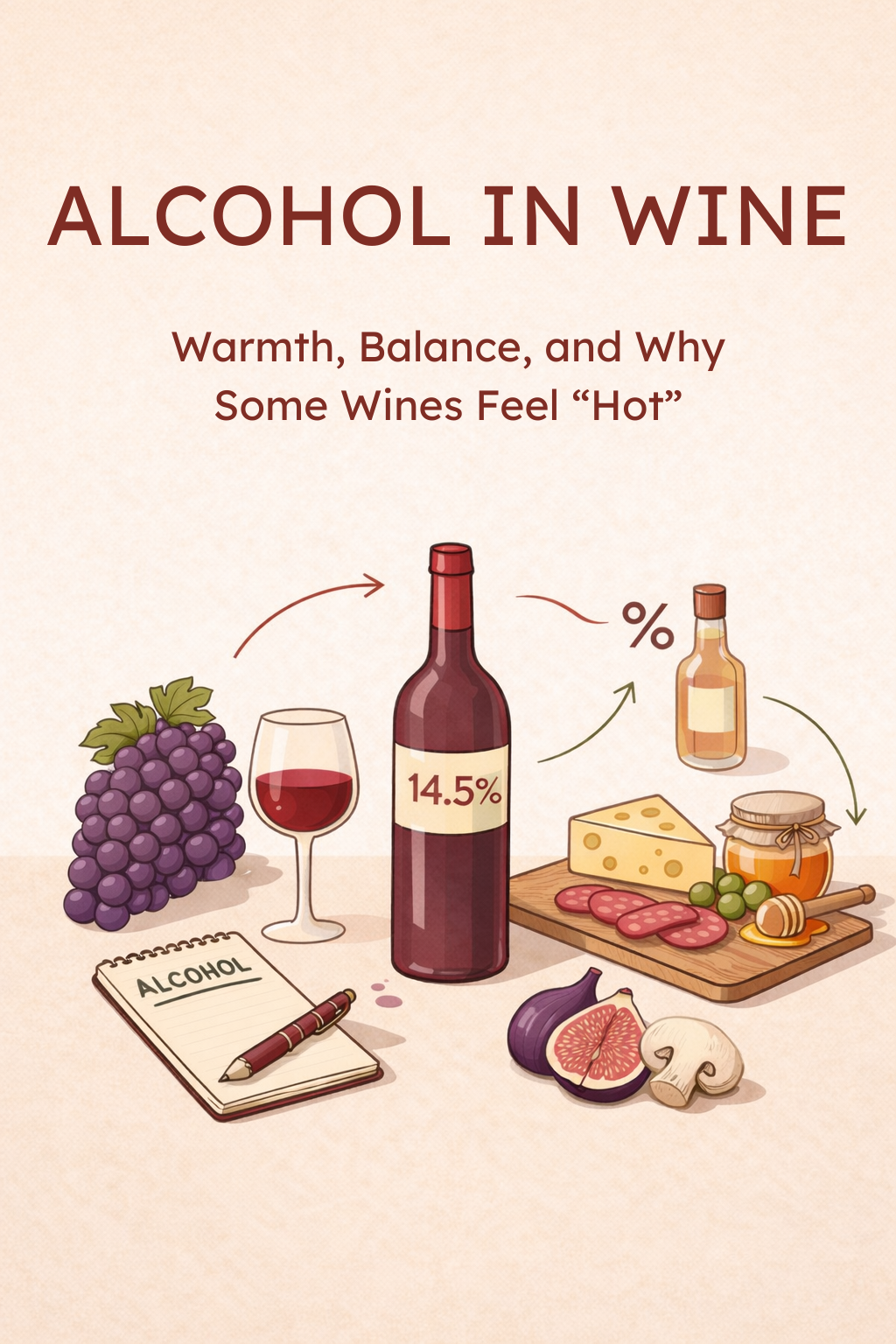
Alcohol in Wine: Warmth, Balance, and Why Some Wines Feel “Hot”
Alcohol can make a wine feel warm, smooth, or sometimes a little harsh. It’s not just about the number on the label—it’s about how alcohol fits into the wine as a whole and how it feels once you start sipping.
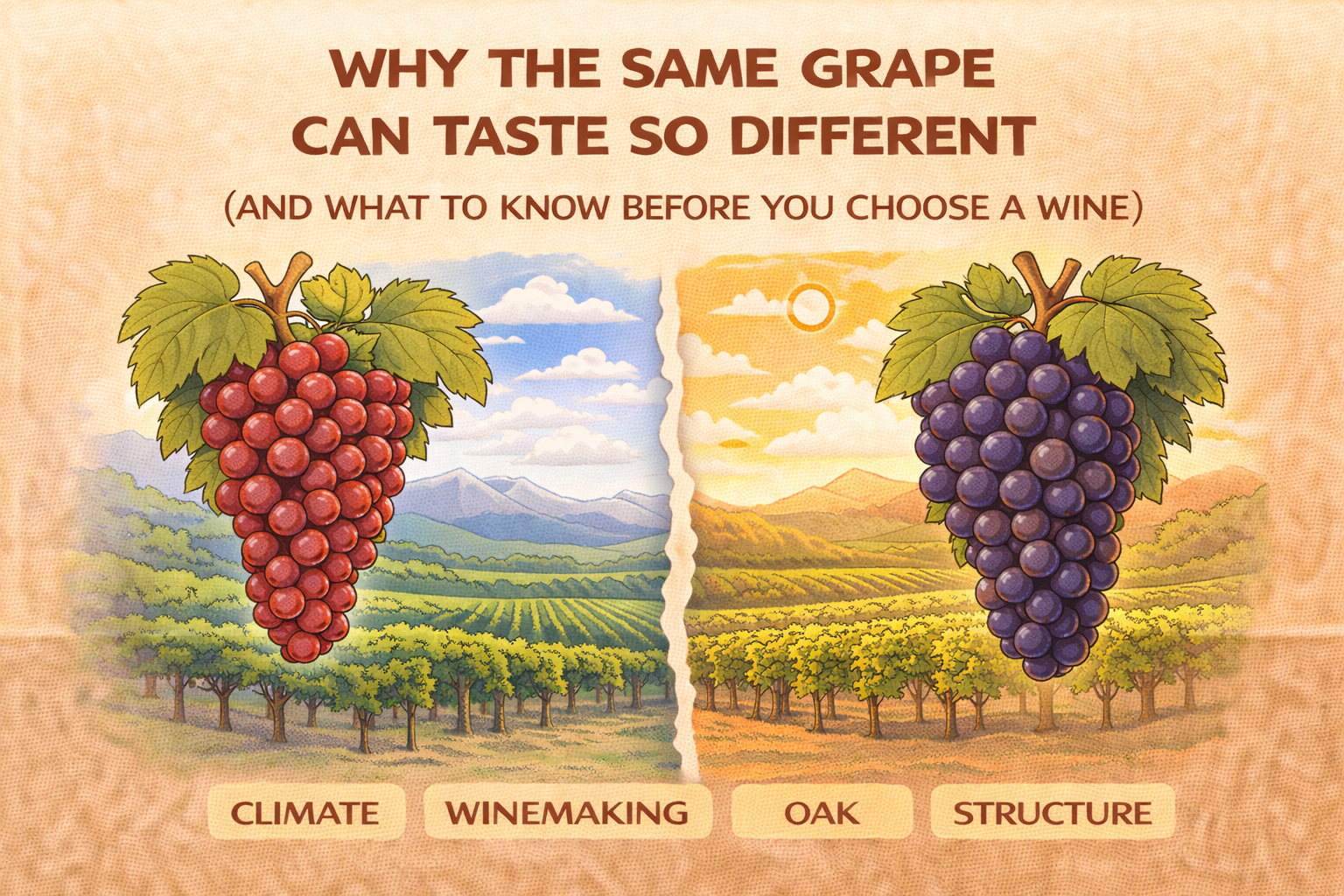
Why the Same Grape Can Taste So Different
If wine has ever felt inconsistent or confusing, this is usually why. You buy a Pinot Noir you love and the next bottle with the same grape on the label tastes darker, earthier, or heavier than you expected. Same grape. Same color. Completely different experience. That disconnect isn’t your palate failing you. It’s how wine actually works. A grape variety is only the starting point. What happens to that grape, where it’s grown, how it’s handled, and how it’s finished has a massive impact on how the wine ends up tasting. Once you understand this, wine stops feeling unpredictable and starts feeling readable.
Remember the wines you actually enjoy.
Your free wine journal makes it easy to track what you love, learn from every bottle, and find your perfect pour.