
Wine Styles Explained: Light, Medium, and Full (Across Red & White)
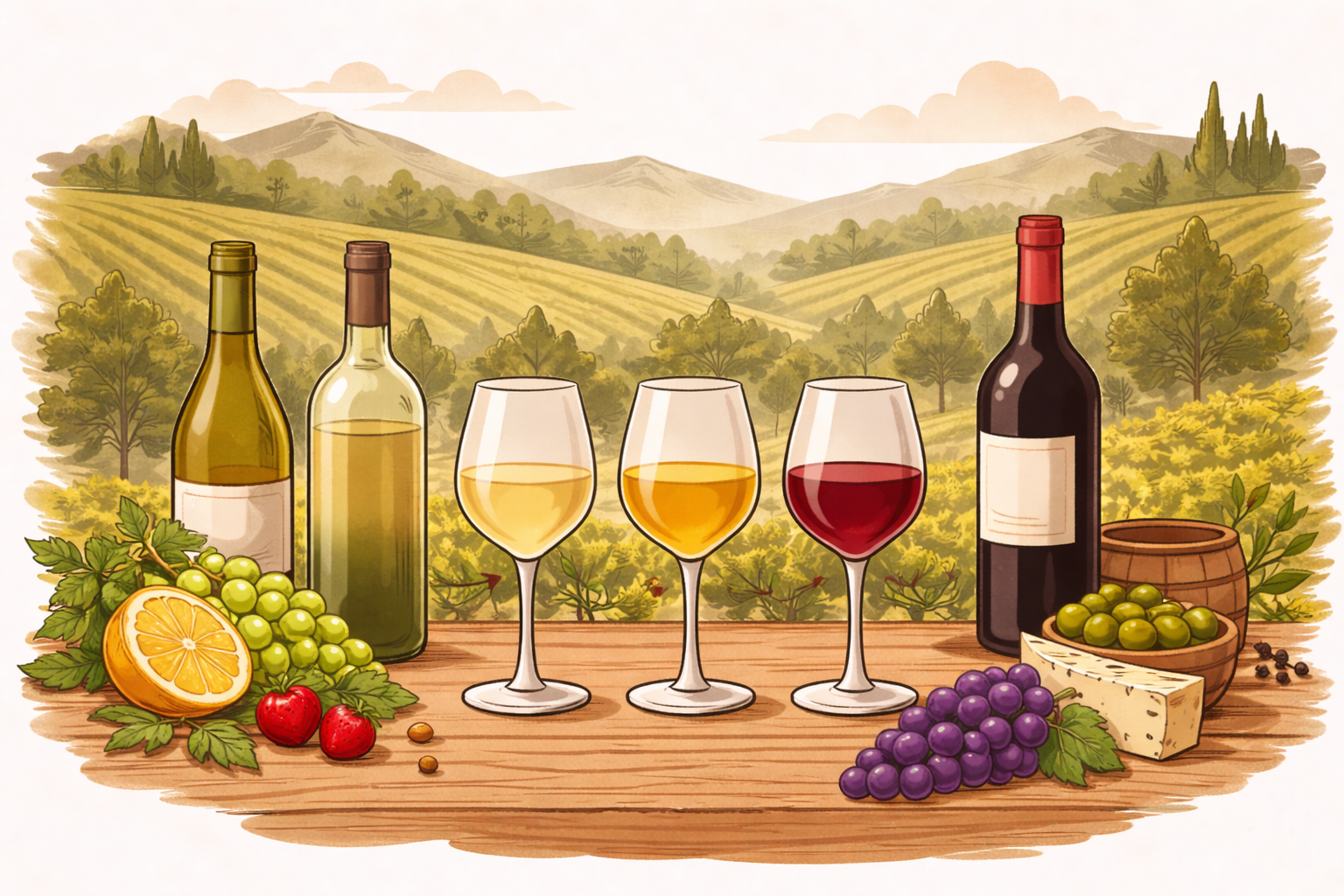
When someone says they like “bold reds” or “light whites,” they’re not talking about flavors like cherry or lemon. They’re talking about body. Body is how wine feels in your mouth. Is it delicate and refreshing? Smooth and rounded? Rich and weighty? Once you understand body, choosing wine becomes dramatically easier without memorizing regions, producers, or tasting notes. If you haven’t already, start with our foundational guide to Wine Body Explained. This post builds on that and shows you how body works across both red and white wines. Let’s simplify it.
What “body” actually means
Body is the wine’s weight and texture on your palate. Think of it like the difference between:
Skim milk (light-bodied)
Whole milk (medium-bodied)
Cream (full-bodied)
That “weight” comes from a few building blocks working together: Alcohol tends to add warmth and body. Higher alcohol often feels broader and heavier. Acidity does the opposite: it creates lift, freshness, and a lighter feel. Tannin (mostly in reds) adds grip and structure, which can make a wine feel more substantial. Sweetness can add weight and roundness (even when the wine isn’t obviously “sweet”). Oak aging can add texture and richness (think vanilla, toast, spice, a creamy feel).
Light-bodied wines: crisp, breezy, and “one more sip”
Light-bodied wines feel refreshing and agile. They’re often the easiest to pair with lighter foods and the most forgiving when you’re sipping without a meal.
Light-bodied whites: the “zesty” lane
These often show citrus, green apple, herbs, watery fruit, or salty-mineral vibes. They typically feel clean and snappy. Classic examples to look for include Sauvignon Blanc (especially Loire-style), Albariño, Pinot Grigio/Pinot Gris in a lighter style, Muscadet (Melon de Bourgogne), and dry Riesling (especially in a lean, high-acid style). Many unoaked “fresh” whites—often labeled as crisp or coastal—also land here.
What to order when you want a light white: look for wines described as crisp, bright, zippy, refreshing, mineral, or stony.
Light-bodied reds: the “juicy but not heavy” lane
Light reds usually have lower tannin and a more delicate frame. Think red berries, florals, gentle spice, and a refreshing finish. Great examples include Pinot Noir (especially lighter, brighter expressions), Gamay (Beaujolais), Frappato, Cinsault, and many lighter Grenache-based blends (when made in a fresh, low-extraction style). You’ll also sometimes see “chillable reds” in this category—wines intentionally made to be bright and gulpable.
What to order when you want a light red: look for bright, fresh, delicate, silky, juicy, or high-toned.
A helpful mental shortcut: light-bodied red = red wine that behaves a little like white wine (lift, drinkability, less grip).
Medium-bodied wines: the “crowd-pleaser” middle
Medium-bodied wines feel balanced with enough texture to satisfy, but not so much weight that they demand a heavy meal. If you’re unsure what someone likes, medium-bodied is often the safest bet.
Medium-bodied whites: rounded, but still fresh
These wines often feel a touch broader, sometimes with ripe orchard fruit (pear, yellow apple), stone fruit (peach), or a gentle creamy edge—without feeling “big.” Easy examples include Chenin Blanc (especially dry styles), Viognier in a restrained style (more peachy than oily), Pinot Gris in a richer Alsace-style, and Chardonnay that’s lightly oaked or partially oaked (often described as “balanced” rather than “buttery”). Many white Rhône blends also sit comfortably in medium body.
Some medium whites are medium because of ripeness; others because of subtle oak or lees aging (a winemaking technique that can add a soft, bready creaminess).
Medium-bodied reds: structured, but not exhausting
Medium-bodied reds start to show more structure—more tannin grip, more mid-palate weight, and often darker fruit than light reds, but still with good flow. Great examples include Merlot, Sangiovese (Chianti-style), Tempranillo (Rioja-style), Grenache (especially in smoother, red-fruited expressions), and many Malbecs that emphasize fruit and plushness without going super heavy.
This is where you’ll find many “house red” favorites: versatile, food-friendly, and widely appealing.
Full-bodied wines: rich, powerful, and built for bold moments
Full-bodied wines feel dense, broad, and lingering. They can be deliciously plush, but they’re also the easiest to mis-pair—because the wine can overwhelm delicate food (or vice versa).
Full-bodied whites: yes, they exist
Full-bodied whites often come from riper fruit, higher alcohol, oak aging, or winemaking choices that build texture (like malolactic fermentation, which can create that buttery, creamy feel). Go-to examples include oaked Chardonnay (especially richer styles), white Rhône varieties/blends like Marsanne/Roussanne, and fuller expressions of Viognier (more oily and aromatic). Some Rioja Blanco styles (oak-influenced) also land in this richer lane. If you love whites that feel rich and smooth, you’re probably in the full-bodied camp.
A perfect next step here is Chardonnay Flavor & Styles because Chardonnay is one of the clearest “style chameleons” in wine—from light and citrusy to full and creamy.
Full-bodied reds: the classic “big red”
Full-bodied reds usually bring more alcohol warmth, darker fruit, and firmer tannin (though tannin levels vary by grape and region). They tend to pair best with richer foods, higher fat, or char from grilling. Classic examples include Cabernet Sauvignon, Syrah/Shiraz, Monastrell/Mourvèdre, Nebbiolo (structured and powerful, even when not “heavy” in fruit), and Bordeaux-style blends. Many big, oaked red blends (often labeled “reserve” or “old vine”) also live here.
If you want the flagship example—and how it can range from approachable to intense—jump to Cabernet Sauvignon Beginner’s Guide.
The quickest way to choose your body level: use your “vibes” prompt
Instead of asking yourself “What grape should I buy?”, try asking: What do I want this wine to feel like? Here are three easy prompts you can use anywhere (shop, restaurant, friend’s house):
“I want something light and refreshing.”
“I want something balanced—flavorful but not heavy.”
“I want something rich and bold.”
Those phrases map cleanly to light / medium / full—and most wine pros will immediately know what direction to guide you.
Common misconceptions that trip people up
“Red wines are always fuller than whites.”
Not true. Some whites can be full-bodied and creamy, while many reds can be light and fresh.
“Full-bodied means high quality.”
Also not true. Body is a style, not a score. A great light-bodied wine can be just as impressive as a great full-bodied wine—it’s about what fits the moment.
“Sweet wines are always full-bodied.”
Sweetness can add weight, but plenty of sweet-leaning wines still feel light if acidity is high and alcohol is moderate.
Food pairing made simple: match weight, then fine-tune flavor
A simple rule that works more often than it fails: match the wine’s weight to the food’s weight. Light wine loves lighter foods (salads, seafood, simple pastas). Medium wine loves middle-weight foods (roast chicken, creamy pasta, weeknight dinners). Full wine loves rich foods (steak, braises, dishes with fat, char, or deep savory flavors).
Once weight matches, you can get picky about flavors, but weight is the foundation.
How Somm Scribe helps this feel effortless in real life
Once you start thinking in “light / medium / full,” wine gets dramatically easier—but labels and menus don’t always spell it out.
Somm Scribe helps you translate what you’re seeing (a grape, a region, a short menu description) into the style you actually want, so you can choose confidently even when the options are unfamiliar.
