
Chardonnay: Flavor, Styles & How to Taste It
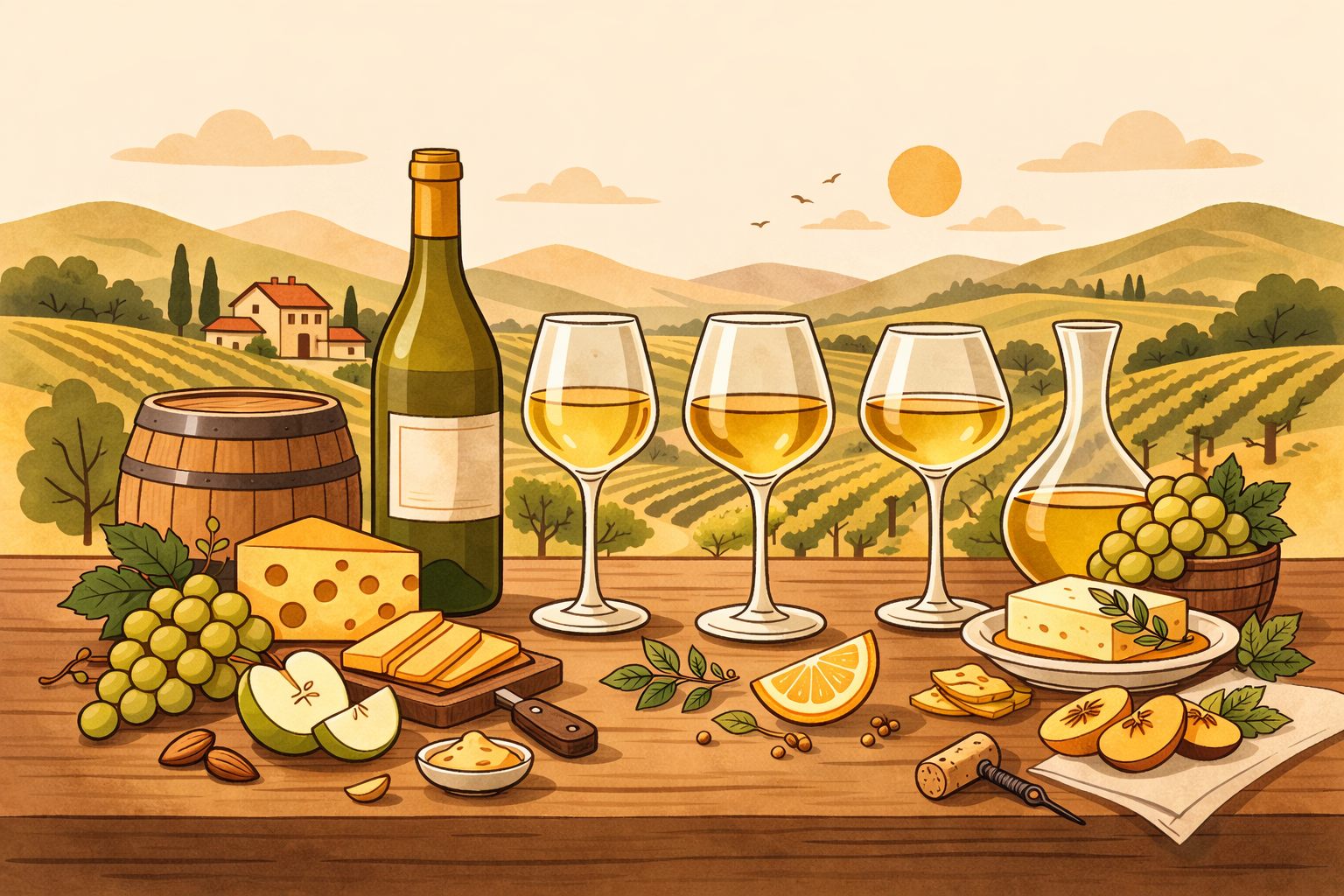
Chardonnay is one of the most versatile and widely loved white wines in the world. It can be crisp and citrusy, rich and buttery, mineral-driven, tropical, or somewhere in between. If you're exploring Chardonnay or trying to understand what makes it so unique, this guide breaks down the flavors, styles, and tasting cues that help you get the most out of every glass.
What Does Chardonnay Taste Like?
Chardonnay is often called a “winemaker’s grape” because it takes on the character of where it’s grown and how it’s made. That means the flavor can shift quite a bit depending on the style.
Here are the core flavors you’ll encounter:
Fruit Flavors
Green apple
Lemon
Pear
Peach
Pineapple
Melon
Cooler climates → more citrus and apple. Warmer climates → more stone fruit & tropical notes
Texture
Chardonnay can range from:
Light and crisp
Medium-bodied with smooth edges
Full, creamy, and round
Texture is a major part of why people love (or dislike!) certain Chardonnay styles.
Two Main Styles of Chardonnay
1. Unoaked Chardonnay
Bright, fresh, and clean. You’ll notice:
Lemon, green apple, pear
Mineral or saline notes
Higher acidity
Light-to-medium body
Regions known for this style:
Chablis (France)
Oregon
New Zealand
Sonoma Coast
Unoaked Chardonnay is great for those who enjoy refreshing, energetic white wines.
2. Oaked Chardonnay
Warm, smooth, and richer on the palate. You’ll notice:
Baked apple
Toasted vanilla
Coconut
Brioche
Buttery or creamy texture
Where you’ll find it:
California (Napa, Sonoma, Central Coast)
Australia
Certain warmer French regions
Oaked Chardonnay blends fruit with warm baking-spice notes and often feels rounder and more plush.
Where That “Buttery” Flavor Comes From
Many people associate Chardonnay with a buttery flavor — but not all Chardonnay tastes like that. The buttery character comes from malolactic fermentation (MLF), a process that softens acidity and adds:
Buttery aromas
Creamy texture
Notes of brioche or custard
If you don’t like buttery wines:
→ Look for “unoaked,” “no MLF,” or “Chablis-style.”
If you do like buttery wines:
→ Look for “barrel fermented,” “rich,” “creamy,” or “full-bodied Chardonnay.”
Old World vs. New World Chardonnay
Understanding stylistic differences helps you pick what you’ll enjoy.
Old World (France, Italy)
More mineral-driven
Higher acidity
Subtle fruit
Less emphasis on oak
Leaner structure
Examples: Chablis, Burgundy (white), Alto Adige
New World (U.S., Australia, Chile)
Riper fruit
More tropical notes
Fuller body
More use of oak
Often creamier
Examples: Napa Valley, Sonoma, Margaret River, Chilean Chardonnay
Best Food Pairings for Chardonnay
Chardonnay is incredibly food-friendly because it comes in so many styles. Here’s how to match your wine to your meal:
Crisp / Unoaked Chardonnay
Pairs well with:
Grilled fish
Oysters
Sushi
Salads with citrus dressing
Chicken breast
Goat cheese
Why it works: High acidity cuts through lighter dishes and refreshes the palate.
Oaked / Full-Bodied Chardonnay
Pairs well with:
Roast chicken
Creamy pasta
Lobster with butter
Butternut squash
Mushroom dishes
Gruyère and aged cheeses
Why it works: Richer Chardonnay complements cream, butter, and roasted flavors.
How to Taste Chardonnay Like a Pro
You don’t need special training — just pay attention to a few key elements.
1. Aroma
Swirl the glass gently and notice:
Citrus or orchard fruit?
Tropical notes?
Vanilla, toast, or baking spice?
Mineral or saline aromas?
These clues often reveal the wine’s style.
2. Palate
On your first sip, ask yourself:
Is it crisp or creamy?
Light or full-bodied?
Does the acidity feel bright?
Do you taste citrus, apple, peach, pineapple?
Texture is one of Chardonnay’s most defining features.
3. Finish
After you swallow:
Do the flavors linger?
Does the wine feel warm, clean, or textured?
A longer finish often signals higher-quality winemaking.
Chardonnay Is a Perfect Wine to Explore
Chardonnay can be sharp and mineral, rich and buttery, or tropical and plush — which makes it one of the most exciting white wines to learn and taste.
Use Somm Scribe to track what you enjoy:
Oaked or unoaked
Citrus or tropical
Crisp or creamy
High or low acidity
Soon you’ll notice your preferences and confidently select bottles that match your style. Start tracking your Chardonnay tastings at Somm Scribe.
