
Learn Wine, One Glass at a Time
Practical, beginner friendly wine education to help you taste with confidence. From understanding labels and regions to pairing food and building your palate, we make wine approachable one guide at a time.
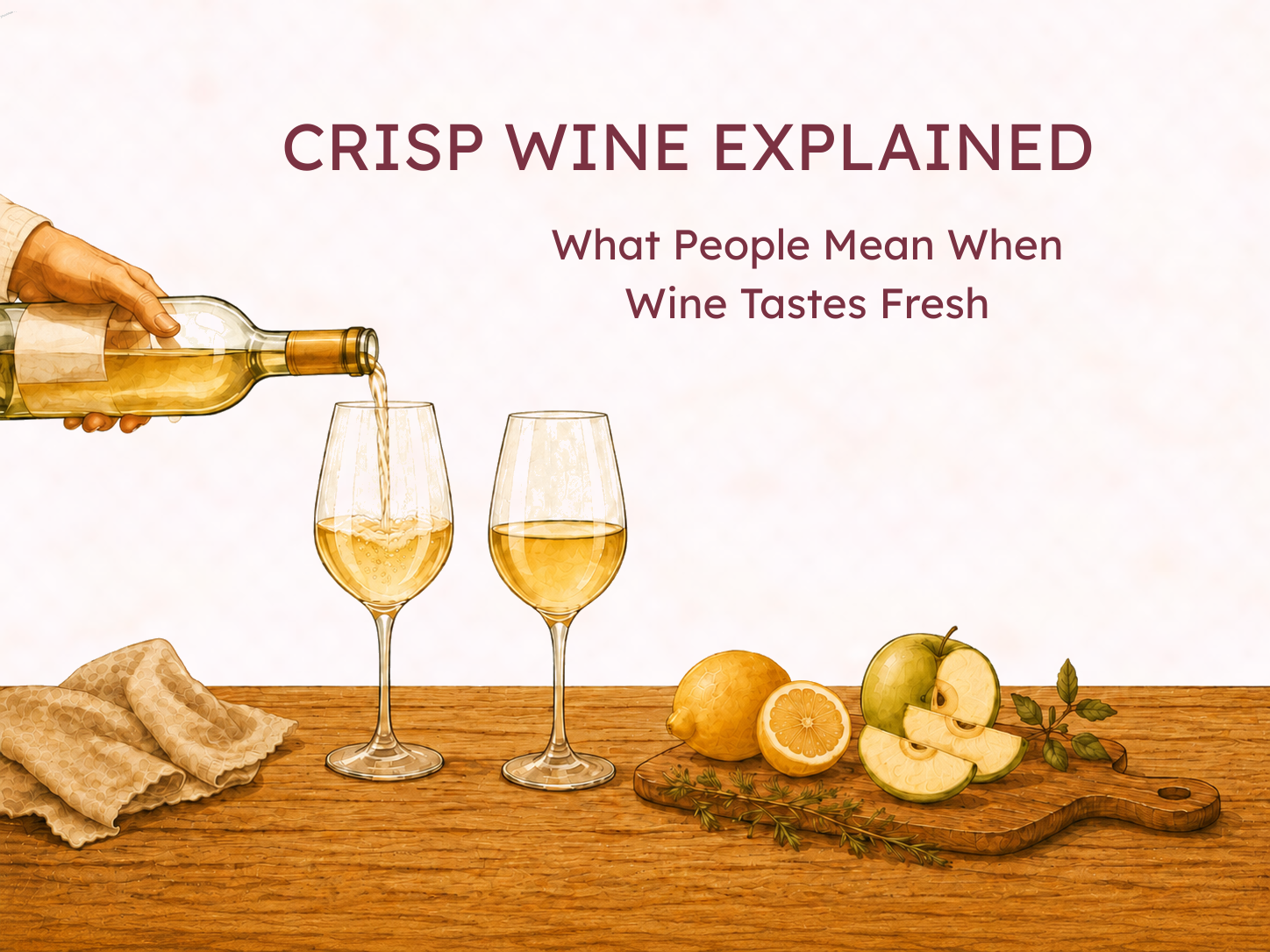
Crisp Wine Explained: What People Mean When Wine Tastes Fresh
Crisp wine means a wine feels fresh, bright, and refreshing — usually because of acidity. This beginner-friendly guide explains what people mean when they call wine crisp, how crisp wines compare to rich wines, and which styles to try if you like clean, mouthwatering bottles.
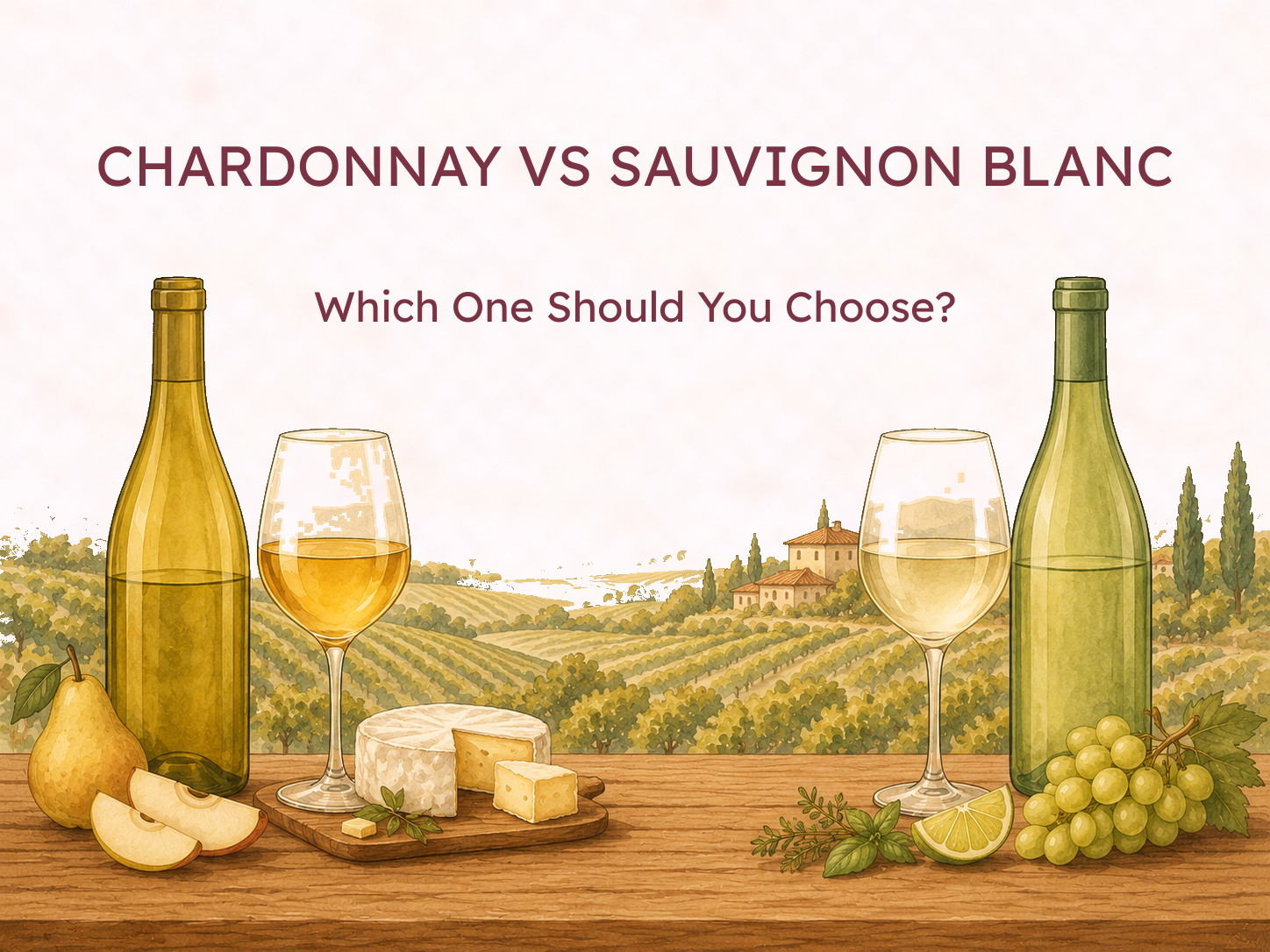
Chardonnay vs Sauvignon Blanc: Which One Should You Choose?
Chardonnay and Sauvignon Blanc are both popular white wines, but they offer very different experiences. Chardonnay is usually fuller, rounder, and sometimes creamy, while Sauvignon Blanc is typically crisp, citrusy, and refreshing. This beginner-friendly guide explains the difference in taste, food pairings, sweetness, and which one to choose based on what you actually like.
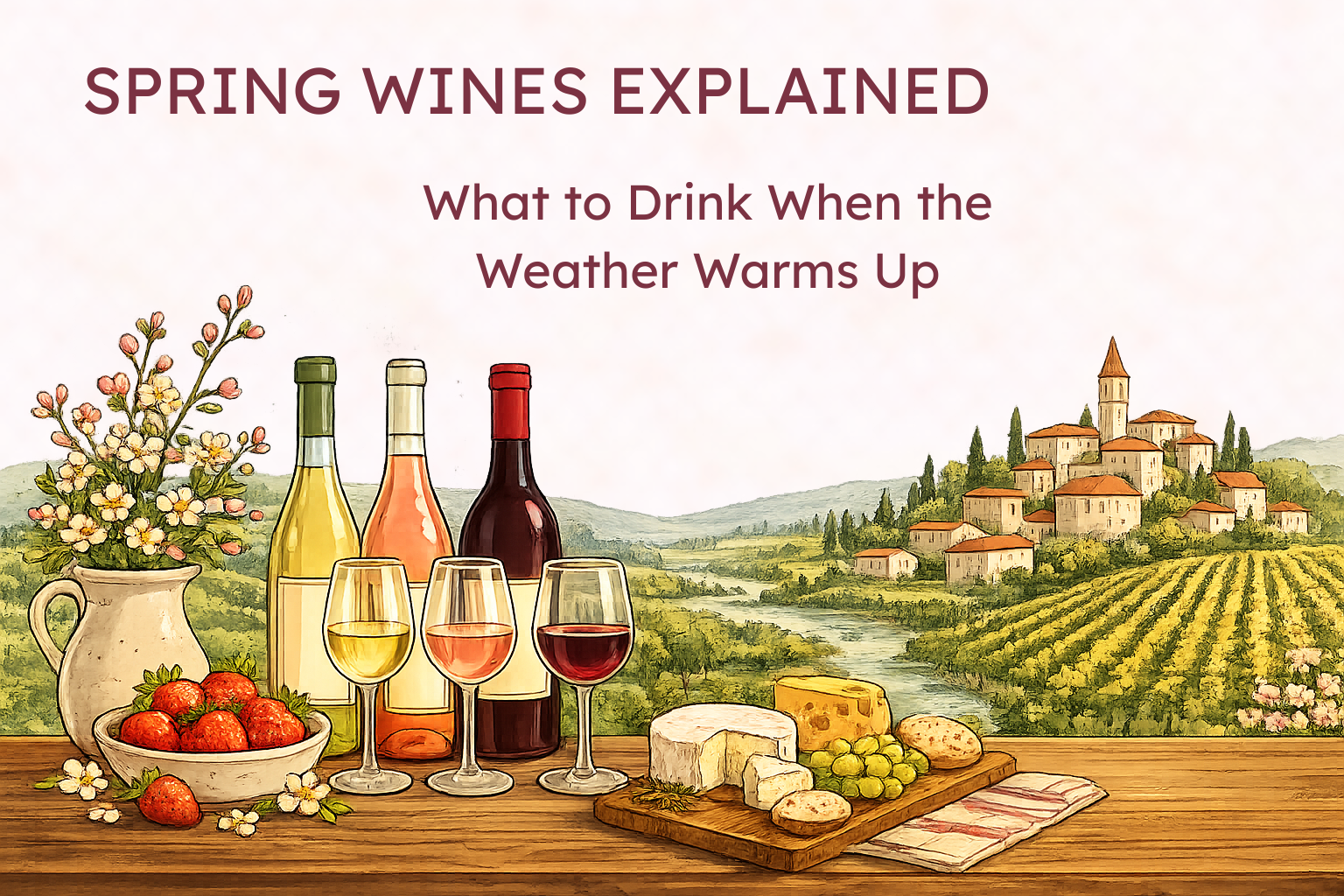
Spring Wines Explained: What to Drink When the Weather Warms Up
Spring wines are all about freshness, balance, and easy drinking. This guide breaks down what to look for from crisp whites to light reds and rosé so you can choose wines that actually match the season.
Sancerre Explained: What it Tastes Like and Why People Love it
Sancerre is one of the most popular French white wines, but it doesn’t list the grape on the label. Here’s what it tastes like, why people love it, and how it compares to Sauvignon Blanc from other regions.
Loire Valley Wines Beyond Sauvignon Blanc: What Else to Try
Sauvignon Blanc might be the Loire Valley’s most famous wine, but it’s far from the only one worth knowing. Here’s what else to try—and how to find styles you’ll actually enjoy.
Sauvignon Blanc Explained: Crisp, Herbal, and Easy to Love
Sauvignon Blanc is one of the easiest white wines to recognize once you know what to look for. Here’s what it tastes like, why it can smell herbal or grassy, and how to tell if it’s the kind of white wine you’ll actually enjoy.
Bordeaux Wine Explained for Beginners
Bordeaux wines can seem intimidating because the labels rarely list the grapes. But once you understand the core building blocks — Cabernet Sauvignon, Merlot, and Cabernet Franc — Bordeaux becomes much easier to navigate. This guide explains the styles, structure, and what beginners should expect when opening their first Bordeaux.
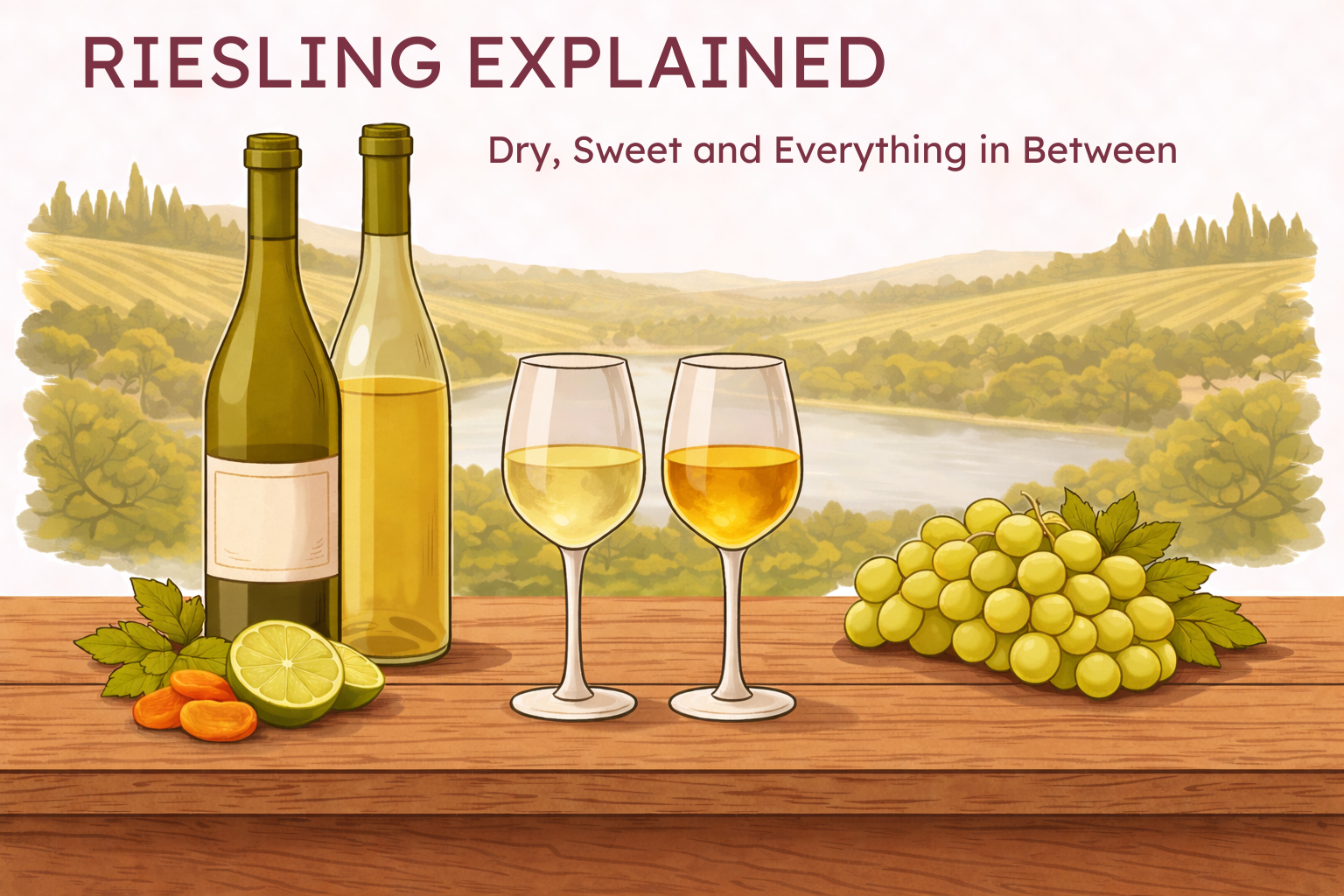
Riesling Explained: Dry, Sweet, and Everything in Between
Riesling might be the most misunderstood white wine. Some bottles are bone-dry and razor crisp. Others are gently sweet and lush with fruit. The difference isn’t random it’s intentional. This guide breaks down how Riesling can span the full sweetness spectrum, why acidity is the secret to its balance, and how to confidently choose a style you’ll actually enjoy.
Discover Your Wine Style
Take our quick quiz to uncover the wines you’ll love based on your tastes, mood, and lifestyle.
Quick & Easy
Takes less than 2 minutes
Personalized Results
Get wine recommendations that match your style
Better Choices, Every Time
Shop and explore with confidence
Not Sure Where to Start?
Essential Guides to help you build confidence with wine.
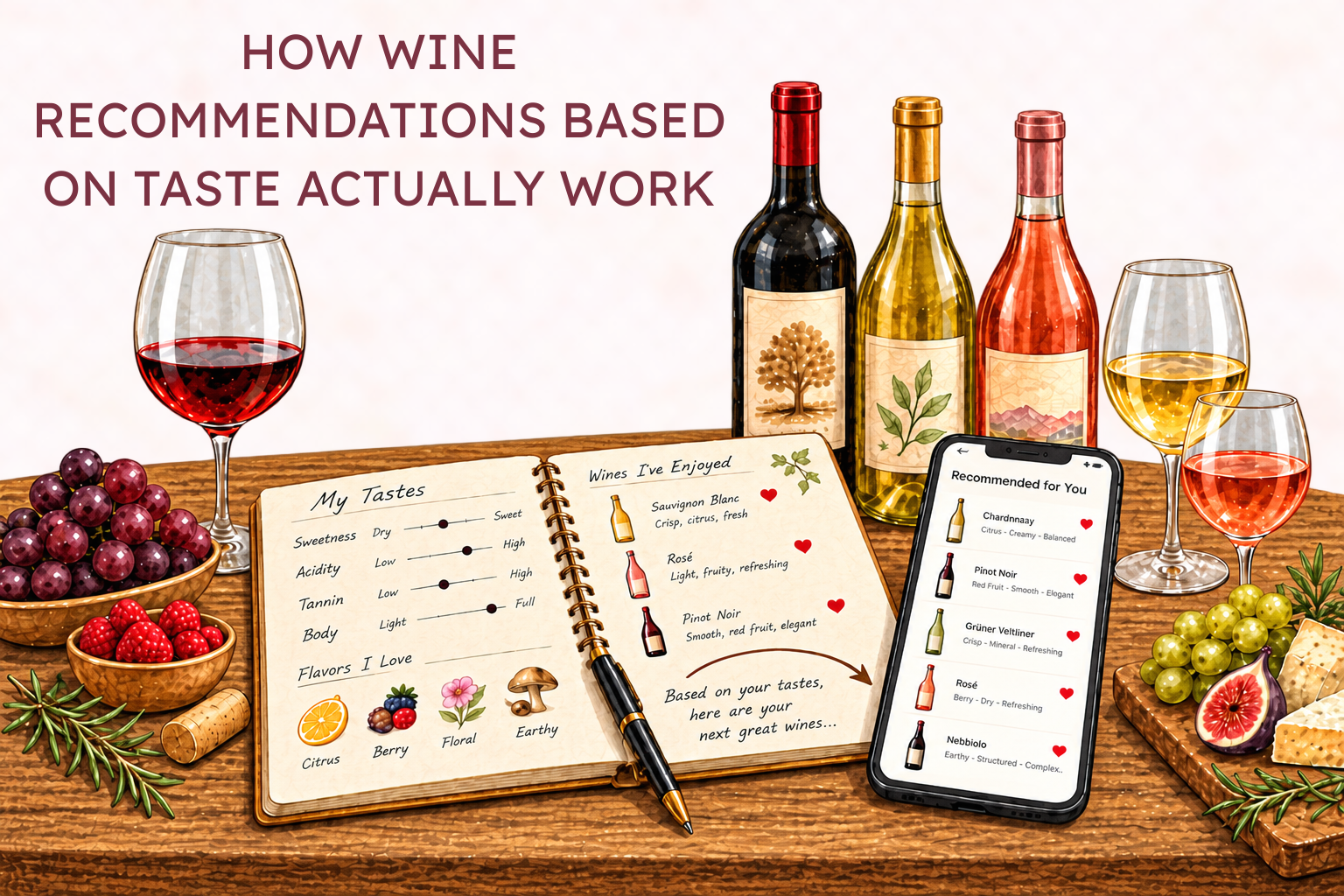
Remember the wines you actually enjoy.
Your free wine journal makes it easy to track what you love, learn from every bottle, and find your perfect pour.