
Riesling Explained: Dry, Sweet, and Everything in Between
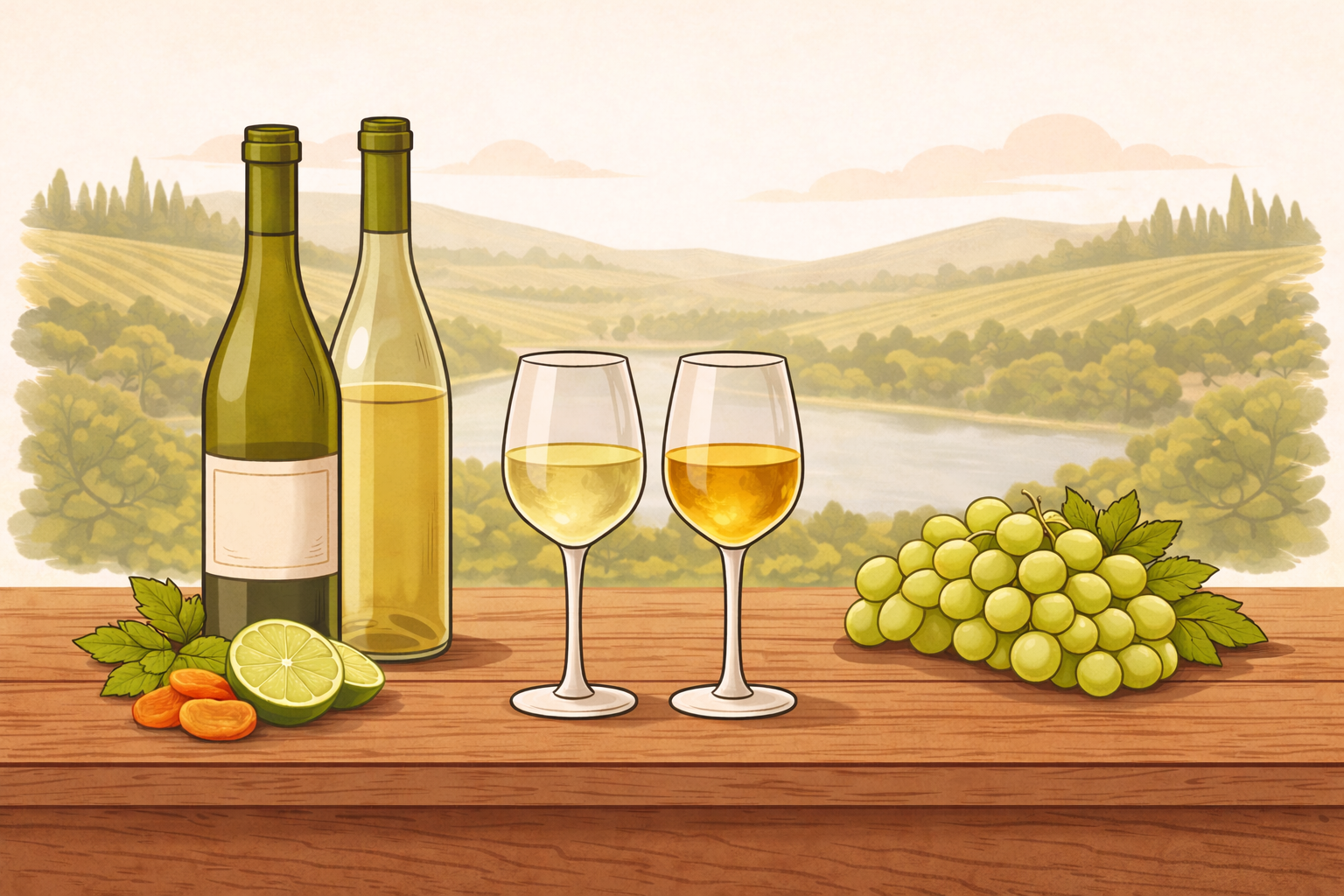
Riesling has a reputation problem. Some people hear the name and immediately think “too sweet.” Others assume it’s cheap. And a few wine nerds will quietly tell you it’s one of the greatest grapes in the world. The truth? Riesling is one of the most versatile grapes on the planet. It can be bone-dry and razor-sharp. It can be lush and honeyed. It can age for decades. And it can be one of the most refreshing wines you’ll ever drink. The key is understanding where it falls on the sweetness spectrum and why.
Why Riesling Can Taste So Different
Unlike many grapes that stick to one general style, Riesling spans almost the entire range of sweetness. If you’ve ever read our guide on Wine Sweetness Levels Explained, you already know wine can move from bone dry to fully sweet. Riesling comfortably lives across that whole range. That means one bottle might taste crisp and mineral, while another tastes like peaches in syrup and both can be completely legitimate expressions of the grape.
So what determines the style? Climate, harvest timing, and winemaking decisions. Cooler climates tend to preserve acidity and freshness. Later harvests concentrate sugar. Some winemakers ferment all the sugar to dryness. Others intentionally stop fermentation early to leave residual sweetness. Same grape. Totally different experience.
The Role of Acidity (This Is Why Riesling Works)
Here’s what makes Riesling special, even sweet Riesling usually has high acidity. If you’ve read Acidity vs Tannin vs Alcohol, you know acidity is what makes wine feel fresh, bright, and mouthwatering. It’s that subtle “lemon squeeze” sensation that keeps wine from feeling flat. Riesling naturally carries strong acidity, especially when grown in cool regions. That acidity balances sweetness beautifully. Think about lemonade. It’s sweet but it’s refreshing because of the acidity. Riesling works the same way. That’s why a slightly sweet Riesling can still feel vibrant instead of heavy.
How to Tell If a Riesling Is Dry or Sweet
This is where beginners get frustrated. Unlike some wines that clearly state “dry” or “sweet,” Riesling labels don’t always make it obvious. And depending on the country, labeling laws vary. A few general clues:
Alcohol level: Lower alcohol (around 7–9%) often signals some sweetness. Higher alcohol (11–13%) usually means drier.
Region: Many German Rieslings range from dry to sweet. Many from Alsace tend to be dry. Many from Washington State are labeled clearly but can span styles.
Tasting descriptors: Words like “off-dry,” “halbtrocken” (half dry in German) or “late harvest” suggest sweetness.
But the most reliable method? Pay attention to what you like and log it. If you enjoyed a slightly sweet Riesling once, note the alcohol level and region. Patterns start to appear quickly which is exactly how you learn to choose confidently. (If you haven’t yet, read How to Choose a Wine You’ll Like it’s built around spotting those patterns.)
What Riesling Tastes Like
While sweetness levels vary, the core flavor profile often includes:
Lime
Green apple
Peach
Apricot
Jasmine
Wet stone or mineral notes
As Riesling ages, it can develop a distinctive petrol or kerosene-like aroma. That might sound strange, but in balance, it’s complex and fascinating not unpleasant. And again, acidity is always part of the story. Even richer examples usually finish clean.
Who Should Drink Riesling?
If you like crisp white wines like Sauvignon Blanc but want something more aromatic, try a dry Riesling. If you enjoy a touch of sweetness but hate cloying wines, try an off-dry Riesling. If you’re pairing wine with spicy food? Riesling is one of the best choices you can make. The slight sweetness cools heat while acidity keeps things refreshing. Riesling isn’t a “sweet wine.” It’s a flexible wine.
The Bigger Takeaway
The mistake most beginners make isn’t disliking Riesling. It’s assuming one bottle represents the whole grape. Riesling teaches an important lesson: sweetness is a spectrum, not a category. Acidity changes everything. And style depends on choices not just the grape itself. Once you understand that, you stop guessin and start choosing intentionally.
And that’s when wine gets a lot more fun.
