
Learn Wine, One Glass at a Time
Practical, beginner friendly wine education to help you taste with confidence. From understanding labels and regions to pairing food and building your palate, we make wine approachable one guide at a time.
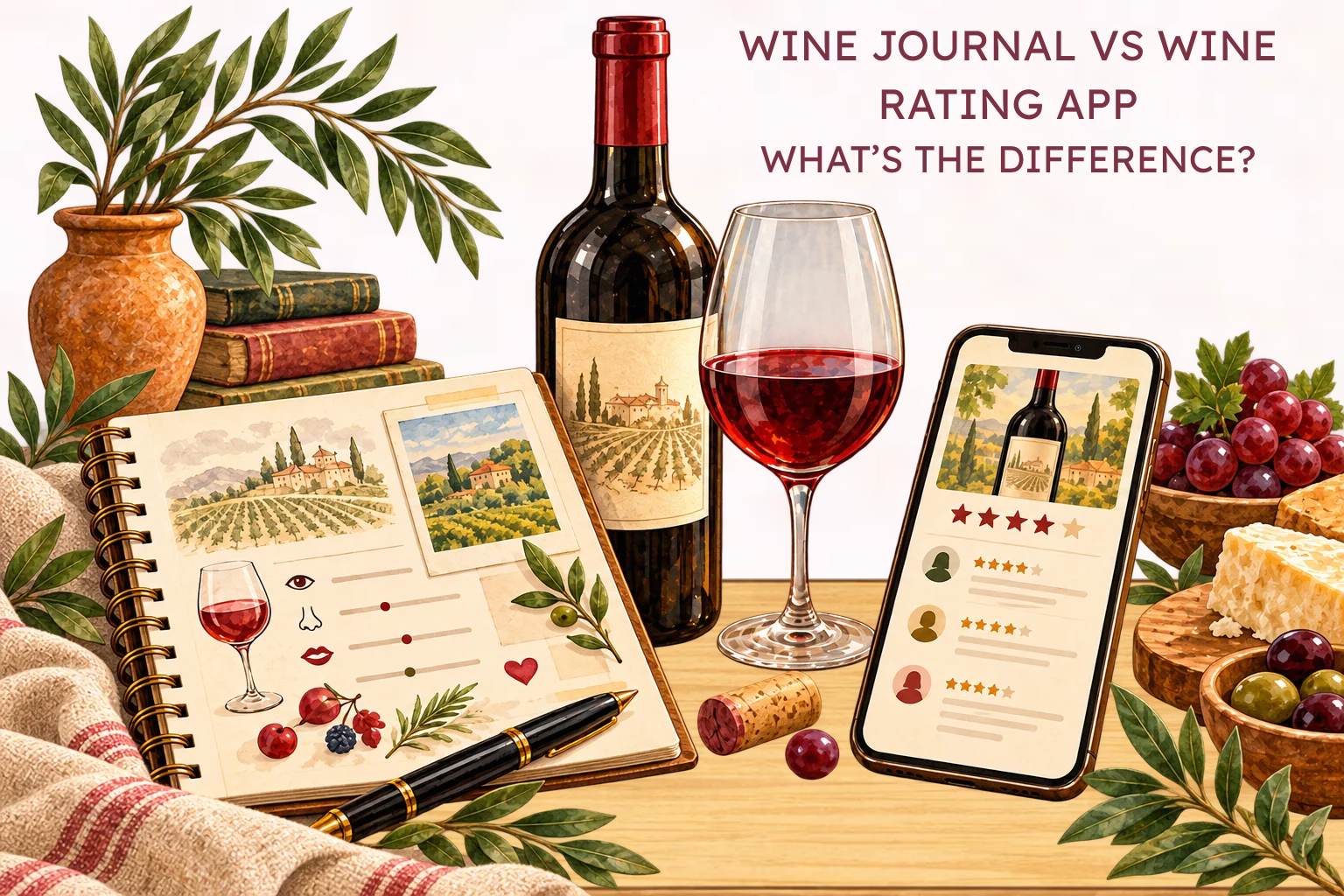
Wine Journal vs Wine Rating App: What’s the Difference?
Wine ratings can tell you what other people think about a bottle, but they cannot tell you whether it fits your taste. Learn how wine ratings and a personal wine journal serve different purposes and why remembering your own preferences can make choosing your next bottle easier.
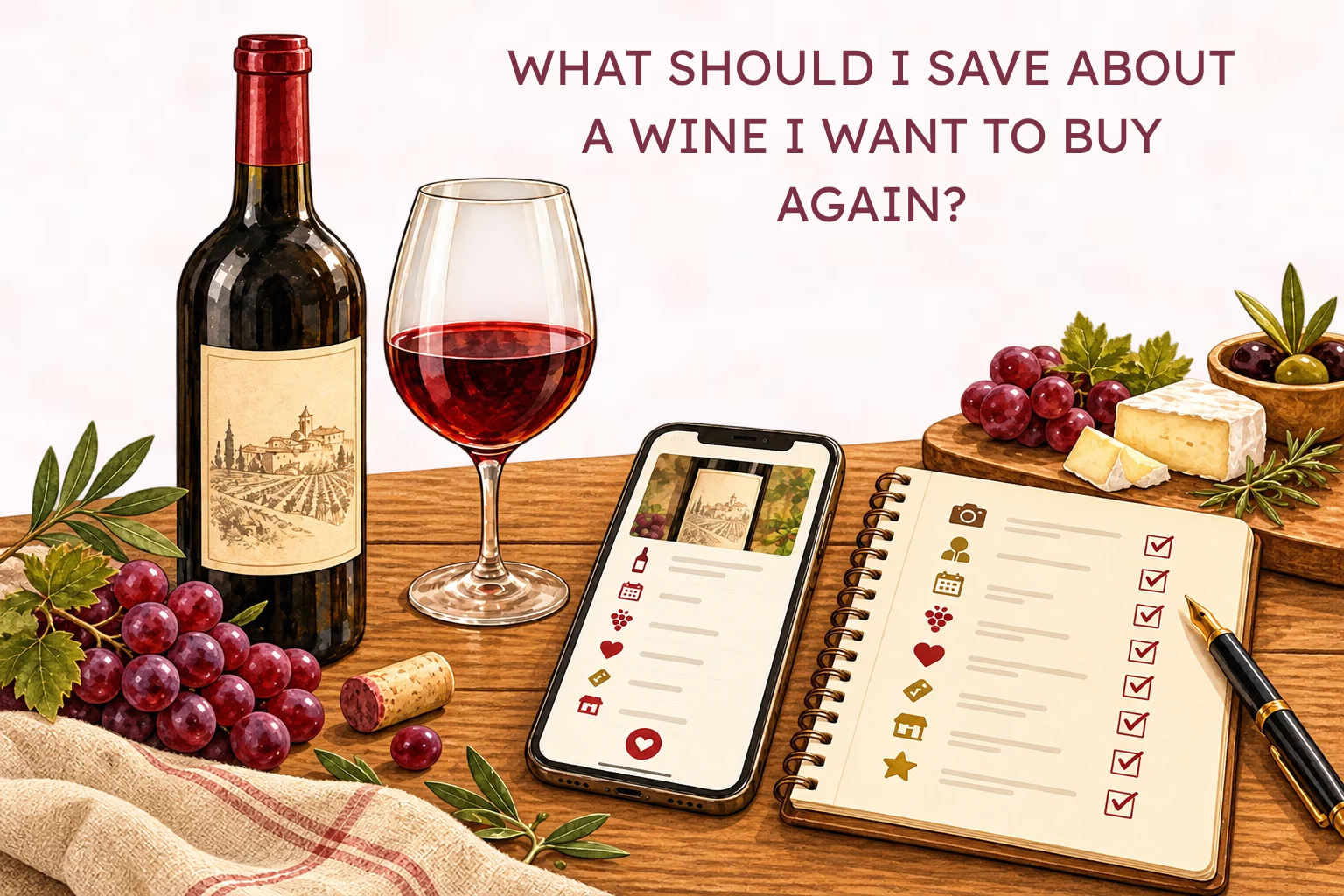
What Should I Save About a Wine I Want to Buy Again?
You do not need detailed tasting notes to remember a wine you loved. Save a few key details like the label, producer, vintage, style, price, where you bought it and whether you would buy it again.
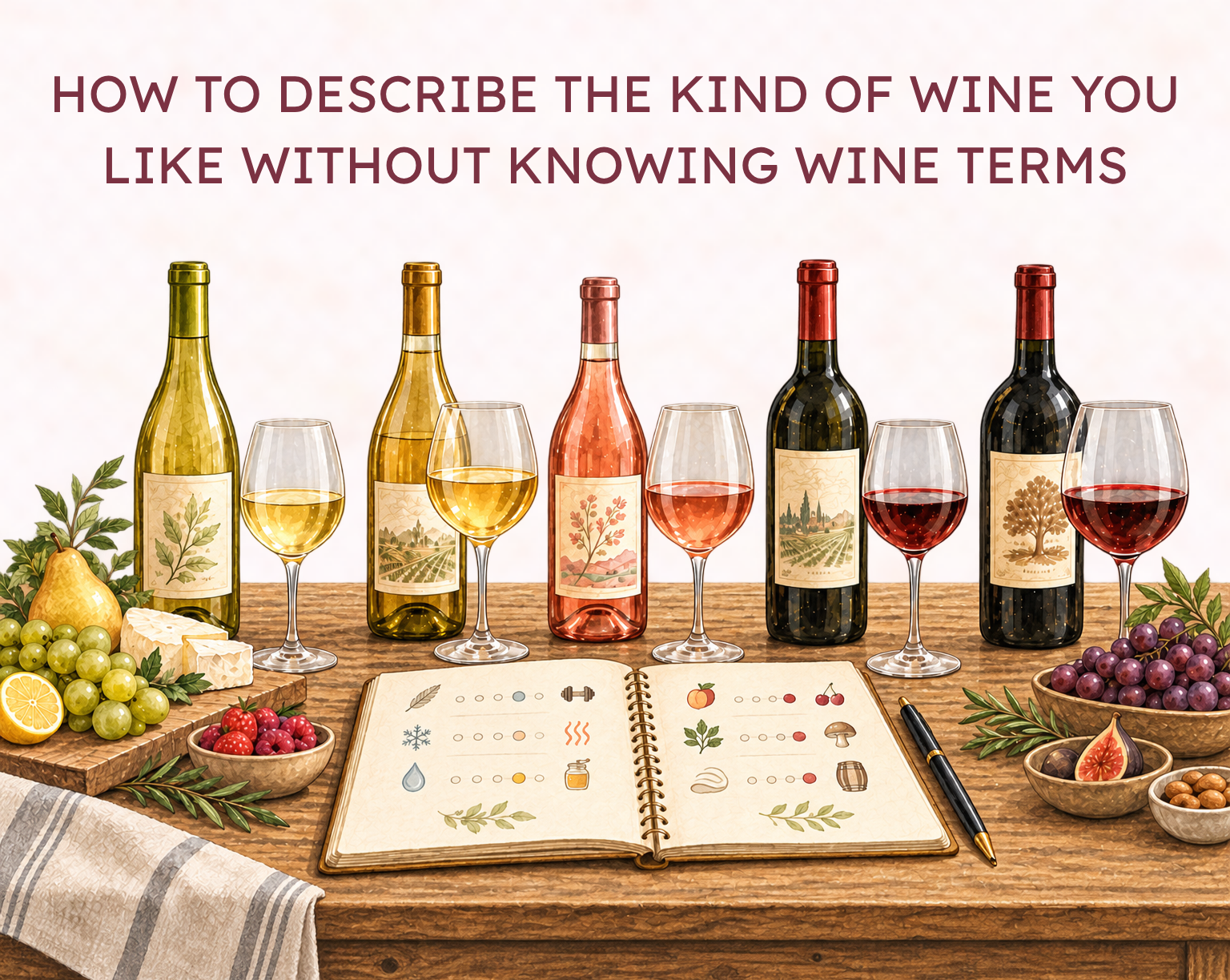
How to Describe the Kind of Wine You Like Without Knowing Wine Terms
You do not need to know wine terminology to explain what you like. Learn how simple descriptions like light, full-bodied, crisp, soft, dry, sweet, fruity, earthy, smooth and tannic can help you understand your taste and find better wine recommendations.
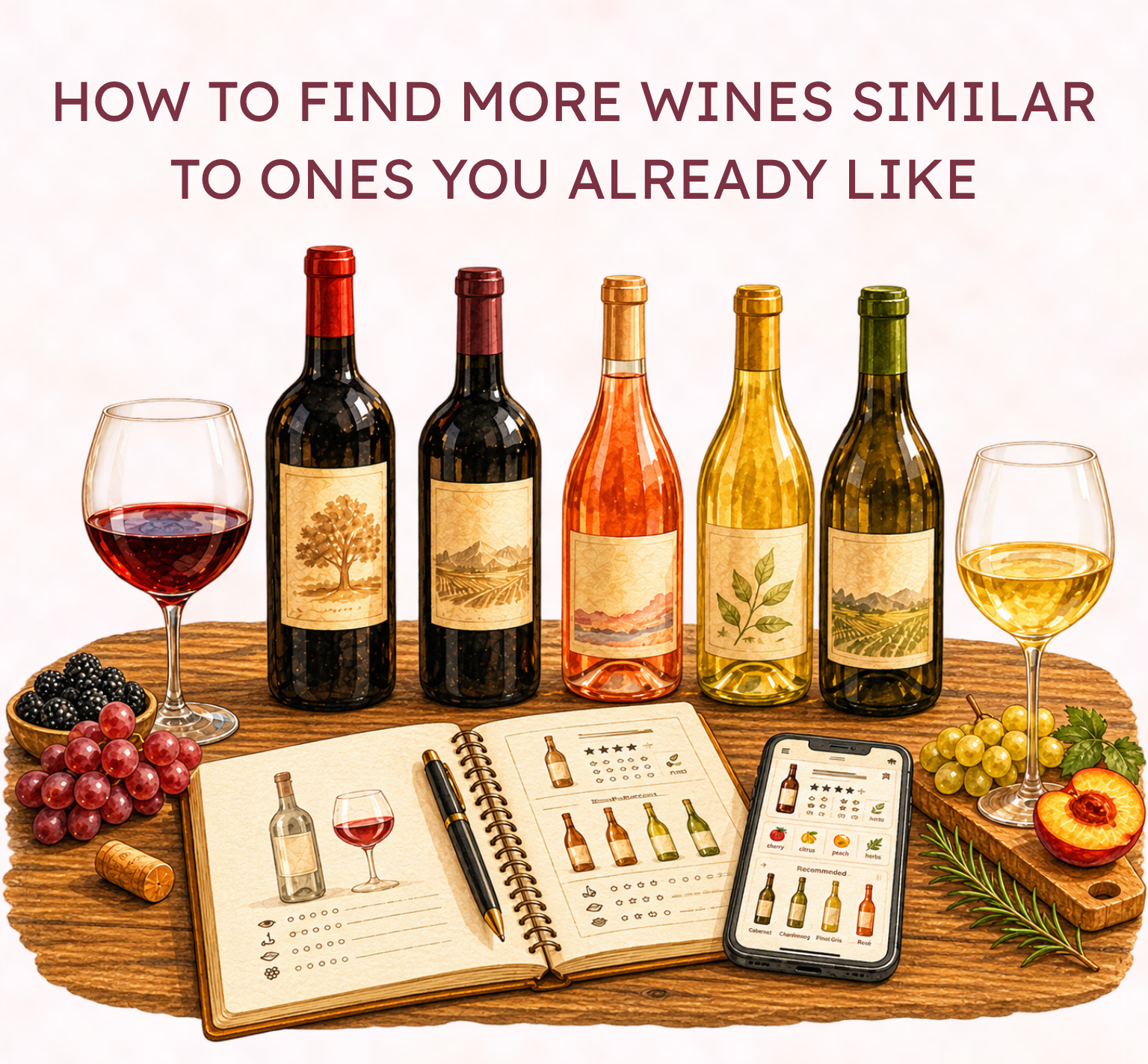
How to Find More Wines Similar to Ones You Already Like
Loved a bottle but not sure what to try next? Learn how to use body, acidity, sweetness, flavor, grape and region to find wines similar to ones you already enjoy.

How to Build a Simple Wine Rotation for Weeknights, Dinner, and Guests
A good wine rotation does not need to be complicated. Learn how to keep a few reliable bottles for weeknights, everyday dinners and guests so choosing wine becomes faster, easier and more enjoyable.

Why Some Wines Taste Better the Second Time You Try Them
A wine you dislike on the first sip may taste completely different later. Learn how oxygen, food, serving temperature and your own palate can change the experience and why repeat tastings are worth tracking.

How to Choose Wine at the Grocery Store Without Overthinking It
Choosing wine at the grocery store does not have to feel overwhelming. Learn how to narrow down your options by wine style, price, food pairing, and a few useful label clues so you can confidently pick a bottle you will actually enjoy.
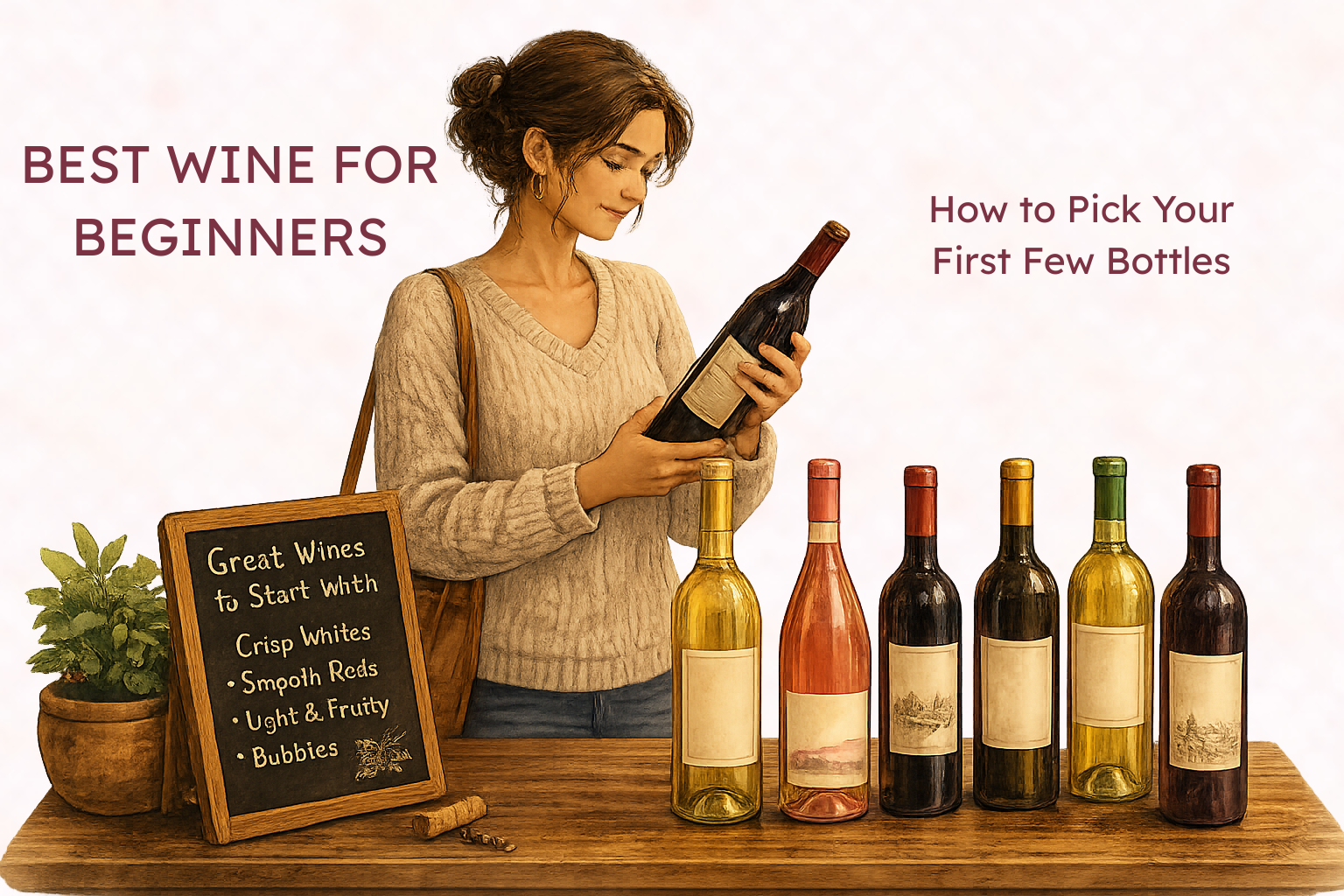
Best Wine for Beginners: How to Pick Your First Few Bottles
Not sure which wine to try first? This beginner-friendly guide explains the best red, white, sweet, and sparkling wines to start with, what each style tastes like, and how to choose bottles based on your own preferences.
Discover Your Wine Style
Take our quick quiz to uncover the wines you’ll love based on your tastes, mood, and lifestyle.
Quick & Easy
Takes less than 2 minutes
Personalized Results
Get wine recommendations that match your style
Better Choices, Every Time
Shop and explore with confidence
Not Sure Where to Start?
Essential Guides to help you build confidence with wine.
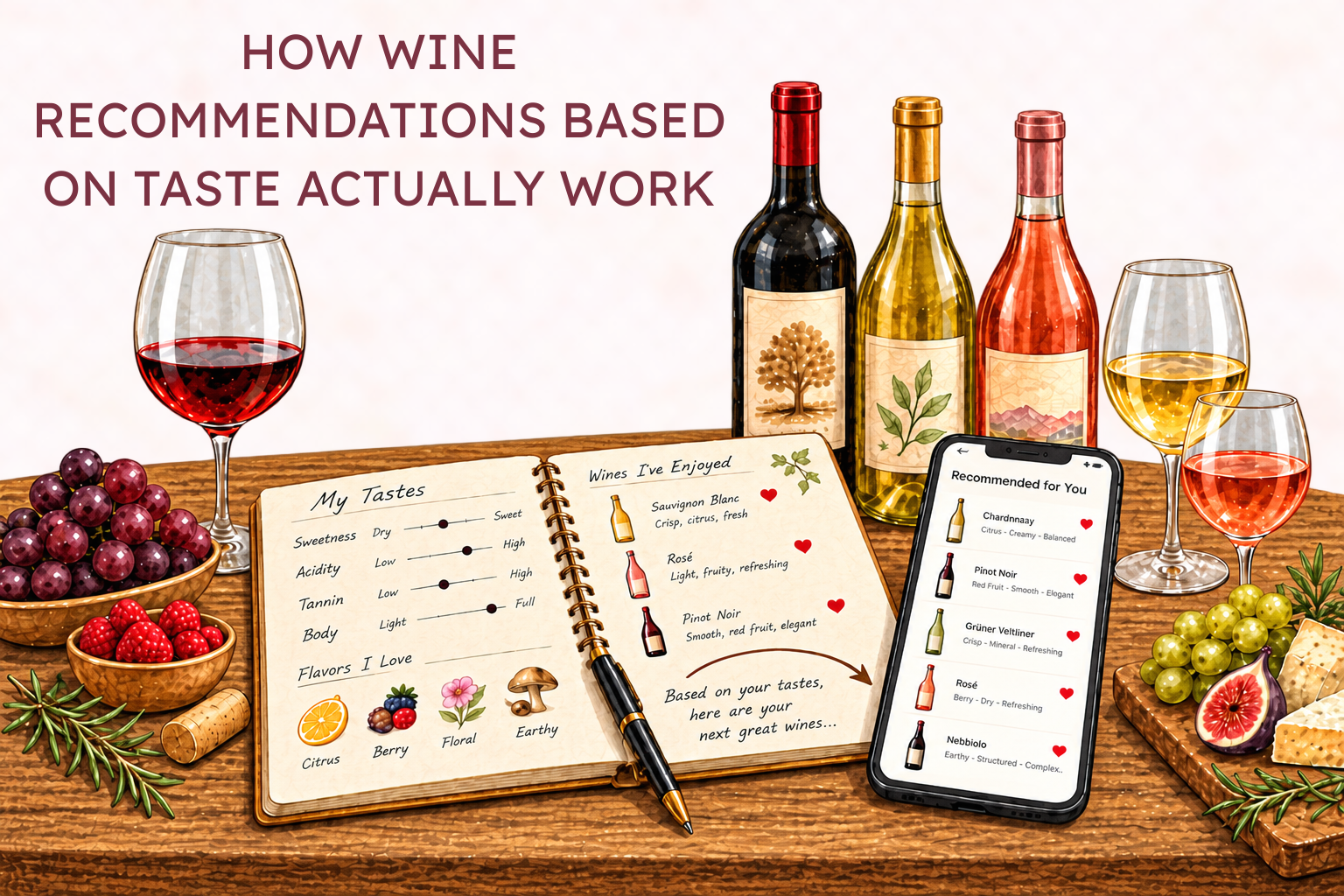
Remember the wines you actually enjoy.
Your free wine journal makes it easy to track what you love, learn from every bottle, and find your perfect pour.