
Acidity in Wine: What it feels like
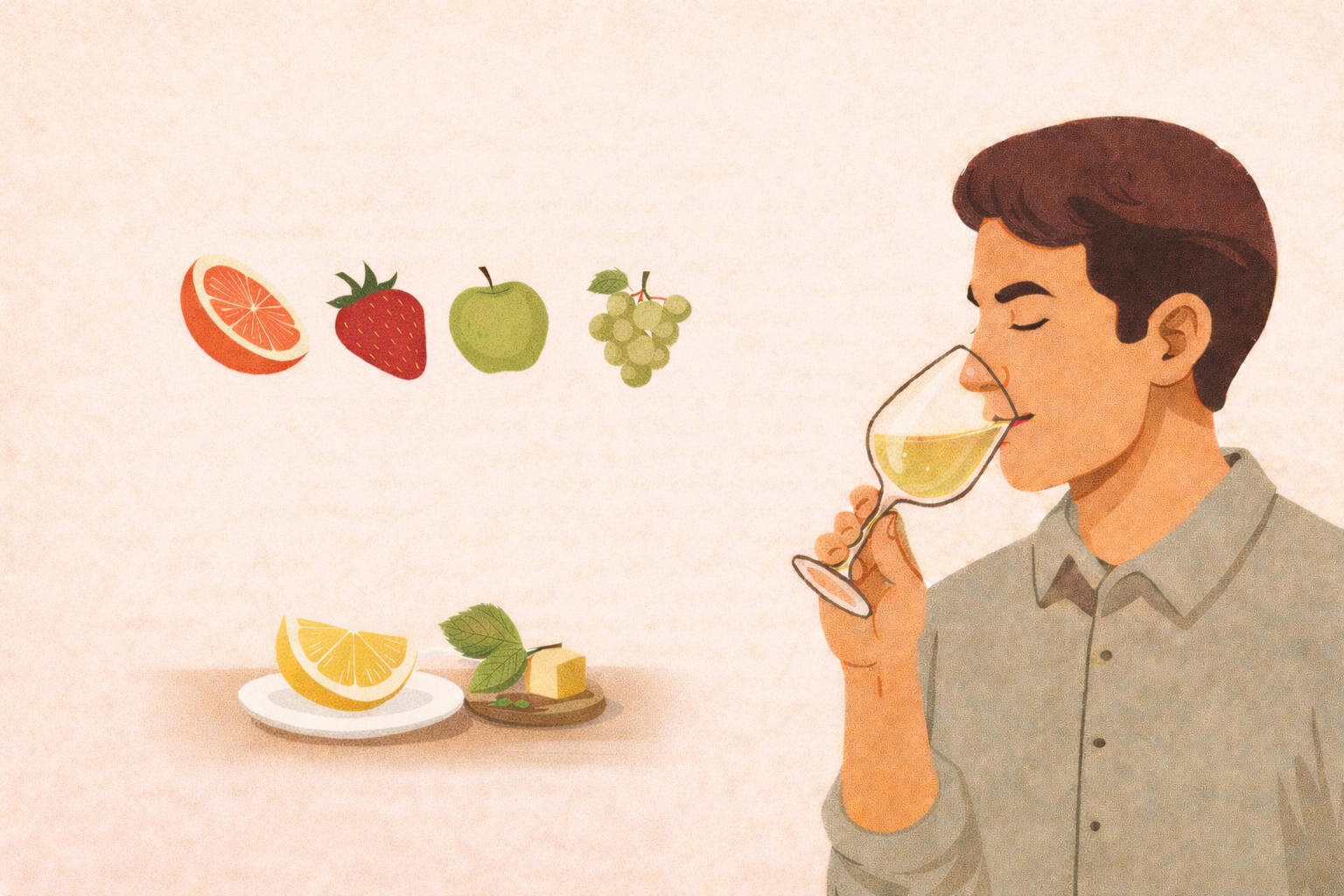
If you’ve ever taken a sip of wine and felt your mouth water instantly, you’ve already experienced acidity — even if you’ve never used the word for it. Acidity isn’t a technical detail reserved for wine classes. It’s one of the main reasons wine feels refreshing, lively, or easy to keep drinking. It’s also why some wines feel heavy or tiring after a glass, while others stay bright to the last sip. Let’s talk about what acidity actually feels like, how to recognize it, and why it matters far more than memorizing grape names or regions.
What Acidity Feels Like in Wine
Acidity shows up as freshness, not sourness. The easiest way to recognize it is the physical reaction it creates. When a wine is high in acidity, your mouth responds. You might notice:
A mouth watering sensation along the sides of your tongue.
A clean, crisp feeling after you swallow.
A sense that the wine feels light on its feet.
Think about biting into a lemon, a green apple, or a handful of fresh berries. That brightness and lift? That’s acidity. In wine, it’s usually softer and more integrated but the effect is the same. Low-acid wines, by contrast, feel rounder and softer. They don’t trigger the same salivation and they tend to linger heavier on the palate. Neither is “better.” They’re just different experiences.
Acidity vs. Sourness (They’re Not the Same Thing)
This is where a lot of confusion comes in. Acidic wine is not the same as sour wine. Sourness feels sharp, harsh, or maybe unpleasant — like something is out of balance. Acidity, when it’s working well, feels refreshing and supportive. It gives the wine structure without dominating the flavor. A wine can be high in acidity and still taste fruity, smooth, or even slightly sweet. And a wine can taste dull or flat even if it has plenty of fruit. Acidity isn’t about flavor. It’s about energy.
Why Acidity Matters More Than You Think
Acidity is one of the main things that keeps wine feeling alive over time. It affects:
Drinkability – High-acid wines are often easier to enjoy over a full glass or bottle
Balance – Acidity counteracts sweetness, alcohol, and richness
Food pairing – Acidic wines cut through fat, salt, and richness better than almost anything
This is why wines with good acidity tend to feel refreshing with food, while lower-acid wines can feel heavy or overwhelming at the table. It also explains why some wines feel tiring after one glass. Without enough acidity, the wine has nothing pulling it back into balance.
How Acidity Shows Up Differently in Wine
Not all acidity feels the same. Some wines feel bright and zippy, like citrus or green apple. Others feel tangy and juicy, closer to ripe berries. In richer wines, acidity can feel quieter more like a gentle lift that keeps the wine from feeling sluggish. You don’t need to label the exact type of acid to understand what’s happening. Just notice how the wine makes your mouth feel after each sip. If you want help training that awareness, check out our posts How to Taste Wine and How to Get Better at Wine Tasting, where you learn to practice noticing structure instead of hunting for specific flavors.
Acidity, Body, and “Smoothness”
Acidity is one reason two wines with similar flavors can feel completely different. A wine with higher acidity often feels lighter and more refreshing, even if the flavors are intense. A wine with lower acidity can feel fuller, softer, or heavier — sometimes what people describe as “smooth.” If “smooth wine” is something you gravitate toward, it’s worth understanding how acidity interacts with body and texture. That connection is explained in more depth in our posts What Smooth Wine Really Means and Wine Body Explained.
How to Start Noticing Acidity (Without Overthinking It)
Next time you drink wine, try this simple check-in: Take a sip. Swallow. Pause. Ask yourself:
Did my mouth water?
Does the wine feel refreshing or weighty?
Do I want another sip right away?
That’s acidity doing its job. You don’t need to score it or rank it. Just notice the sensation and how it changes your experience of the wine. Over time, this awareness makes choosing wines you enjoy much easier and much more intuitive.
A Final Thought
Acidity is one of the quiet forces that makes wine feel alive, balanced, and food-friendly. Once you start noticing it, a lot of other wine concepts suddenly make more sense — without needing to memorize anything new. If you ever feel unsure why a wine feels great or falls flat, acidity is often the missing piece of the puzzle. And that’s exactly the kind of thing Somm Scribe is here to help you notice.
