
Learn Wine, One Glass at a Time
Practical, beginner friendly wine education to help you taste with confidence. From understanding labels and regions to pairing food and building your palate, we make wine approachable one guide at a time.
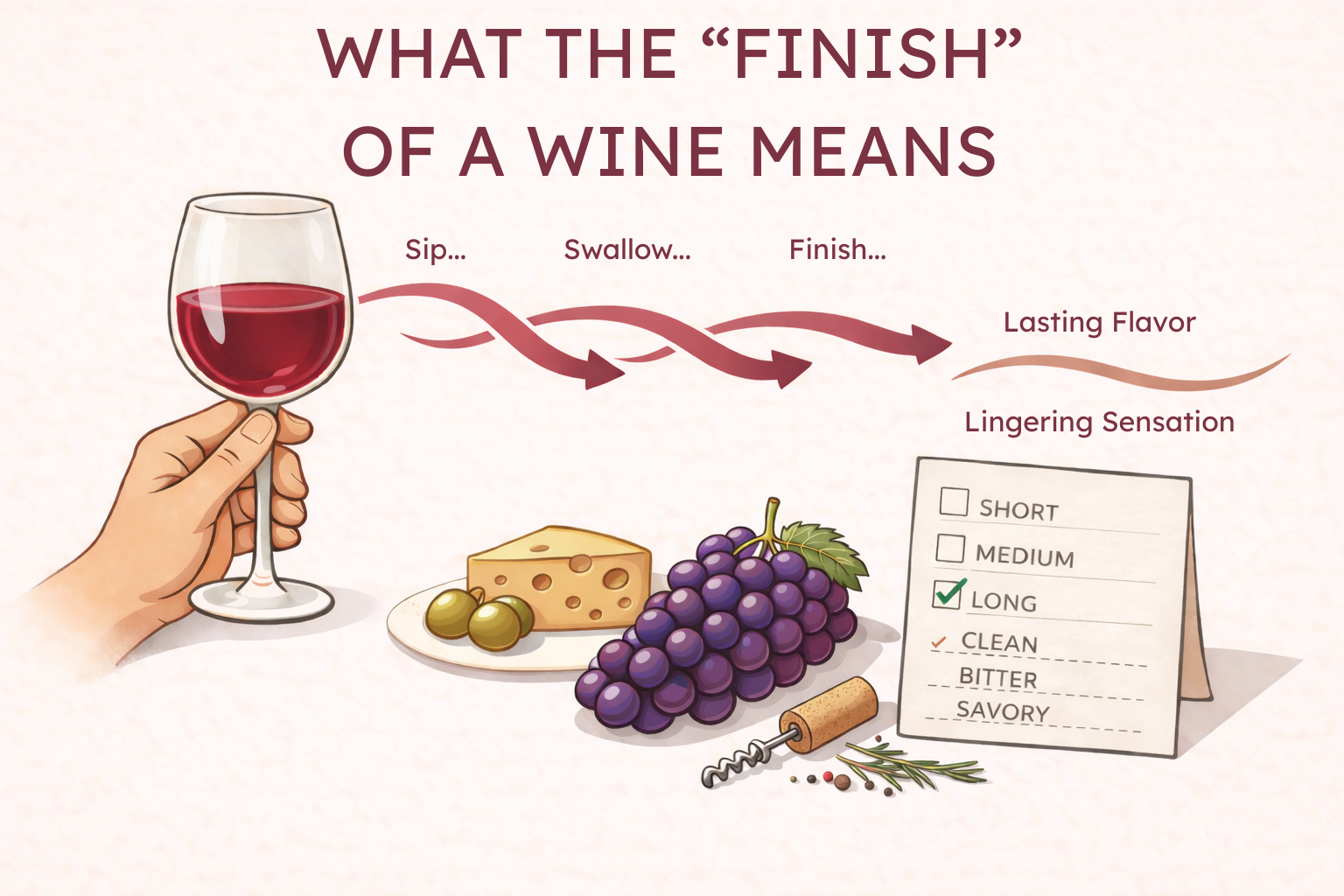
What the “Finish” of a Wine Means
The finish of a wine is what happens after the sip — the flavors, textures, and sensations that linger once the wine is gone. Some wines fade quickly. Others stay with you, changing and unfolding. Understanding finish is one of the easiest ways to tell how a wine is built and why some bottles feel more satisfying than others.
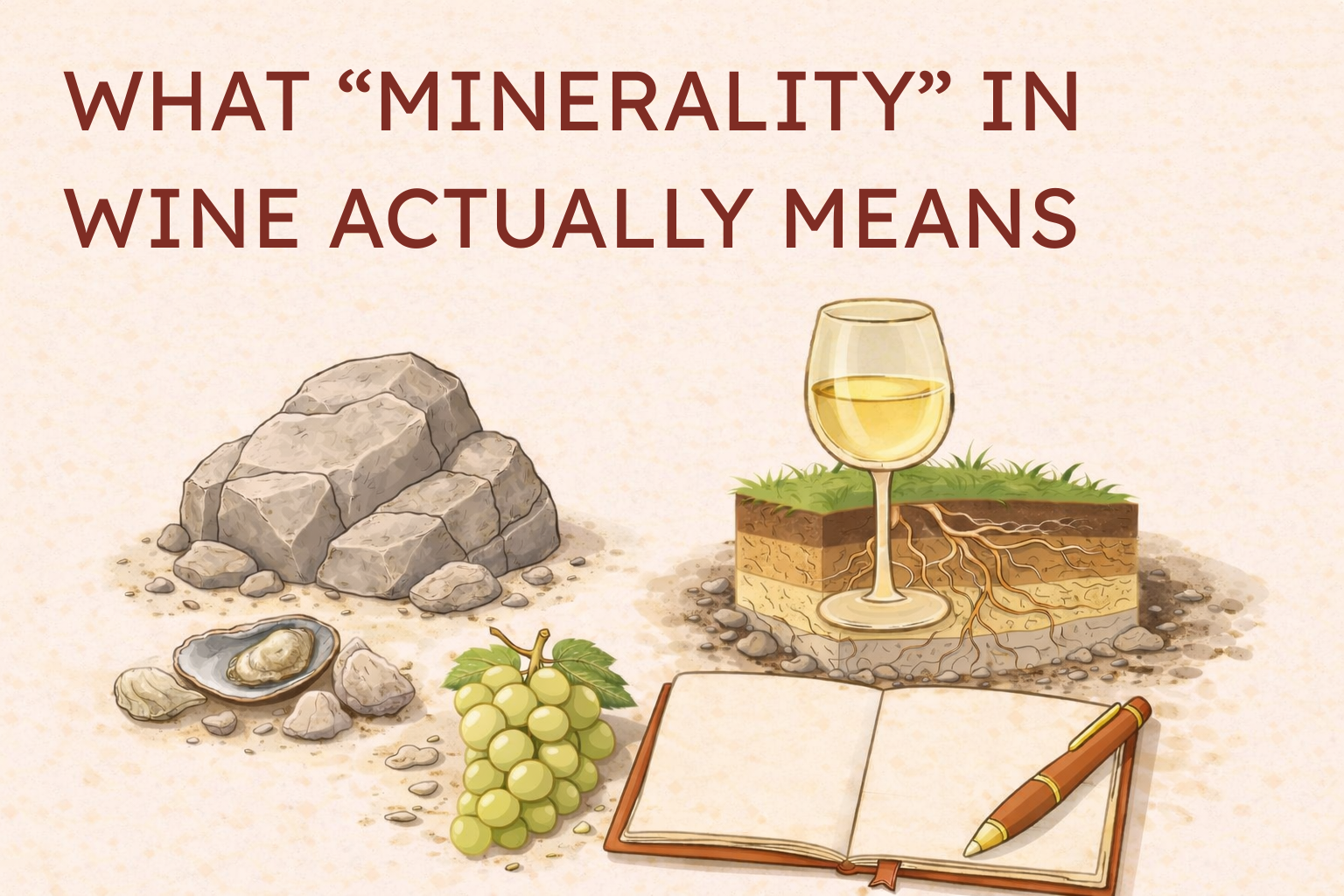
What “Minerality” in Wine Actually Means
Minerality describes wines that feel clean, savory, and refreshing rather than fruity or sweet. It shows up as stony, earthy, or subtly salty notes that create a sense of purity, restraint, and food-friendly balance on the palate.
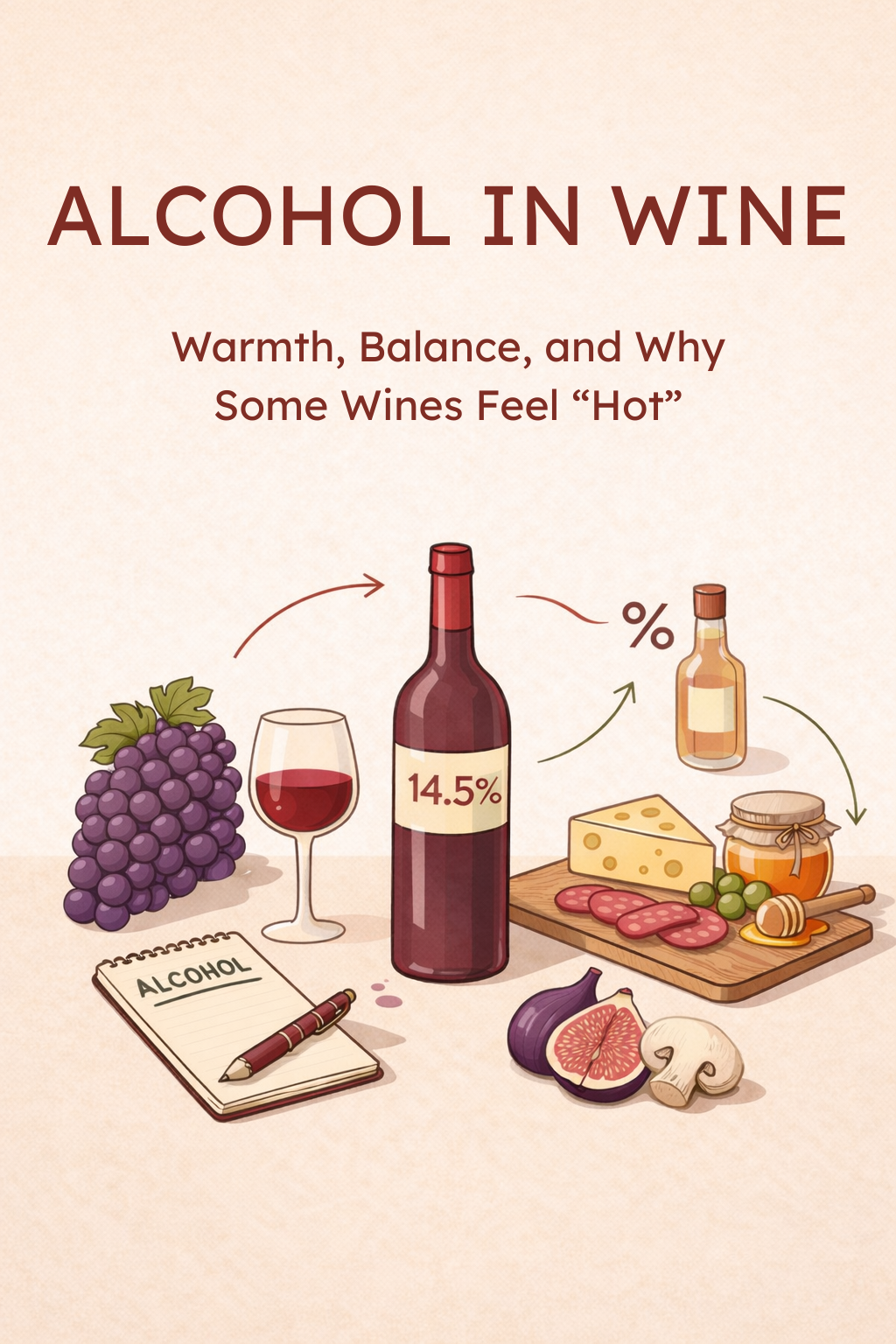
Alcohol in Wine: Warmth, Balance, and Why Some Wines Feel “Hot”
Alcohol can make a wine feel warm, smooth, or sometimes a little harsh. It’s not just about the number on the label—it’s about how alcohol fits into the wine as a whole and how it feels once you start sipping.
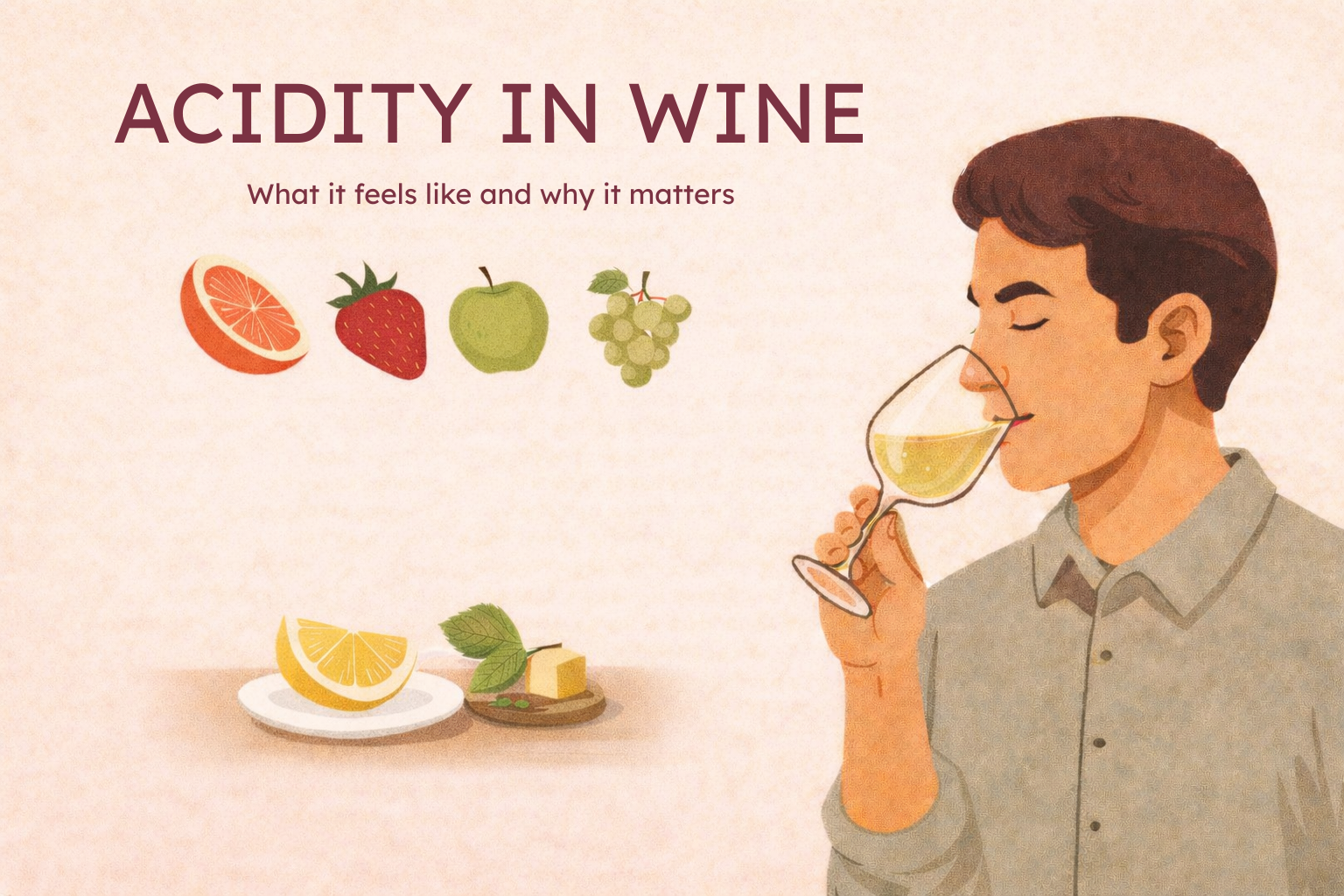
Acidity in Wine: What it feels like
Acidity is what makes wine feel fresh, lively, and mouthwatering. If a sip of wine ever made your mouth water, you’ve already experienced it. This guide explains what acidity feels like and why it matters more than memorizing grape names.
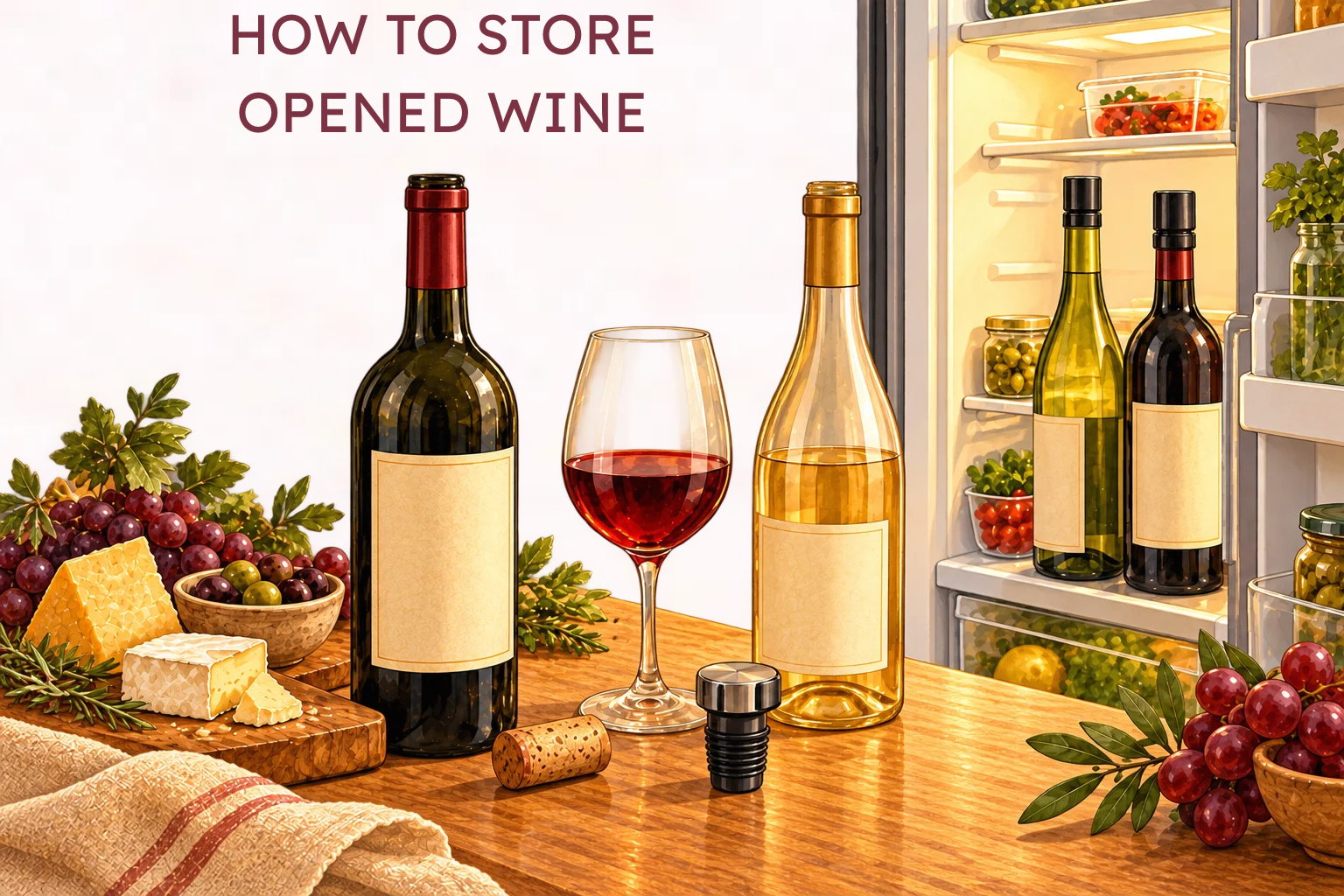
How to Store Opened Wine
Learn the best way to store opened wine, how long different wine styles stay fresh and the simple steps that can help you enjoy a bottle for several days.
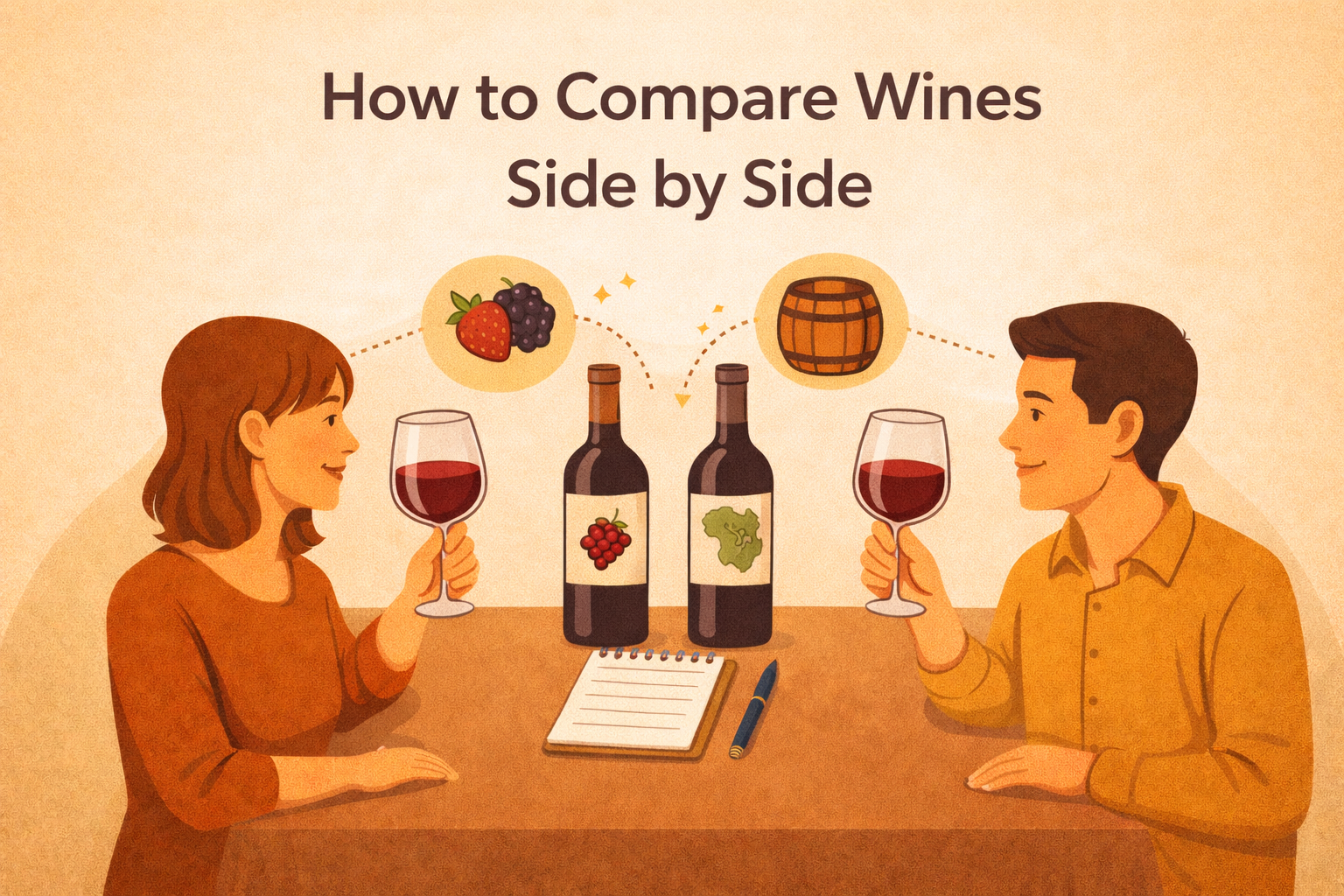
How to Compare Wines Side by Side: And Learn Faster From Each Glass
One of the reasons wine can feel confusing is that we usually experience it in isolation. You open a bottle, pour a glass, decide whether you like it, and move on. A few days or weeks later, you try another wine and hope you remember how the last one tasted. That’s a tough way to learn. Wine becomes much easier to understand when you taste it in comparison. Side-by-side tasting removes a lot of the guesswork and helps your palate notice differences that are easy to miss when you’re only drinking one wine at a time. You don’t need a formal tasting, special glassware, or expert vocabulary. You just need two wines and a little curiosity.
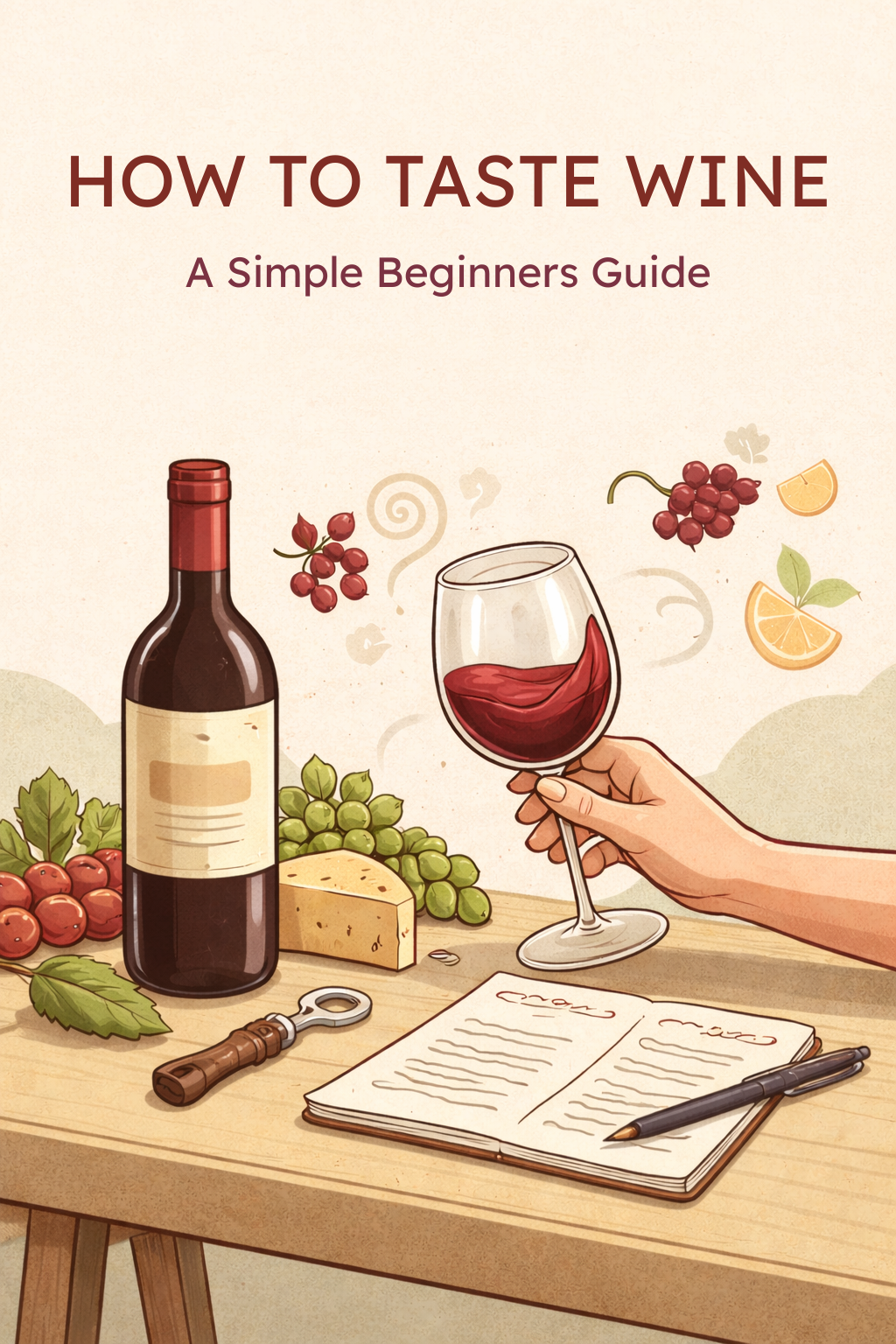
How to Taste Wine (Beginner-Friendly Step-by-Step Guide)
Wine tasting doesn’t have to be complicated. This simple 5-step guide shows you exactly how to taste wine, understand what you’re experiencing, and start building confidence with every glass—no jargon required.
Discover Your Wine Style
Take our quick quiz to uncover the wines you’ll love based on your tastes, mood, and lifestyle.
Quick & Easy
Takes less than 2 minutes
Personalized Results
Get wine recommendations that match your style
Better Choices, Every Time
Shop and explore with confidence
Not Sure Where to Start?
Essential Guides to help you build confidence with wine.
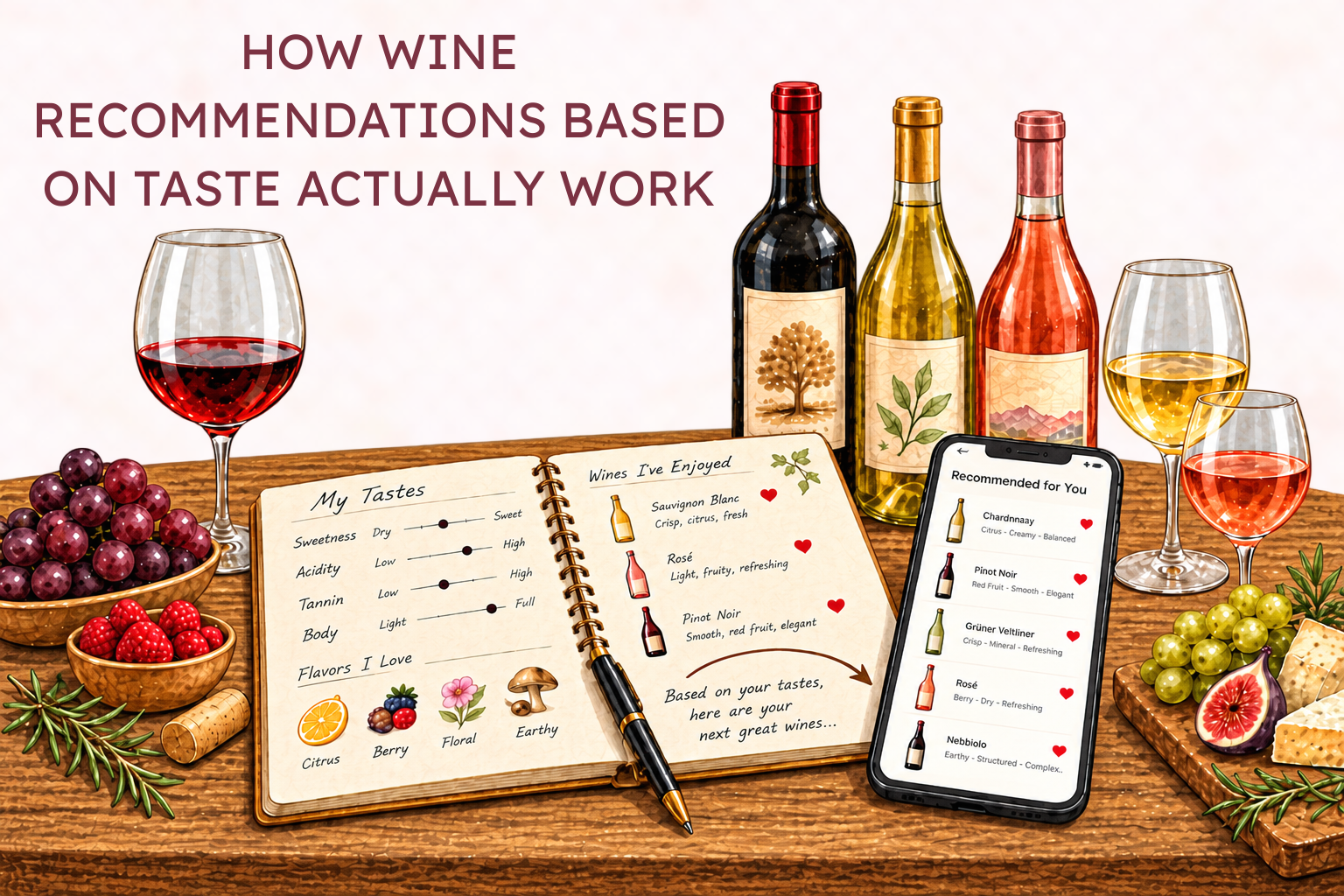
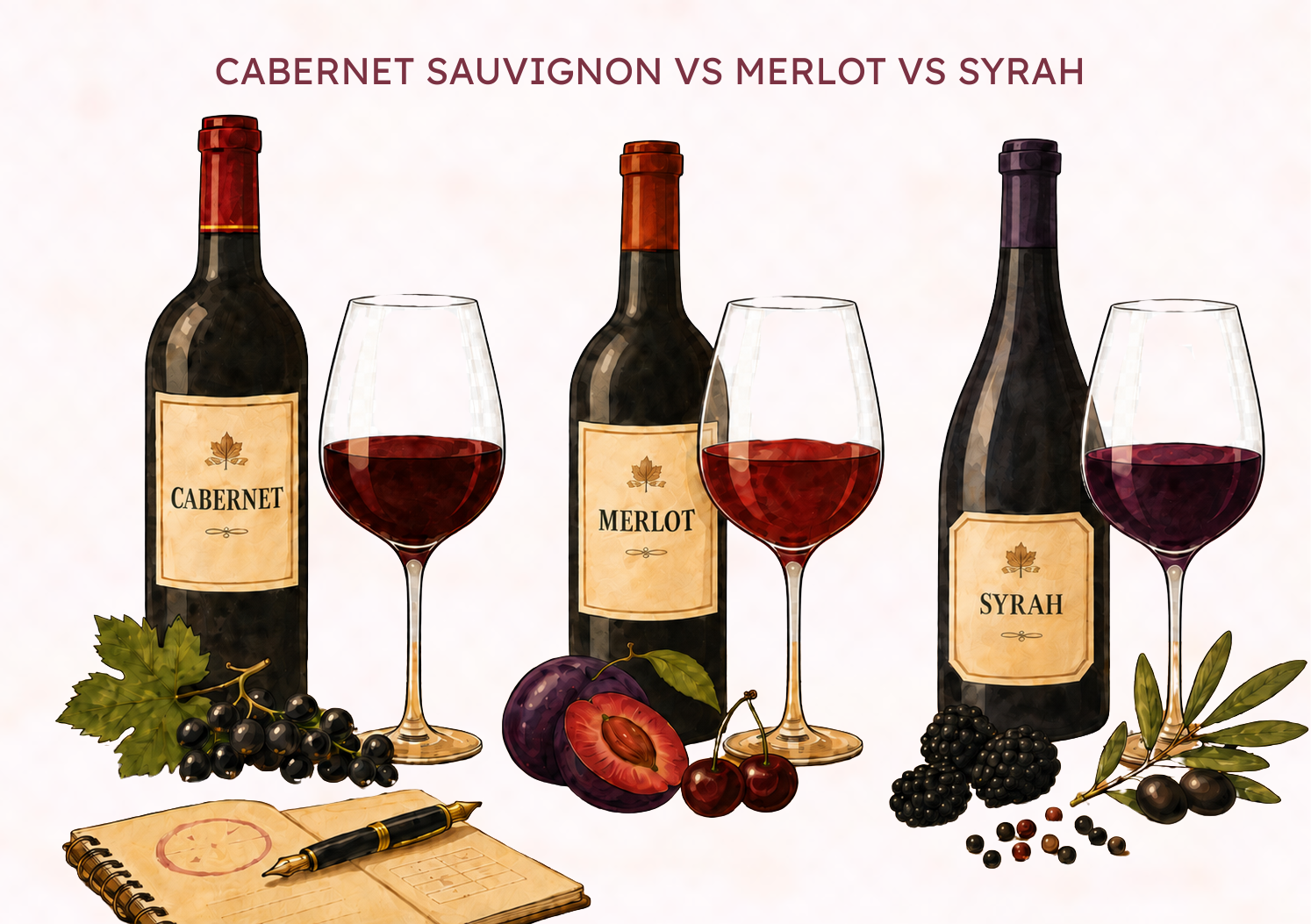
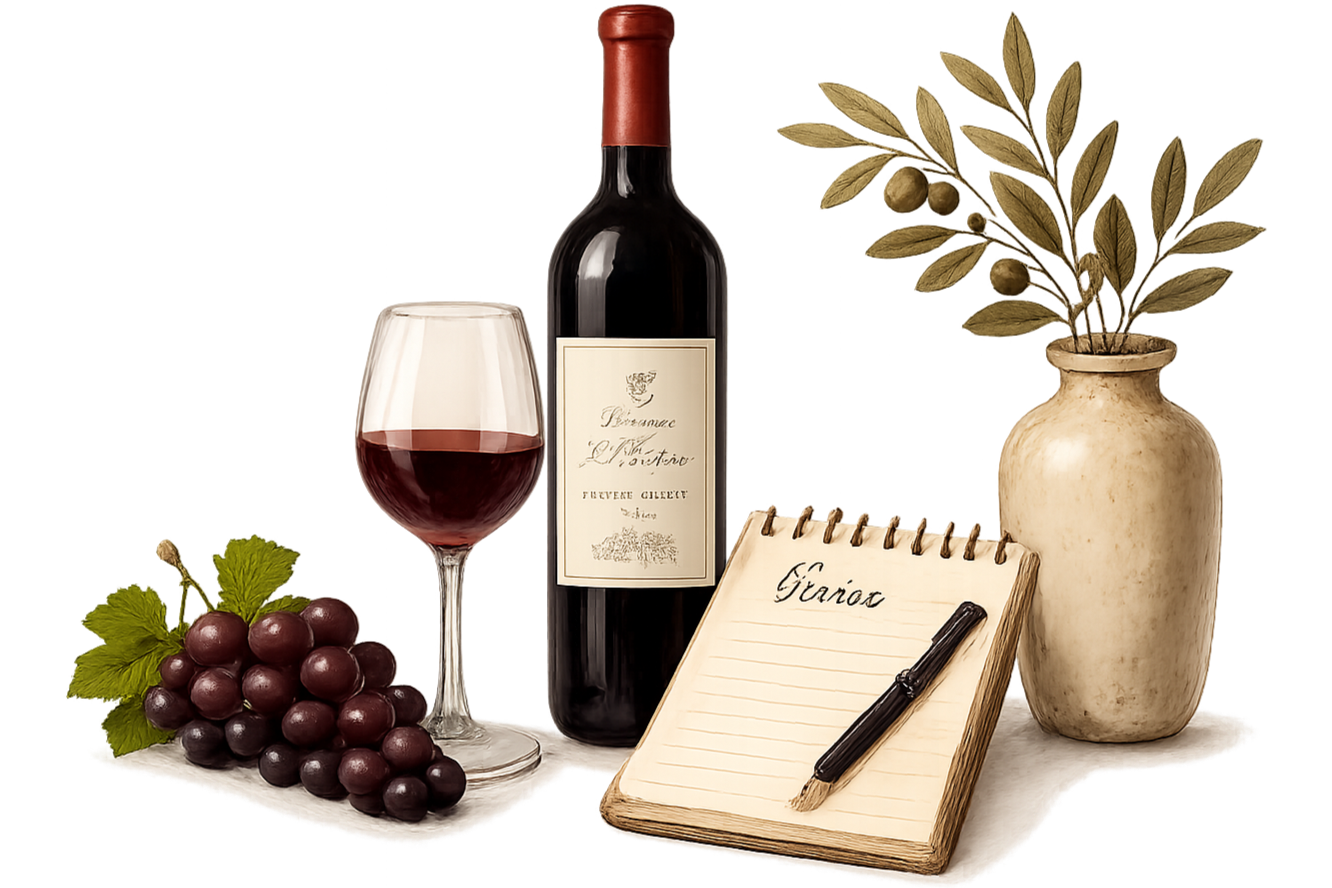
Remember the wines you actually enjoy.
Your free wine journal makes it easy to track what you love, learn from every bottle, and find your perfect pour.