
What “Minerality” in Wine Actually Means
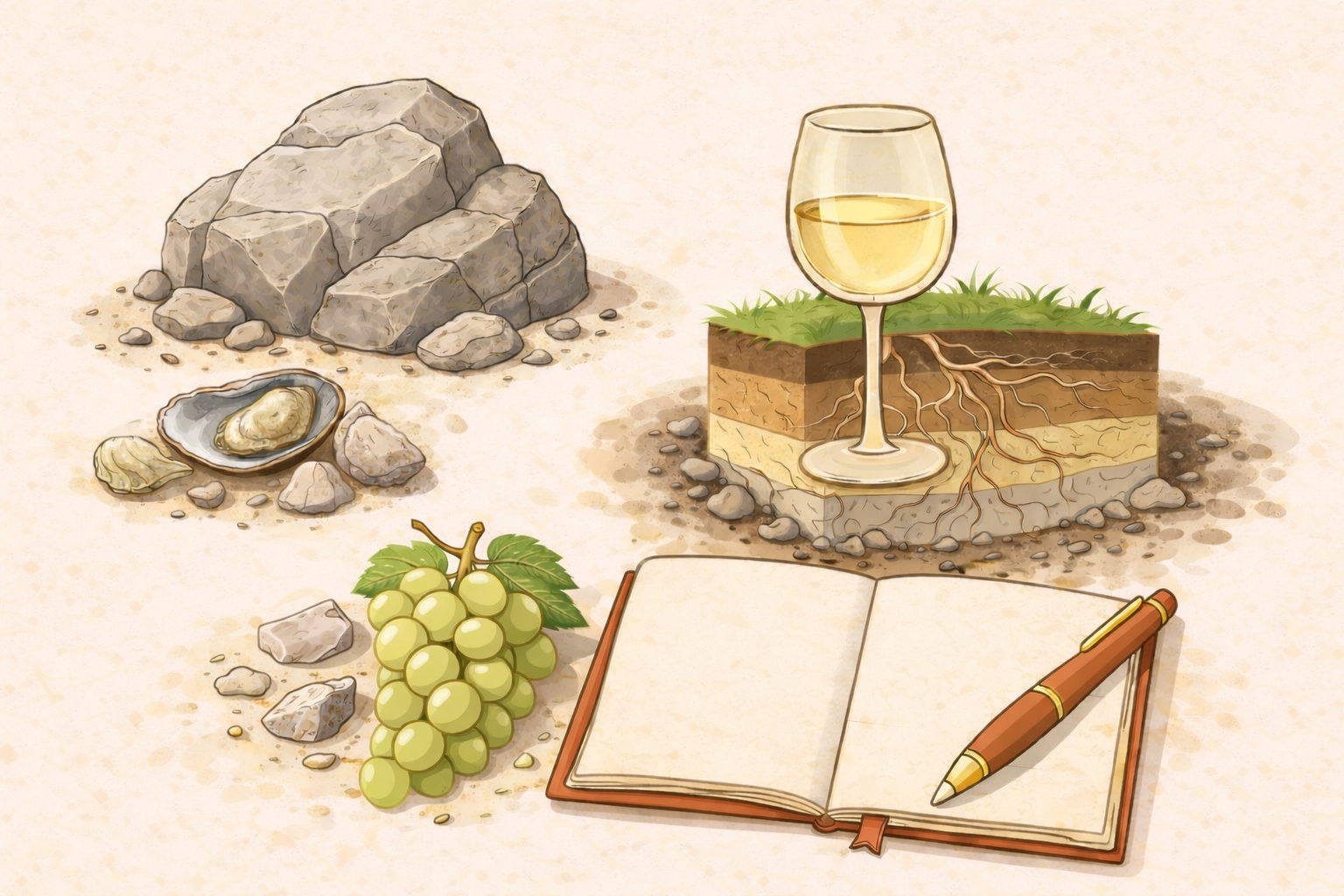
If you’ve ever taken a sip of wine and thought, this feels clean, savory, and almost salty — not fruity, not sweet, you’ve already experienced what people usually mean when they talk about minerality. Minerality isn’t a technical requirement or a badge of seriousness. It’s a way of describing wines that feel pure, restrained, and grounded, with flavors and textures that lean more toward stone, earth, and salinity than ripe fruit. It’s also one of the reasons certain wines feel incredibly refreshing with food, even when they’re not loud or expressive on their own.
What Minerality Actually Tastes and Feels Like
Minerality isn’t one specific flavor. It’s a family of sensations that tend to show up together. On the nose or palate, minerality is often described with words like:
Wet stone or crushed rock
Chalk, limestone, or slate
Flint or graphite
Oyster shell or sea spray
Petrichor — that earthy smell after rain
Those words can sound dramatic, but they’re all pointing toward the same idea: savory, non-fruity character. Texturally, mineral-driven wines often feel:
Slightly salty or savory
Clean and cool rather than round or plush
Linear and focused through the finish
Dry or powdery rather than juicy
This is where minerality separates itself from fruit expression. Instead of sweetness or ripeness carrying the wine, structure and freshness take the lead.
Minerality, Acidity, and Structure (How They Work Together)
Minerality almost always shows up alongside high natural acidity, which is why the two are so often linked. Acidity gives wine lift and energy. It’s what makes your mouth water and keeps a wine feeling alive. If that sensation is new to you, our post on Acidity in Wine it down in simple, physical terms. Minerality shapes how that acidity lands.
Instead of tasting juicy or citrusy, the wine feels tighter and more restrained. The acidity reads as steely, saline, or stony, creating a finish that feels dry, precise, and persistent rather than fruity. This combination is what gives mineral wines their sense of tension and focus — they don’t sprawl, they stay narrow and intentional.
Is Minerality Coming From the Soil?
This is where things often get oversimplified. Minerality is closely associated with place — what wine people call terroir — and it shows up most clearly in wines grown in soils like limestone, slate, volcanic rock, or chalk. Regions famous for mineral wines often share those conditions. But vines aren’t literally pulling rocks into the grapes. What’s really happening is a complex interaction between:
Soil type and drainage
Climate and ripeness
Grape variety
Acidity levels
Fermentation and winemaking choices
Lower fruit expression, higher acidity, and restrained winemaking all leave more room for savory, earthy, and saline qualities to show up. Minerality is the result of that balance — not a single cause.
Wines Commonly Described as Mineral-Driven
You’ll hear minerality most often in wines that emphasize freshness and restraint over richness. Some classic examples include:
Sauvignon Blanc from Sancerre or Pouilly-Fumé
Chardonnay from Chablis
Riesling from the Mosel or Alsace
Albariño from coastal Spain
Assyrtiko from Santorini
You’ll also occasionally hear minerality in certain Pinot Noir or Syrah, especially from rocky or volcanic sites, though it’s more subtle in reds. These wines tend to be lighter in body, higher in acidity, and less fruit-forward — which allows those savory, stony qualities to come through.
Is Minerality “Good”?
Minerality isn’t better. It’s just different. Some people love wines that feel savory, saline, and precise. Others prefer wines that feel round, smooth, and fruit-driven. Neither preference is more sophisticated — they’re just different ways of enjoying wine. If you tend to like wines that feel soft and flowing, minerality may feel austere at first. Our post on What “Smooth” Wine Really Means explores the opposite end of that spectrum and helps explain why these styles feel so different.
How to Start Recognizing Minerality
Next time you’re drinking wine, don’t ask yourself whether you taste rocks. Instead, pause after you swallow and notice:
Does the wine feel savory or slightly salty?
Does it finish dry and clean rather than fruity?
Does it feel cool, precise, or steely on the palate?
If the wine feels refreshing because of structure and salinity — not sweetness — you’re likely in minerality territory.
A Final Thought
Minerality isn’t a trick word or a secret handshake. It’s simply a way of describing wines that lean toward savory, stony, and saline qualities, supported by acidity and restraint rather than fruit and richness.
Once you recognize that sensation, wine descriptions stop feeling abstract and start feeling practical. And noticing those patterns about how wines feel and not just how they taste is exactly what Somm Scribe is here to help you build over time.
