
Alcohol in Wine: Warmth, Balance, and Why Some Wines Feel “Hot”
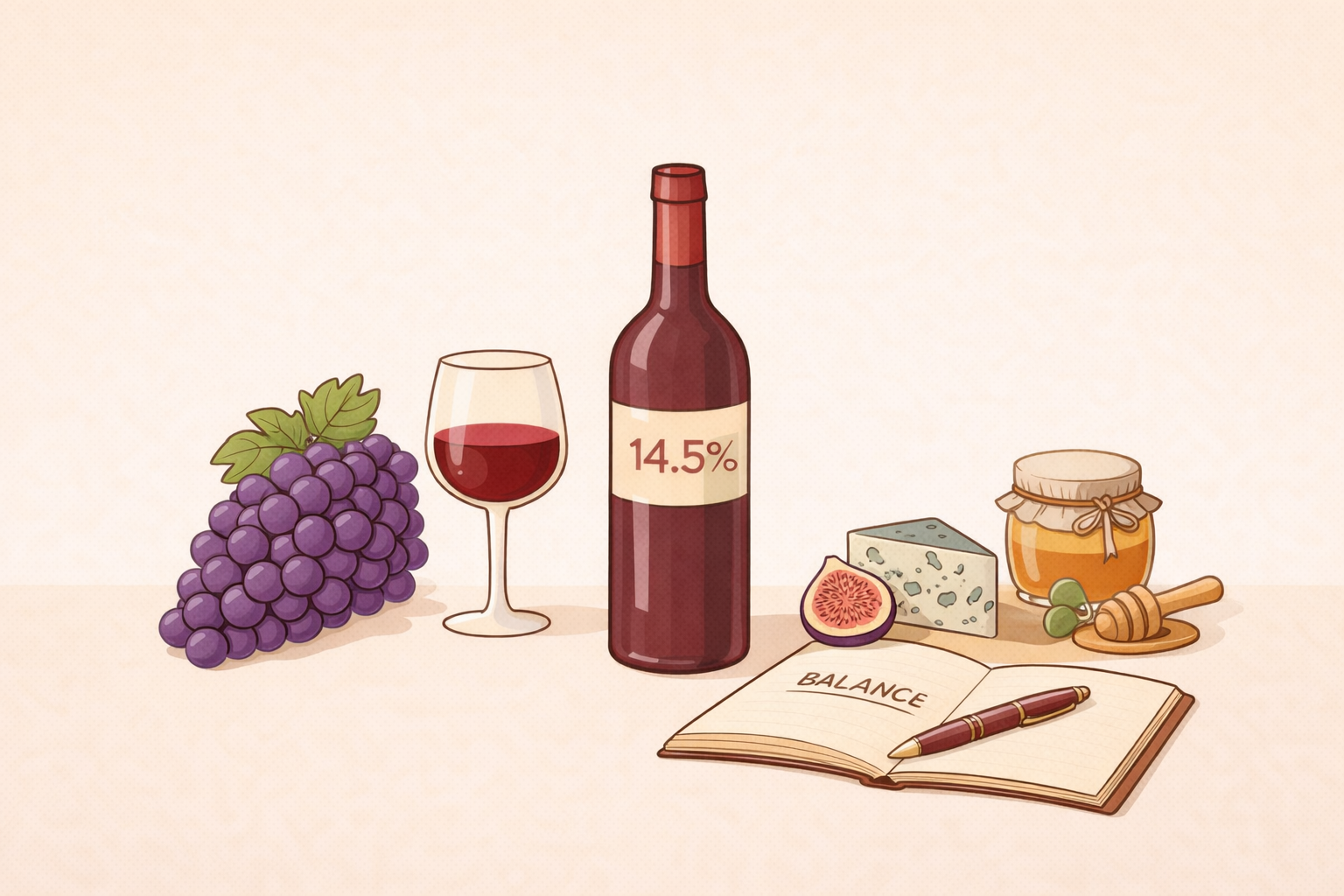
If you’ve ever taken a sip of wine and felt a noticeable burn in your chest or a heat rising in your throat, you weren’t imagining it. That sensation is alcohol showing up more loudly than the rest of the wine. Some wines feel smooth and seamless, even at higher alcohol levels. Others feel sharp, warming, or even a little harsh. The difference usually isn’t the number on the label, it’s how alcohol fits into the wine as a whole. Understanding this doesn’t require chemistry or tasting exams. It’s mostly about paying attention to how a wine behaves once it’s in your mouth.
What Alcohol Actually Does in Wine
Alcohol plays a real role in how wine tastes and feels. It isn’t just about getting buzzed. Alcohol contributes to:
Body - that fuller, weightier feeling
Warmth - a gentle heat or, sometimes, a burn
Texture - it can make wine feel rounder or softer
In balanced wines, alcohol acts like a supporting player. You feel it, but it doesn’t dominate. In less balanced wines, alcohol steps forward and grabs your attention—sometimes more than you want.
What People Mean When They Say a Wine Feels “Hot”
When someone describes a wine as hot, they’re not talking about temperature. They’re talking about sensation. A “hot” wine usually:
Feels warming or burning in the throat
Tastes sharp or slightly bitter on the finish
Lacks enough freshness or structure to counter the alcohol
This often happens when alcohol outpaces everything else, fruit, acidity, and structure aren’t keeping it in check. That’s why two wines with the same alcohol percentage can feel completely different.
Balance Matters More Than Alcohol Percentage
It’s tempting to assume higher alcohol automatically means harsher wine. That’s not really true. A 14.5% wine can feel smooth and composed if it has:
Enough acidity to keep things lively
Enough fruit concentration to absorb the alcohol
Enough structure to hold everything together
Meanwhile, a 13% wine can feel hot if it’s low in acidity or thin in flavor. If this sounds familiar, it connects closely to how people describe wines as smooth. We talk more about that feeling—and why it’s often misunderstood—in What Smooth Wine Really Means.
Climate Has a Big Say in Alcohol
Where grapes grow matters. In warmer regions, grapes ripen more fully and accumulate more sugar. More sugar eventually means more alcohol. Cooler regions tend to produce wines with lower alcohol and higher acidity. This doesn’t make one better than the other. It just changes the experience. Warmer-climate wines often feel richer and rounder while cooler-climate wines often feel fresher and lighter on their feet. If you’ve ever noticed that some wines feel cozy and plush while others feel crisp and restrained, alcohol is part of that conversation, but never the whole story.
How Food Changes the Way Alcohol Feels
Alcohol doesn’t exist in a vacuum. What you’re eating can either amplify it or calm it down. Food—especially protein, fat, and salt—can soften alcohol’s edges. That’s why a wine that feels hot on its own can suddenly feel balanced at the table. If you’re curious how dramatically food can change wine’s behavior, How Food Changes the Way Wine Tastes dives deeper into that relationship.
How to Tell If Alcohol Is Bothering You
There’s no right or wrong here, only preference. Alcohol might be standing out too much for you if:
The wine feels burning rather than warming
The finish feels sharp or fatiguing
You enjoy the first sip but not the second
On the flip side, if a wine feels cozy, integrated, and easy to keep sipping, alcohol is probably in balance—even if the number on the label says otherwise.
A Practical Takeaway
Don’t shop by alcohol percentage alone. Use it as a clue, not a verdict. Instead, pay attention to:
How the wine feels after you swallow
Whether warmth supports the flavor or overwhelms it
Whether the wine becomes more enjoyable with food
Wine doesn’t need to be “low alcohol” to be comfortable, and it doesn’t need to be powerful to be impressive. Balance is what makes alcohol disappear into the experience. That’s the kind of understanding Somm Scribe is built around—less memorizing, more noticing.
