
Wine Body Explained
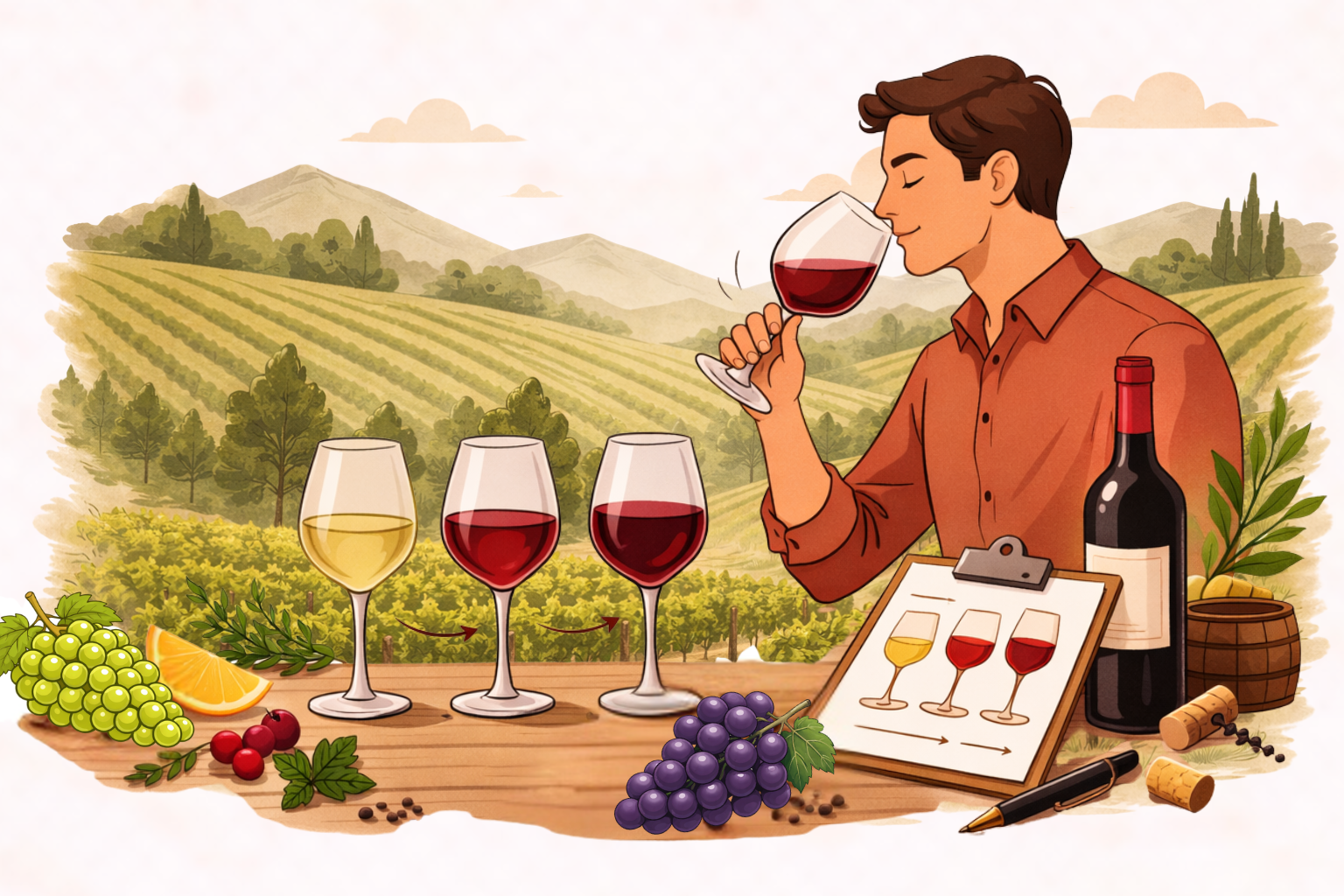
Wine body refers to how heavy, light, or full a wine feels in your mouth. It’s one of the easiest parts of wine to notice once you know what to look for and one of the most useful for choosing wines you’ll actually enjoy. Wines are usually described as:
light-bodied
medium-bodied
full-bodied
And once you understand the difference, buying wine gets much easier. If you’ve ever described a wine as thin, smooth, rich, or heavy, you were already noticing body even if you didn’t know the term.
Trying to figure out what wines you actually like? Somm Scribe helps you save tasting notes, track patterns, and remember bottles worth buying again.
Wine Body Explained
Wine body describes the weight and texture of a wine in your mouth, not the flavor. A wine can feel:
Light-bodied → lean, crisp, refreshing
Medium-bodied → balanced, smooth, moderate
Full-bodied → rich, dense, heavier
A simple way to think about it:
Skim milk = light-bodied
Whole milk = medium-bodied
Cream = full-bodied
Is Wine Body the Same as Sweetness or Flavor?
No and this is where confusion often happens. A wine can be:
Light-bodied and very flavorful
Full-bodied and completely dry
Medium-bodied and low in tannin
Body is not about sweetness. It’s not about fruitiness. It’s not about how “strong” the wine tastes. It’s about how heavy it feels. If dryness versus sweetness still feels unclear, our guide on Wine Sweetness Levels Explainedbreaks down how sweetness interacts with structure. And if you want to understand how body fits into the bigger picture, our post on Acidity vs Tannin vs Alcohol: How Wine Structure Really Works shows how all these elements connect.
What Affects Wine Body?
Several things influence how heavy or light a wine feels:
Alcohol
Higher alcohol usually makes wine feel fuller and heavier.
Grape Variety
Some grapes naturally produce lighter wines (like Pinot Noir), while others tend to feel bolder and denser (like Syrah).
Oak Aging
Oak can make wine feel rounder, creamier, and more substantial — especially in white wines like Chardonnay.
Tannins
Tannins add grip and structure, which can increase the sense of weight.
Acidity
Higher acidity often makes a wine feel lighter, brighter, and more refreshing.
Light, Medium, and Full-Bodied Wine Examples
Here are reliable reference points:
Light-bodied wines:
Pinot Noir, Gamay (Beaujolais), Albariño, Sauvignon Blanc
These feel bright, fresh, and easy-drinking.
Medium-bodied wines:
Merlot, Sangiovese, Tempranillo, Chenin Blanc
Balanced between richness and refreshment.
Full-bodied wines:
Cabernet Sauvignon, Syrah/Shiraz, Malbec, Zinfandel, Oaked Chardonnay
These feel bold, dense, powerful, or creamy.
How to Tell a Wine’s Body Before You Buy It
One of the best things about understanding wine body is that it helps you shop better. You don’t have to guess. If you already know you prefer lighter or fuller wines, body is one of the fastest ways to avoid buying bottles that disappoint you. Here are a few clues to look for:
Alcohol Percentage
As a general rule:
Lower alcohol often suggests lighter body
14.5% and above often suggests fuller body
Not always, but it’s a useful clue.
Region / Climate
Warmer climates often produce fuller wines because grapes ripen more fully. Cooler climates often produce lighter, fresher styles.
Grape Variety
Some grapes consistently lean lighter or heavier. Once you start recognizing grape patterns, choosing wine becomes much easier.
Oak Language
Words like:
barrel-aged
oak-aged
oak-fermented
…often suggest added texture and a fuller feel.
If you want to decode labels more confidently, our guide on How to Read a Wine Labelcan help you know what to look for before you buy.
If you liked learning about light, medium, and full-bodied wines, start logging bottles by body so you can spot which style you reach for most.
Why Wine Body Matters for Food Pairing
Body dramatically affects how wine interacts with food.
Light-bodied wines pair well with salads, seafood, and roasted vegetables.
Medium-bodied wines shine with pasta, poultry, and tomato-based dishes.
Full-bodied wines hold up to steak, barbecue, and rich sauces.
If the wine feels heavier than the food, it can overpower it. If it feels lighter, it can disappear. Matching body first makes pairing far simpler than memorizing complicated rules.
Related Wine Guides
If you want to understand wine body in context, these guides will help:
These all connect directly to the same skill: learning how to notice what’s in the glass and trust your own palate.
Why Tracking Wine Body Changes Everything
This is where things start getting useful. A lot of people say things like:
“I think I like smoother wines”
“I don’t love heavy reds”
“I like lighter whites”
But they never track what that actually means. When you start logging wine body consistently, patterns show up fast. You might realize:
you consistently prefer medium-bodied reds
you love fuller wines in colder months
you reach for lighter whites during the week
your favorite bottles all share a similar feel
And once that starts happening, buying wine gets dramatically easier. That moment when you can look at a bottle and think: “I know I’ll probably like this.” That’s a huge confidence shift.
FAQ: Wine Body Explained
What does full-bodied wine mean?
A full-bodied wine feels heavier, richer, and more dense in your mouth. It often has more weight, texture, and overall presence on the palate.
Is wine body the same as sweetness?
No. A wine can be full-bodied and completely dry, or light-bodied and slightly sweet. Body is about weight and texture — not sugar.
What is the difference between light-bodied and full-bodied wine?
Light-bodied wines feel leaner and more refreshing, while full-bodied wines feel richer, heavier, and more substantial.
How can I tell a wine’s body before I buy it?
Look at the grape variety, alcohol percentage, region, and whether the wine is oak-aged. These usually give helpful clues.
Why does wine body matter?
Because it helps you understand what you enjoy. It also makes it easier to choose wines, pair food, and notice patterns in your preferences.
Build your personal wine memory
Save what you drank, what you noticed, and whether you’d buy it again. Over time, Somm Scribe helps you understand your taste instead of guessing every time you shop.
