
Learn Wine, One Glass at a Time
Practical, beginner friendly wine education to help you taste with confidence. From understanding labels and regions to pairing food and building your palate, we make wine approachable one guide at a time.
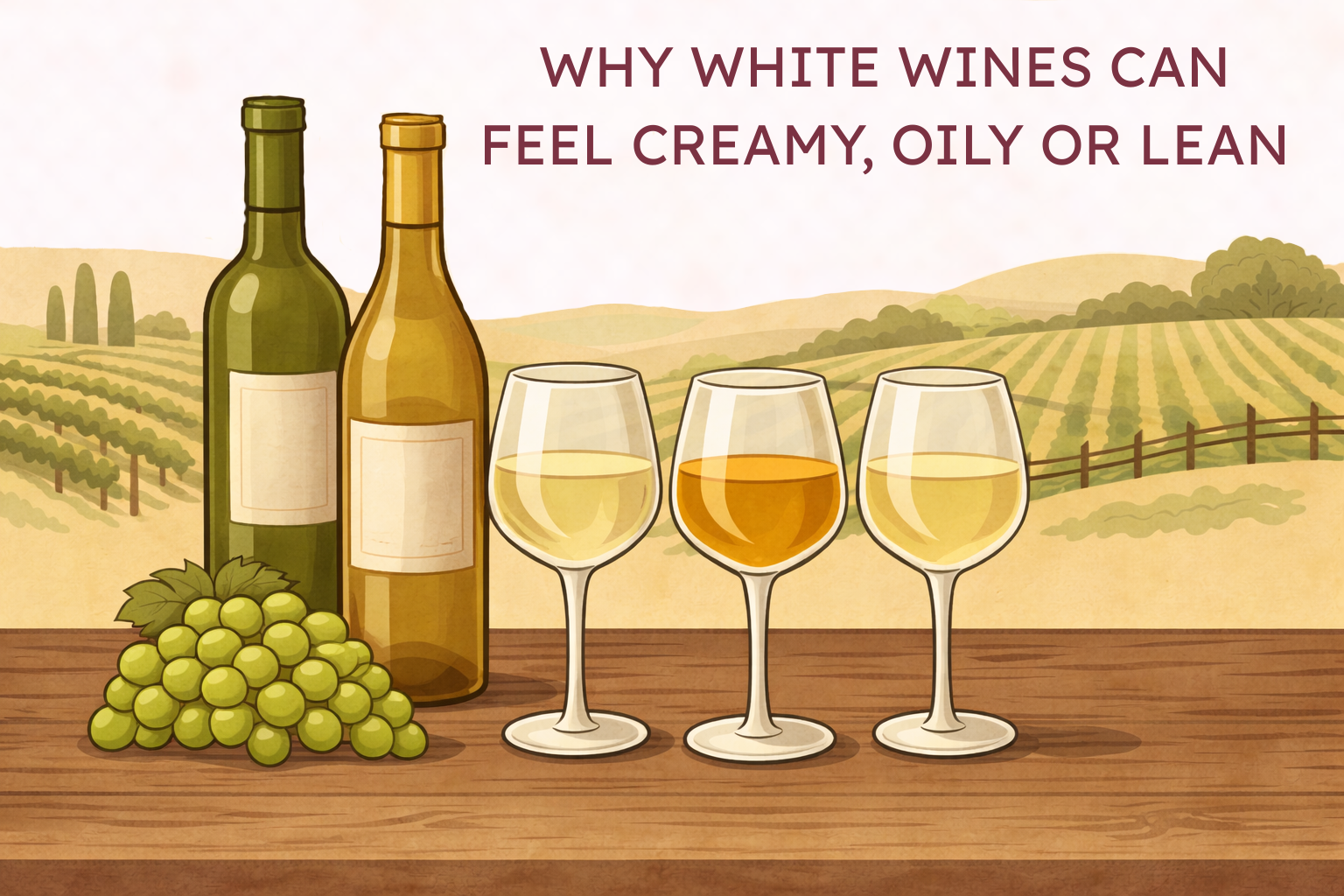
Why White Wines Can Feel Creamy, Oily, or Lean
Why do some white wines feel creamy and smooth while others taste lean and crisp? This guide explains what creates oily, rounded, or refreshing textures in white wine — from acidity and oak aging to winemaking choices — so you can confidently choose the style you’ll love.
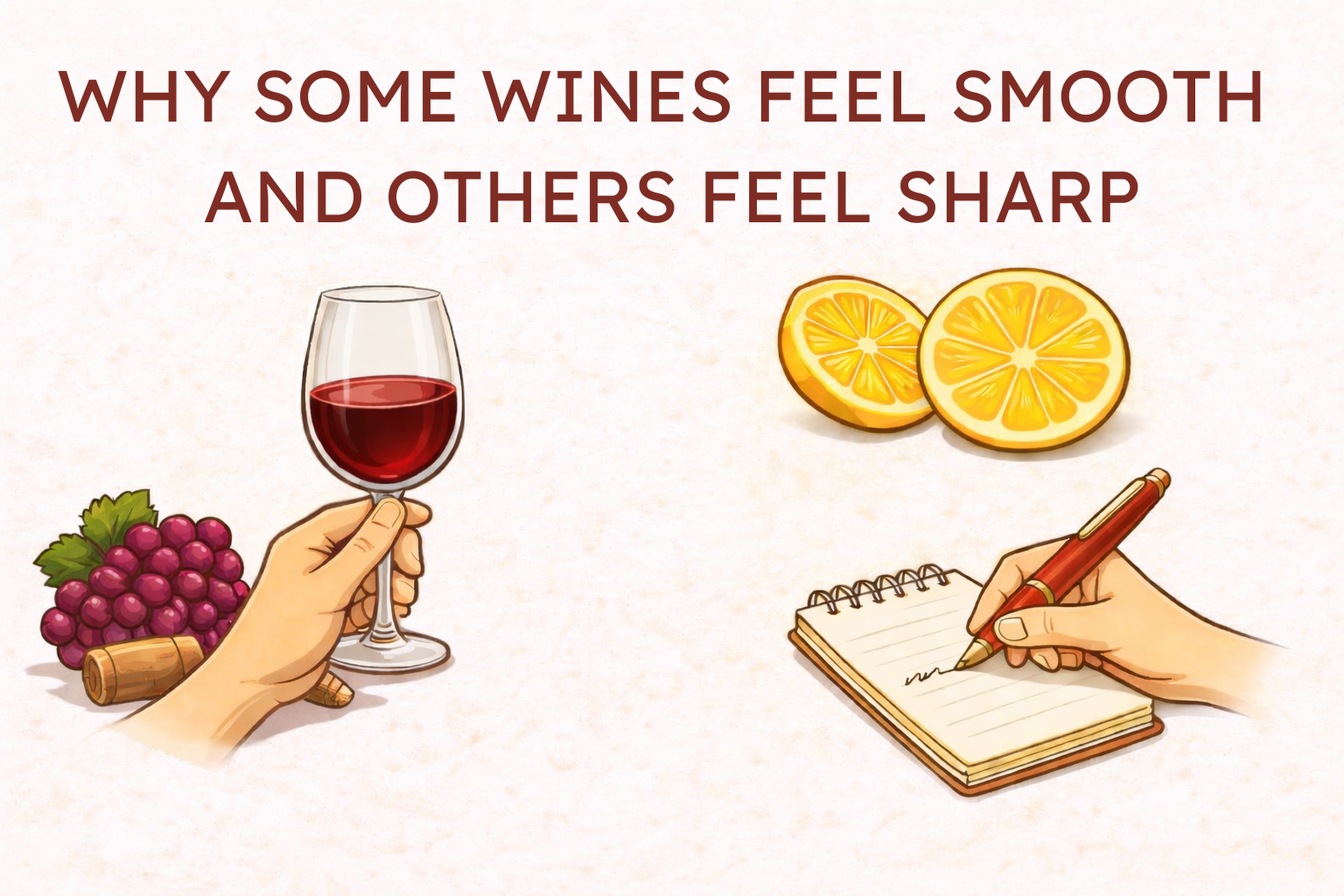
Why Some Wines Feel Smooth and Others Feel Sharp
Why do some wines feel smooth while others feel sharp? Learn how acidity, tannin, alcohol, and oak shape texture and how to quickly tell what you’re actually tasting.
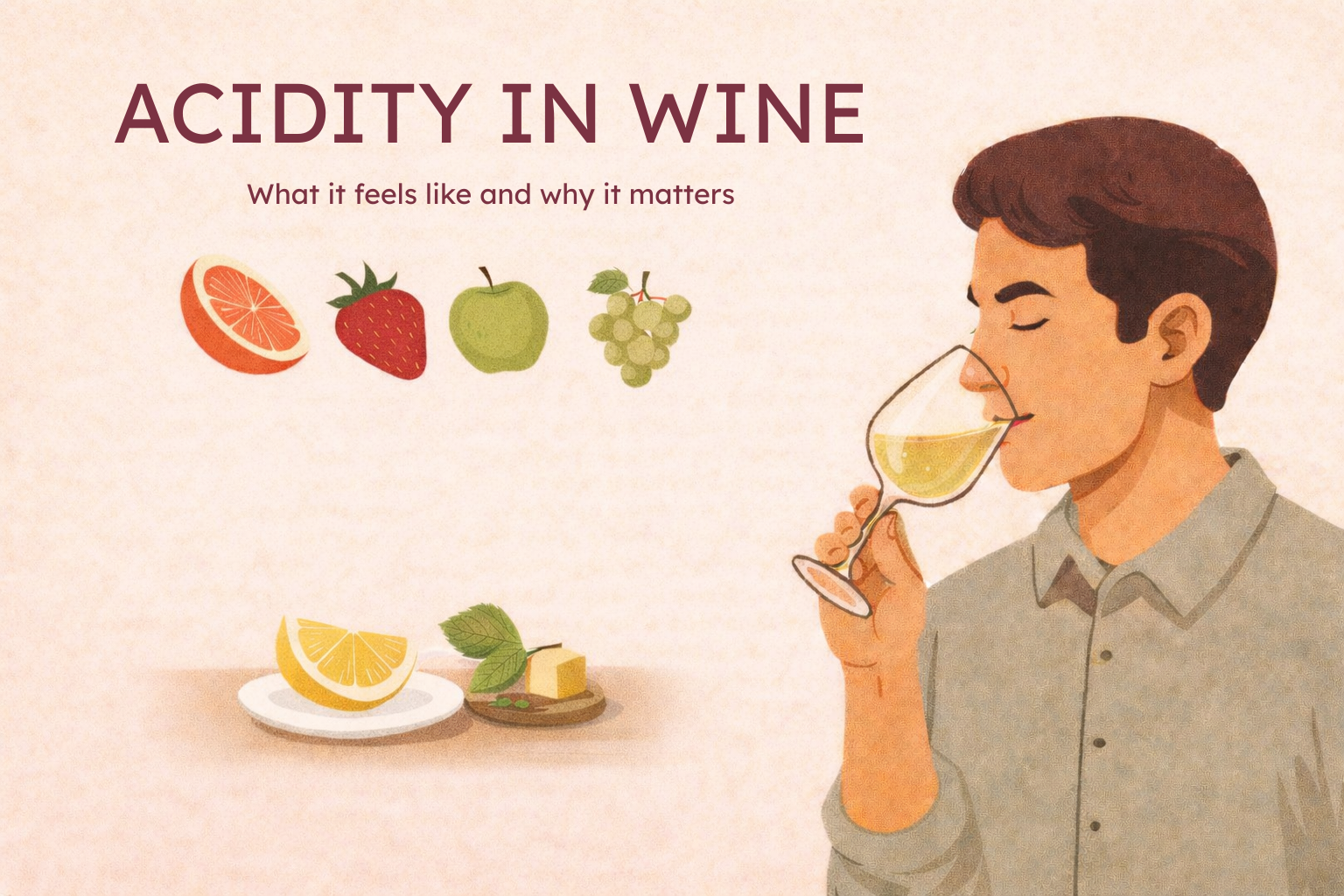
Acidity in Wine: What it feels like
Acidity is what makes wine feel fresh, lively, and mouthwatering. If a sip of wine ever made your mouth water, you’ve already experienced it. This guide explains what acidity feels like and why it matters more than memorizing grape names.
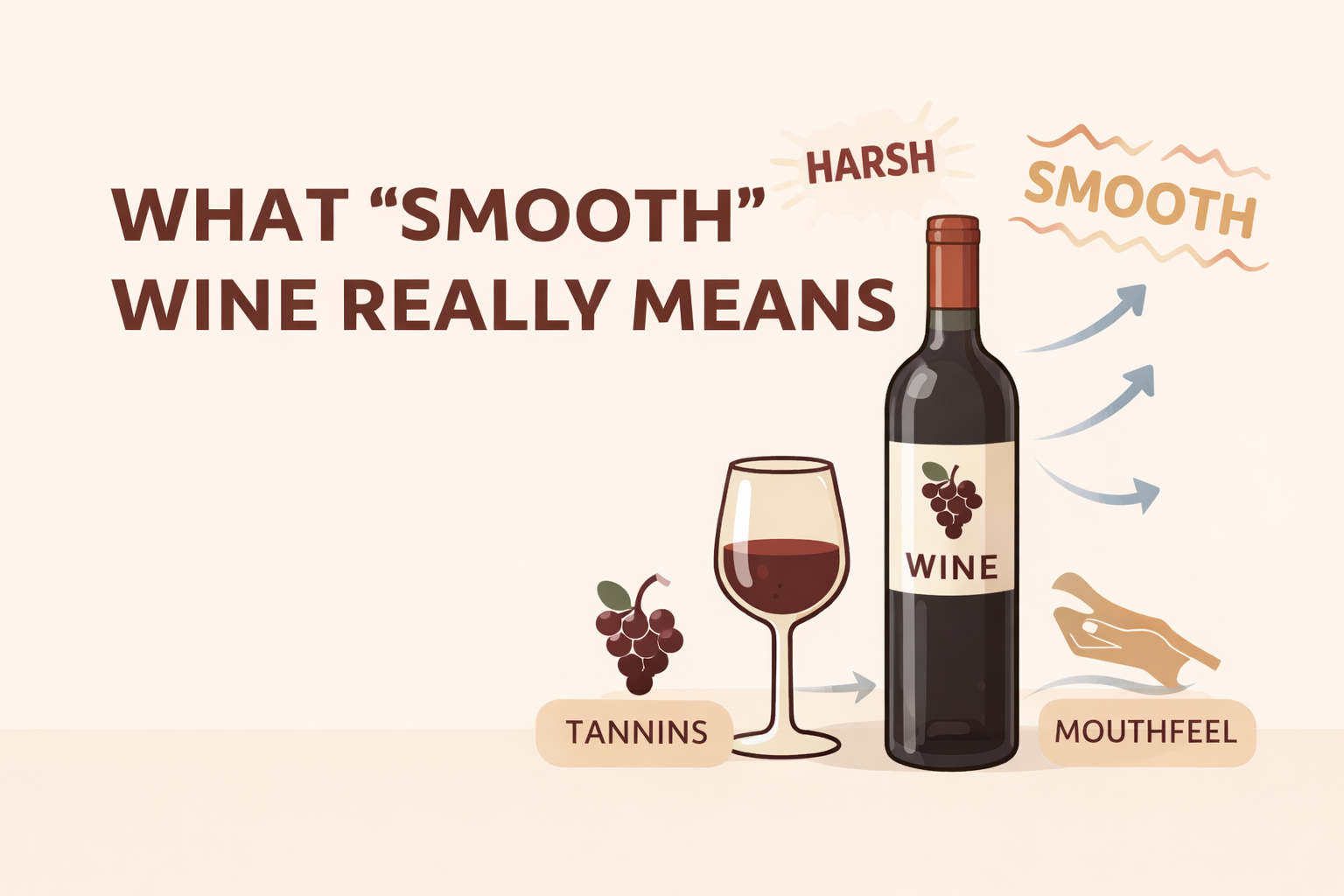
What “Smooth” Wine Really Means
“Smooth” is one of the most common words people use to describe wine and one of the least precise. You’ll hear it at tastings, restaurants, and dinner parties - “I like smooth reds” or “This wine is really smooth”. The problem is that smooth isn’t a technical wine term. It doesn’t appear on labels. And it doesn’t point to a single grape, region, or style. But it does describe a real experience, one that’s worth understanding.
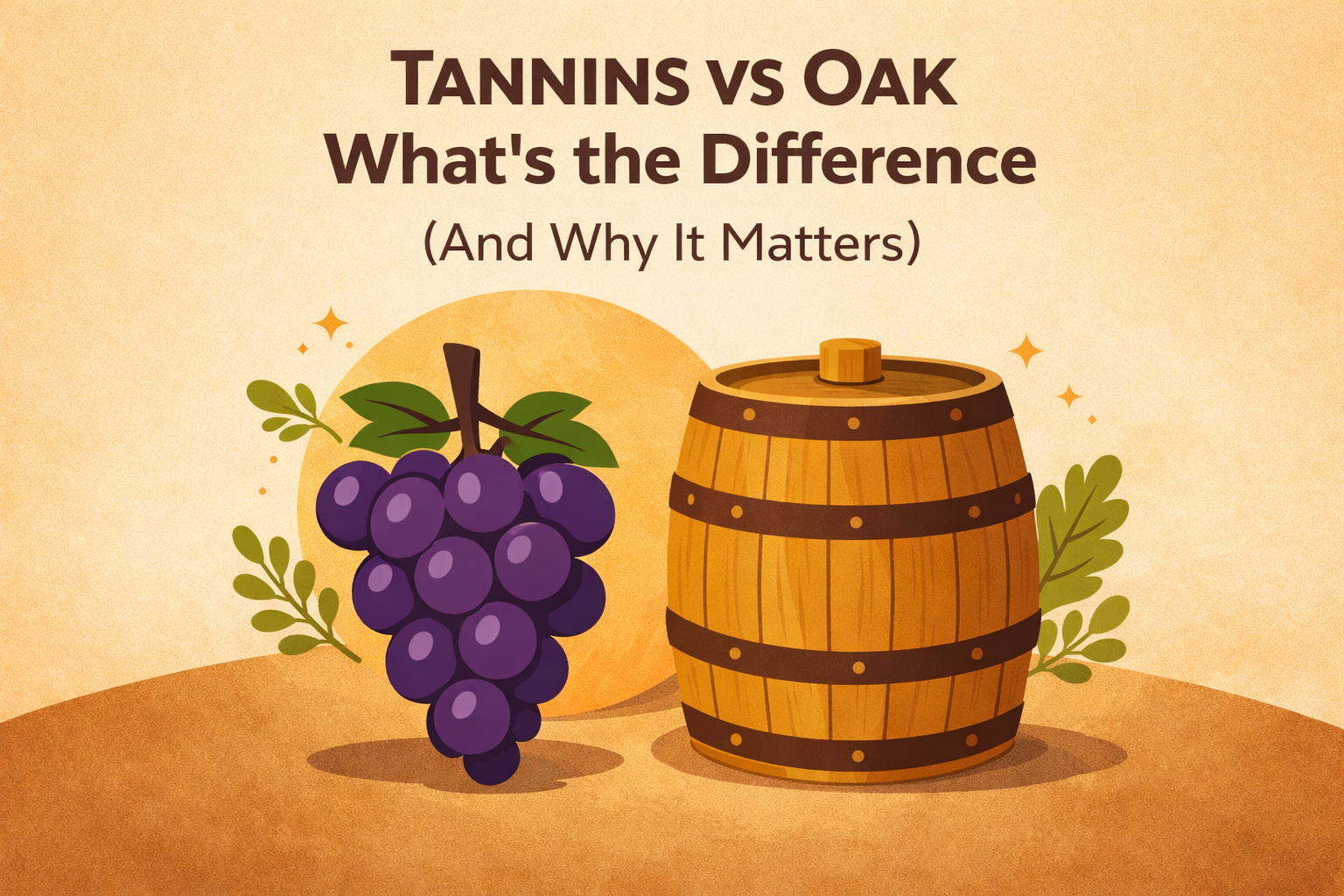
Tannins vs Oak: What’s the Difference
If you’ve ever tasted a wine and thought, “This feels dry,” or “This tastes kind of woody,” you’ve already encountered tannins and oak even if you didn’t have names for them yet. They often show up together, especially in red wines, which is why they’re so commonly confused. But tannins and oak are not the same thing, and understanding the difference makes wine much easier to interpret. Once you can tell which one you’re noticing, a lot of wine descriptions suddenly start to make sense.
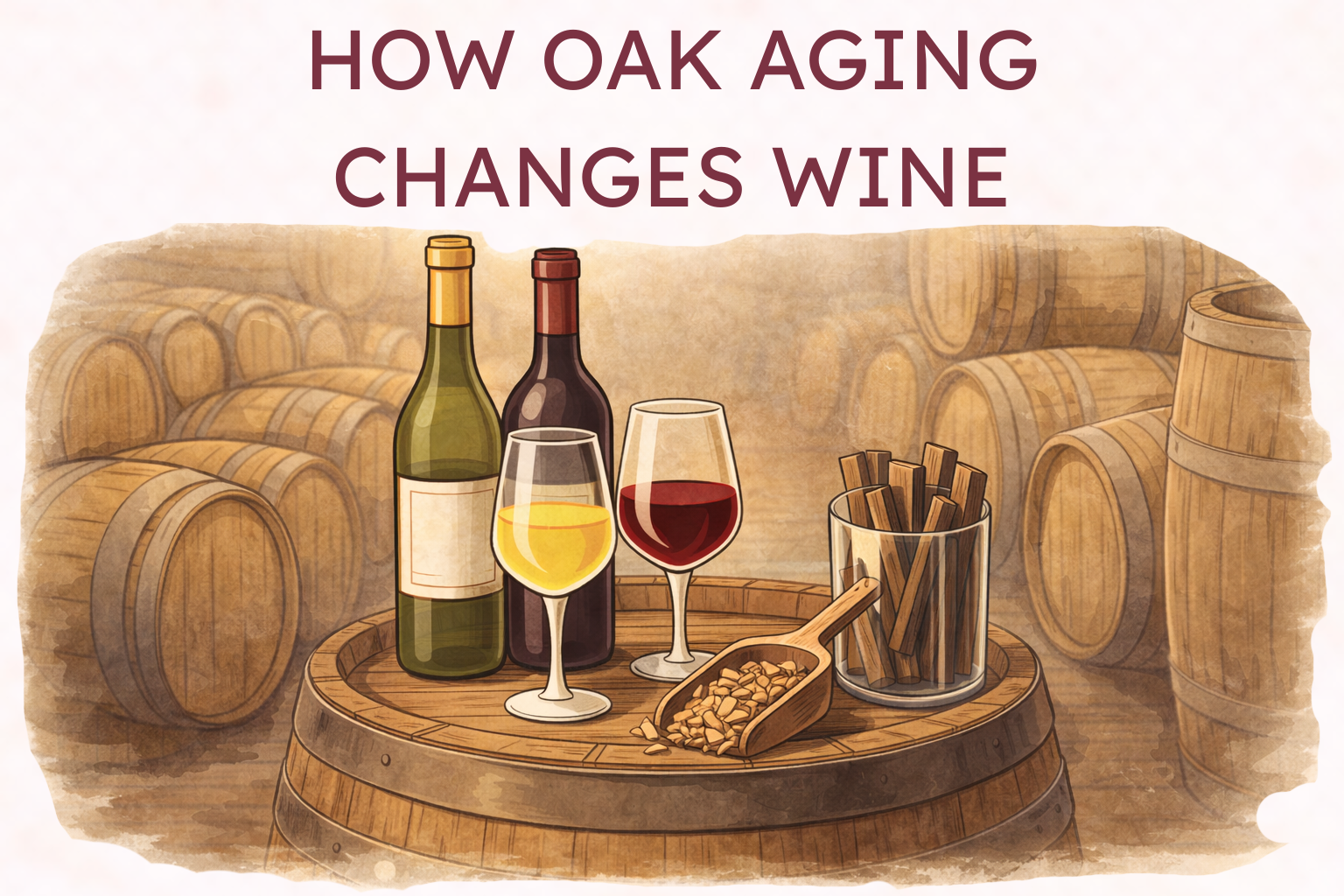
How Oak Aging Changes Wine
If you’ve ever seen “oaked” or “unoaked” on a wine label and wondered what that actually means, you’re not alone. Oak aging is one of the most influential parts of winemaking. Some people love oaky wines. Others say they hate them. The good news? Once you understand what oak does to wine, you’ll be able to recognize it easily, decide whether you like it, and choose bottles with way more confidence.
Discover Your Wine Style
Take our quick quiz to uncover the wines you’ll love based on your tastes, mood, and lifestyle.
Quick & Easy
Takes less than 2 minutes
Personalized Results
Get wine recommendations that match your style
Better Choices, Every Time
Shop and explore with confidence
Not Sure Where to Start?
Essential Guides to help you build confidence with wine.
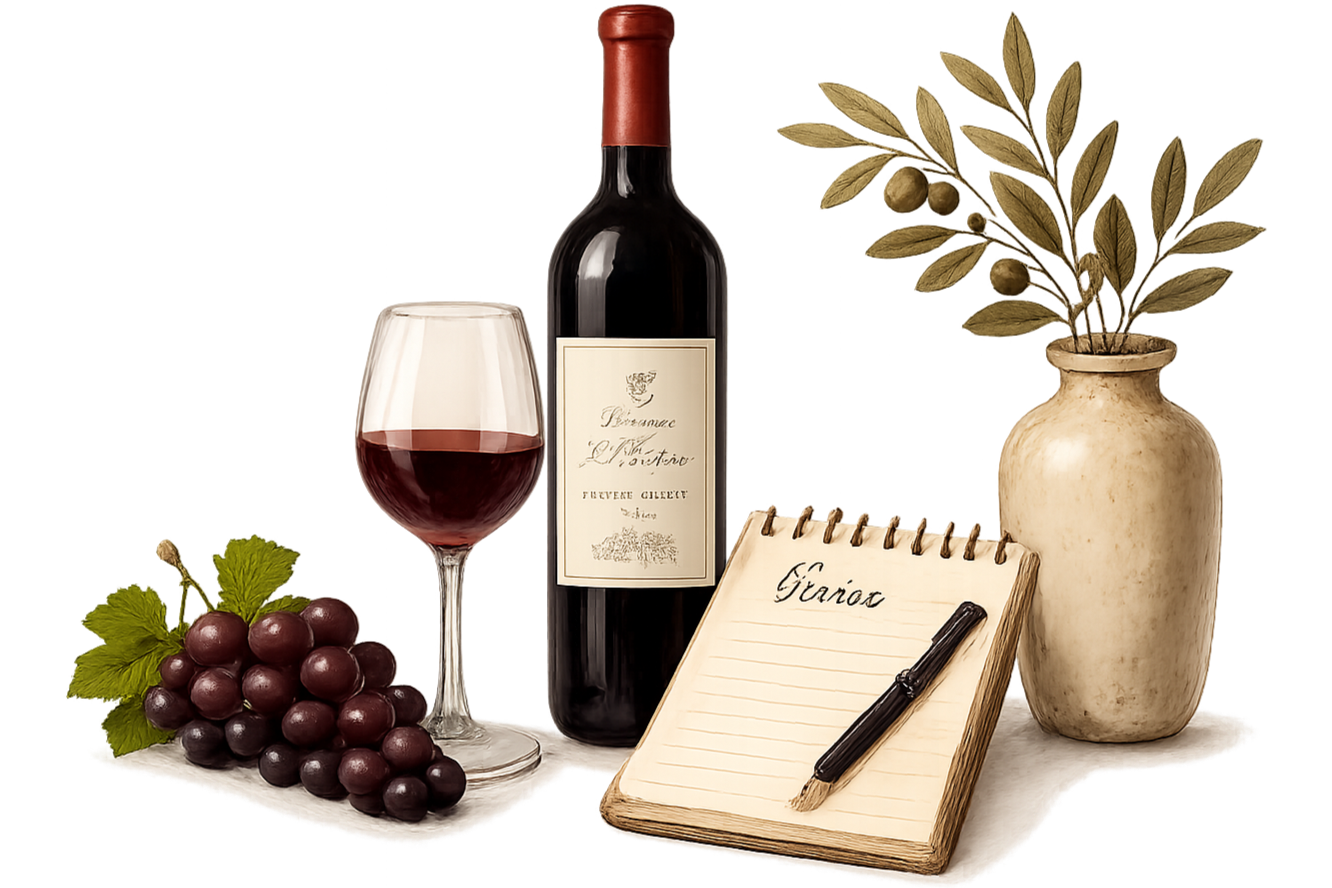
Remember the wines you actually enjoy.
Your free wine journal makes it easy to track what you love, learn from every bottle, and find your perfect pour.