
How to Explore New Wines Without Wasting Money
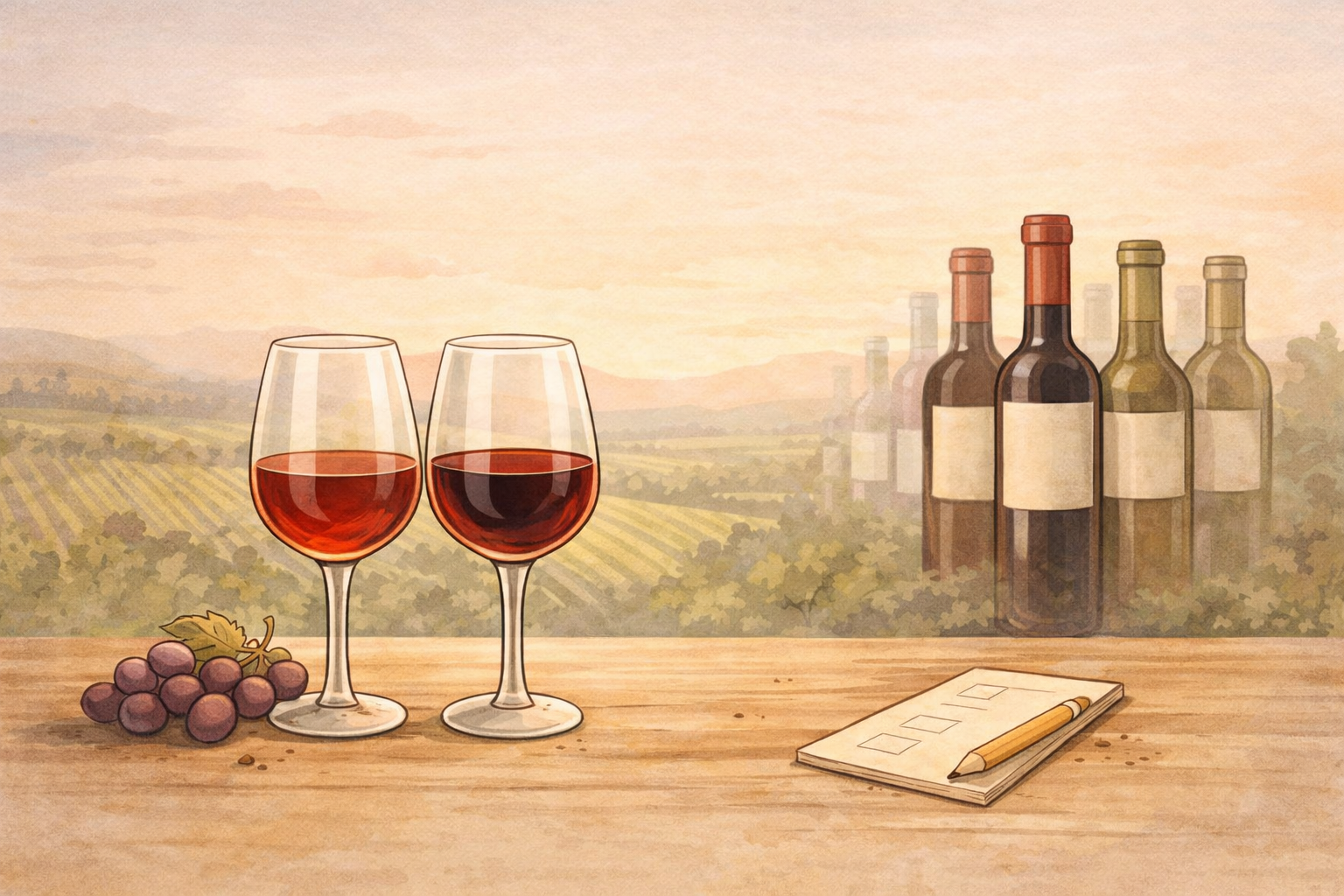
Trying new wine sounds fun until you realize how easy it is to waste money doing it. You grab a bottle that looks interesting. You take it home. You try it. And it’s… not what you expected. So next time, you play it safe and end up drinking the same thing again. If that sounds familiar, you’re not doing anything wrong. You just don’t have a system yet.
Why Most People Waste Money on Wine
It’s not about price. It’s about repetition. Most people:
Pick based on the label
Guess based on price
Forget what they liked last time
So every bottle is a reset. That’s where the waste comes from—not the cost of the wine, but the lack of progress.
The Goal Isn’t to Try More Wine
This is where things flip. Most people think: “I just need to try more wines.” That’s not the goal. The goal is: Figure out what you like and recognize it again.
Once that happens:
You stop guessing
You stop wasting money
You start choosing with confidence
Step 1: Start With Something You Already Like
Don’t start from zero. Start from a wine you’ve actually enjoyed. Then ask:
Did it feel light or full?
Smooth or more structured?
Fruity or more earthy?
You don’t need perfect answers—just a direction. If you’re not sure how to describe those differences, this post will help you connect the dots - How to Choose a Wine You’ll Like
Step 2: Change One Thing at a Time
This is the easiest way to explore without wasting money. Don’t jump from sweet white to a bold red. That’s not exploration, that’s chaos. Instead, make small moves:
Same grape, different region
Same region, different grape
Slightly more body or acidity
This is how you learn without risking every bottle.
Step 3: Compare Wines Side by Side
This is the shortcut most people never use. Instead of trying one wine at a time, try two together. Why it works:
Differences become obvious
Preferences become clear
You learn faster
If you’ve never done this before, here’s exactly how to do it: Compare Wines Side by Side
Step 4: Use Price the Right Way
Price isn’t a guarantee but it is a signal. More expensive doesn’t always mean better. But very cheap often means:
Less balance
Less consistency
Less to learn from
A simple rule, stay in the $12–25 range when exploring. That’s where you’ll find wines that are good enough to trust and different enough to learn from. If you’ve ever wondered how to judge value before you buy, this helps: How to Tell If a Wine Is “Worth It”
Step 5: Pay Attention to Patterns (This Is Everything)
This is the step that most people skip. After a few wines, ask:
Do I keep liking smoother wines?
Do I prefer lighter or fuller styles?
Do I lean toward fruit-forward or earthy?
If you don’t notice patterns, you keep repeating mistakes. If you do notice patterns, everything gets easier.
A Simple Example
Let’s say you try a Merlot and then a Cabernet Sauvignon (both from Napa Valley) and you realize, “I like the smoother, softer one more.” Now you’ve learned something real. Next time, you can look for similar wines and avoid ones that don’t match that preference.
That’s how you explore without starting over.
The Biggest Mistake to Avoid
Jumping too far, too fast. Trying something completely different might sound exciting but it’s also the easiest way to waste money. Exploration works best when it’s:
Gradual
Intentional
Based on what you already know
The Bottom Line
You don’t need to spend more money to explore wine. You just need a better approach. Start from what you like. Make small changes. Compare when you can. Pay attention to patterns.
Do that, and wine stops feeling random and starts making sense.
The Part Most People Miss
Trying new wine isn’t the hard part. Remembering what you liked is. Most people don’t actually dislike wine, they just don’t remember what worked last time. So every new bottle feels like guessing again. If you want to stop guessing and start improving, you need a way to track what you’re learning.
That’s exactly what Somm Scribe is built for so every bottle you try actually moves you forward
