
How to Tell If a Wine Is “Worth It” Before You Buy It
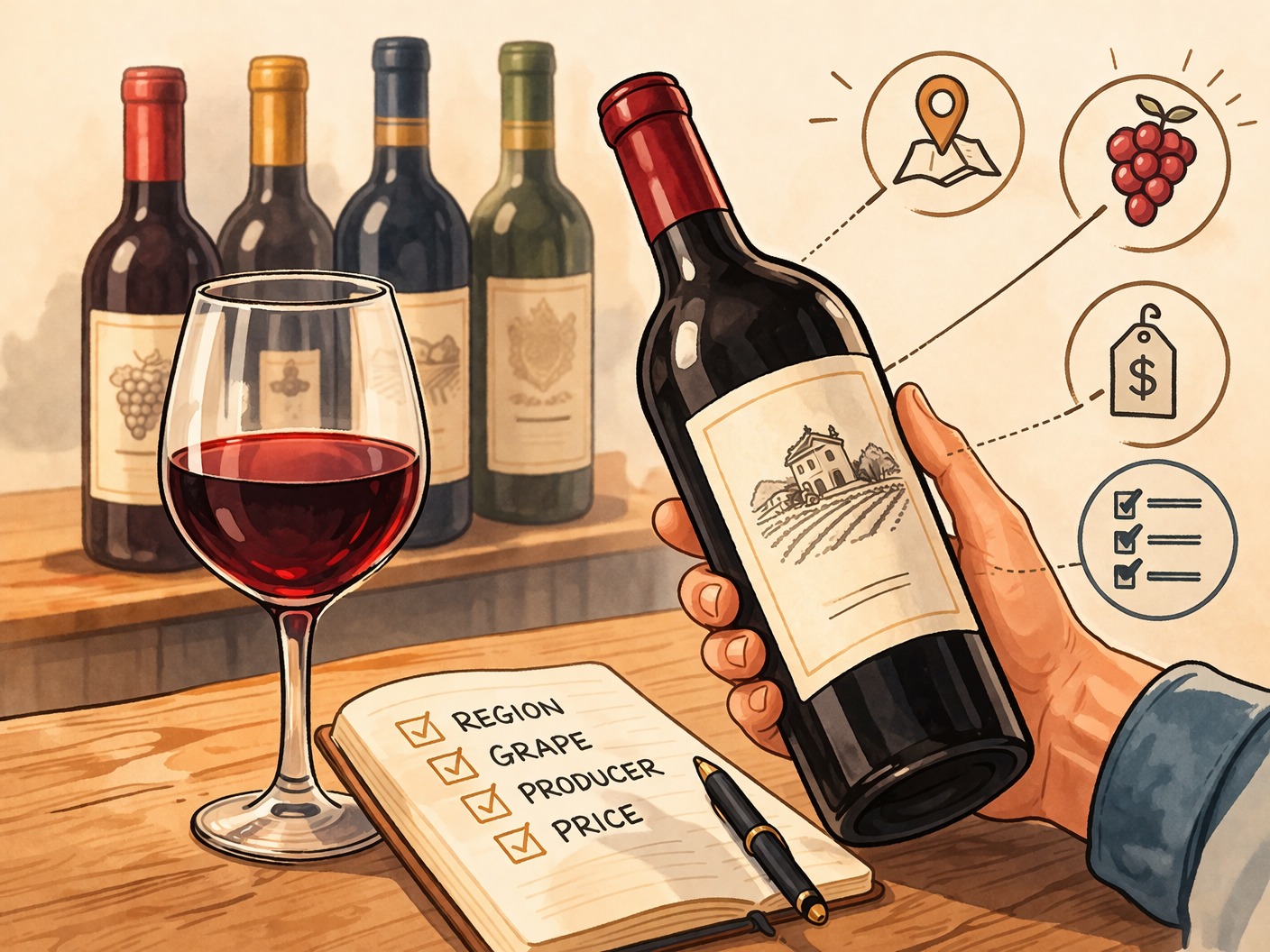
Buying wine can feel like a weird little gamble. You stand in the aisle staring at a wall of bottles, half of them covered in gold script and old-world-sounding names, and somehow you are supposed to know which one is worth $14, which one is worth $28, and which one is just wearing an expensive costume. The good news: you do not need to be an expert to make a better decision.
A wine being “worth it” does not always mean it is the best wine on the shelf. It means the bottle gives you a good return for what you are paying. Maybe that means great quality for the price. Maybe it means a dependable bottle for dinner with friends. Maybe it means spending a little more because the wine will actually deliver something special. The goal is not perfection. The goal is buying with more confidence and less guesswork.
What “worth it” actually means
When most people ask whether a wine is worth it, they are usually asking one of three things: Is this bottle going to taste better than the cheaper one? Am I paying for real quality or just branding? Will this bottle fit the occasion well enough that I won’t regret buying it?
That is an important distinction. A wine can be technically well-made and still not feel worth it to you. And a simple, affordable wine can absolutely be worth it if it tastes good, feels balanced, and suits the moment. That is why “worth it” is more practical than “high quality.” High quality is about what is in the glass. Worth it is about whether the bottle earns its place in your cart.
If you want the deeper tasting-side version of this conversation, read How to Tell If a Wine Is High Quality. This post is about spotting value before the bottle is open.
Start with the label, but do not fall for the label
Wine labels matter. They can tell you useful things. They can also distract you with a lot of nonsense. What you want is not a “fancy-looking” label. You want clues. A bottle starts to look more promising when the label gives you something specific. That might be a clearly named region, a grape variety, a vintage, or a producer with a real sense of place. In general, specificity is better than vagueness. A bottle that tells you where it is from and what it is trying to be is usually a better bet than one built entirely around branding.
For example, “Napa Valley Cabernet Sauvignon” tells you more than a vague proprietary red blend with a dramatic animal on the front. That does not automatically make the Napa bottle better, but it does mean the wine is anchored to something more concrete. On the other hand, if the front label leans heavily on lifestyle language, luxury cues, or marketing fluff while saying very little about origin, that is worth noticing. Sometimes those wines are fine. Sometimes they are just polished enough to justify a higher price.
Label cues that often signal better value
Here are some label clues that can help you make a smarter call in the store.
A specific region is usually a good sign
Specificity tends to matter. A bottle labeled with a well-known region often has more accountability behind it than something broad and generic. For example:
“Bordeaux” tells you the wine comes from a historic French region with a recognizable style.
“Napa Valley” suggests a premium region where land and production costs are high.
“Tuscany” points toward a place known for wines with identity and structure.
A broad label like “California” or “Red Blend” may still be good, but it gives you less information.
This does not mean broad regions are bad. It means a more precise place name often gives you a clearer reason for the price. If you want examples of how region shapes what is in the bottle, posts like Bordeaux, Napa, or Tuscany help make those names mean something real rather than just sounding expensive.
A producer name can matter more than a flashy brand name
A wine made by a producer known for a specific region or style can be a stronger buy than a bottle that is mostly branding. Not always, but often. Over time, you will notice that some producers build trust by being consistent. Their labels might even look kind of boring, which is honestly often a good sign. Fancy design is not bad. It is just not the thing you should pay extra for.
Vintage can add context
Vintage is not everything, especially for casual everyday wines, but it is still useful. It tells you the year the grapes were harvested. For wines that are meant to be fresh and easy, like simple whites or affordable reds, a more recent vintage often makes sense. For wines with structure, age, or a regional reputation, vintage can matter more. It is one more signal that the bottle is part of a real wine story rather than a generic beverage in a glass bottle.
Imported does not automatically mean better, but it can mean more value
This surprises people. In some cases, imported wines from classic regions can offer better value than domestic wines at the same price because the brand markup works differently. A $20 bottle from a respected European region may sometimes feel more serious or more balanced than a heavily marketed domestic bottle at the same price. That does not mean imported always wins. It means geography and brand positioning affect value in ways most shoppers never see.
Region cues: where price means something and where it gets messy
Region is one of the best shortcuts you have, but it helps to know how to read it. Some regions are expensive because they are genuinely costly to farm and highly demanded. Others are expensive because they have prestige. Usually it is a mix of both.
Napa Valley: often expensive, sometimes worth it, rarely “cheap”
Napa is one of the clearest examples of a region where price is shaped by reputation, demand, land costs, and style. You are often paying for a bold, polished, full-bodied wine from a place the market already values highly. That means Napa can absolutely be worth it if that is the style you want. But it also means Napa is not usually where you go hunting for bargains. If a Napa Cabernet is unusually cheap, that does not automatically make it a steal. Sometimes it means compromises were made somewhere in the process.
Bordeaux: often better value than people assume
Bordeaux has prestige too, but it can also offer surprisingly strong value because the region is large and produces wines across many price points. That is why Bordeaux can be a smart buy for people who want structure, savory character, and a more classic style without immediately jumping into ultra-premium pricing. You do not need to buy a famous château to get a bottle that feels serious and well-made.
Tuscany: broad region, wide value range
Tuscany is another region where the name carries weight, but the value varies a lot depending on what part of Tuscany the wine comes from and what style it is aiming for. Some Tuscan wines are affordable and food-friendly. Others are prestige purchases. The region name helps, but the category within the region matters too. This is where reading beyond the largest word on the label helps.
Price expectations: what different price points often mean
Price matters, but not in the simple way people think. A more expensive wine is not automatically better. But price is not random either. It often reflects some combination of farming costs, oak use, aging time, production scale, region prestige, import costs, and branding.Here is the honest version.
Under $12
This is usually the convenience zone. You can absolutely find enjoyable bottles here, but the goal is often consistency and drinkability rather than depth or complexity. A wine under $12 can be worth it if you want something easy for pizza night or a casual glass after work. It is less likely to feel layered or memorable, and that is okay. Not every bottle needs to change your life.
$12 to $20
This is one of the best value zones for many drinkers. At this range, you can often find wines that feel more intentional. Better balance, more clear varietal character, more regional identity, fewer rough edges. This is where a lot of smart everyday buying happens. For many beginners, this is the sweet spot between affordability and noticeable quality.
$20 to $35
This is where region, producer, and style begin to matter more. You are more likely to notice structure, complexity, texture, and stronger identity. But this is also where branding can start charging you extra. A bottle in this range can be worth it, but you want a reason beyond “it looked expensive.”
$35 and up
Now you are often paying for one or more of the following: prestige, scarcity, aging potential, a famous region, a sought-after producer, or more craftsmanship. Sometimes that is absolutely worth it. Sometimes you are paying for status and story as much as taste. Nothing wrong with that, but let’s call it what it is.
A few practical signs a bottle might be worth the money
A wine starts to look promising when several of these line up at once: The label names a specific region rather than staying vague. The producer seems grounded in a place or style, not just a brand concept. The price makes sense for the region instead of feeling suspiciously cheap or inflated for no reason. The bottle fits the occasion you are buying for. The wine style matches what you actually enjoy drinking.
That last one matters more than people admit. A highly respected, earthy, tannic red is not worth it for you if you hate earthy, tannic reds. That bottle might be excellent. It still might not be the right buy.
What usually makes a bottle not worth it
This is where people waste money. A bottle often stops being worth it when you are paying mainly for one of these:
A trendy label with little useful information. A prestige region name without enough substance behind it.
A dramatic jump in price that does not match what you are getting in complexity or balance.
A bottle chosen to impress other people instead of suit your own taste.
That last one gets a lot of shoppers. People buy wines they think they are supposed to like. That is a fast way to overspend on bottles that do nothing for you.
The smartest way to buy wine more confidently
The best wine buyers are not psychic. They just build pattern recognition. They start noticing which regions overdeliver for them. Which producers seem dependable. Which price ranges tend to be their sweet spot. Which labels give real information and which are all costume, no character. That is also why tasting and comparing matters so much. The more you connect label clues to what ends up in the glass, the less random wine shopping feels.
If you are still building that skill, start here:
Read Grocery Store Wine to make faster shelf decisions.
Read How to Tell If a Wine Is High Quality to understand what you are looking for once the bottle is open.
Explore region-specific guides like Bordeaux, Napa, and Tuscany so those names actually mean something when you see them.
The bottom line
A wine is worth it when the bottle earns its price. That usually means a mix of honest labeling, meaningful regional context, fair pricing, and a style that fits what you actually want to drink. Not hype. Not intimidation. Not a label trying way too hard to seduce you with gold foil and vague promises. You do not need to know everything before you buy. You just need a better filter.
And once you start using one, the wine aisle gets a whole lot less stupid.
