
Napa Valley Wine Guide: What Makes the Region Special
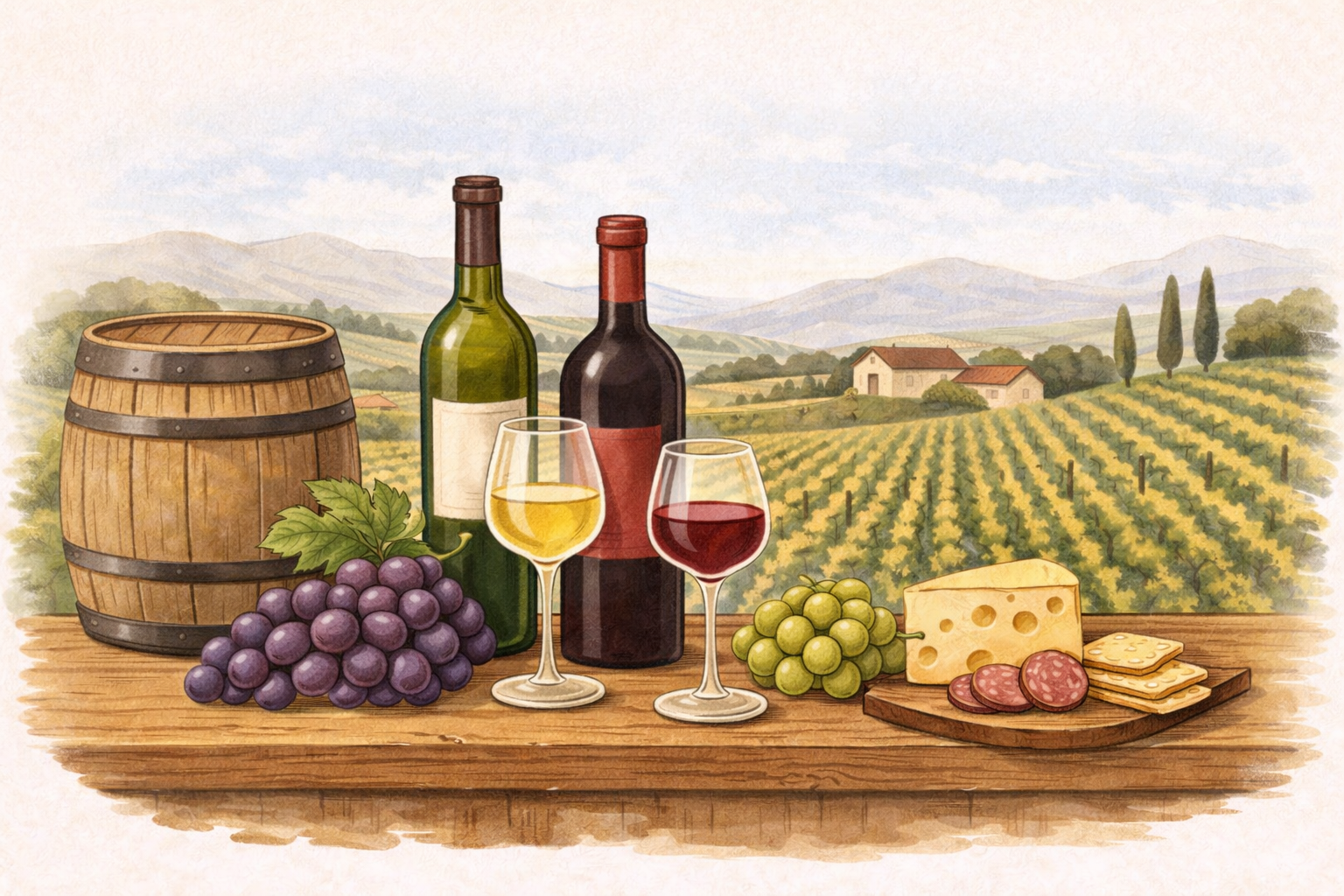
Napa Valley is one of the most famous wine regions in the world — a small strip of land in Northern California that produces bold reds, elegant whites, and some of the most sought-after bottles in the U.S. But what actually makes Napa wine unique? And how do you understand the styles that come from this iconic region? This guide breaks down Napa’s signature grapes, flavor profiles, growing conditions, and what to expect when you taste Napa Valley wine.
Why Napa Valley is so Famous
Napa is celebrated for several reasons. First, its ideal climate: warm days and cool nights help grapes ripen fully while keeping acidity fresh. Second, its diverse soils — volcanic, alluvial, clay, and gravel. Small changes in soil throughout the valley create big differences in wine style. Third, Napa combines tradition and innovation, with world-class wineries, cutting-edge viticulture, and consistent quality. And fourth, the world's most popular wine varieties thrive here: Cabernet Sauvignon and Chardonnay each show a distinctly “Napa” style.
Napa Valley Cabernet Sauvignon
Napa Cabernet is the region’s flagship wine — rich, powerful, and structured.
What It Tastes Like
Blackberry
Black cherry
Cassis
Plum
Secondary & oak notes
Vanilla
Cocoa
Cedar
Tobacco
Baking spice
Structure
Full body
Firm but smooth tannins
Moderate to lower acidity
Long, warming finish
Why People Love It
Ripeness + power + polish. Napa Cabs are generous and expressive without feeling rustic, offering concentrated fruit, firm structure and refined tannins that balance ripeness with precision.
Napa Valley Chardonnay
Chardonnay is the region’s most important white wine and is produced in two primary, distinct styles.
Oaked Chardonnay
Baked apple
Pear
Vanilla
Toast
Creamy texture
Unoaked Chardonnay
Lemon
Green apple
Minerality
Crisp acidity
Napa’s climate allows both styles to thrive, but you’ll often see richer, rounder Chardonnays with subtle oak influence.
Other Varietals Napa Does Well
While Cab and Chardonnay dominate, you’ll also find:
Merlot
Plush red fruit, smooth texture, softer tannins.
Sauvignon Blanc
Citrusy, herbal, fresh — sometimes with a hint of tropical fruit.
Zinfandel
Spicy, bold, jammy, warm.
Pinot Noir
Less common, but in cooler pockets (like Carneros), Pinot can be silky and aromatic.
Napa Valley Sub-Regions to Know
Napa has 16 AVAs (American Viticultural Areas). You don’t need to memorize them — but here are a few worth noting:
Stags Leap District
Elegant Cabernet with velvety tannins.
Rutherford
Famous for the “Rutherford dust” character — earthy, cocoa-like notes.
Howell Mountain
High elevation, structured Cabernet with intense dark fruit.
Oakville
Home to some of Napa’s most iconic wineries; rich, powerful Cabernets.
Carneros
Cooler climate → great for Chardonnay, Pinot Noir, and sparkling wine.
Each sub-region adds nuance and character to Napa wines.
Food Pairings for Napa Wines
Napa Cabernet Pairings
Ribeye
Short ribs
Lamb
Aged cheddar
Portobello mushrooms
Rosemary & thyme dishes
Why it works: Tannins meet richness; acidity cuts through fat.
Napa Chardonnay Pairings
Roast chicken
Lobster with butter
Mushroom risotto
Creamy pastas
Brie and soft cheeses
Why it works: Richer dishes complement Chardonnay’s body and texture.
How to Taste Napa Wines
Use these cues the next time you taste:
For Cabernet
Notice the structure — tannins will be smooth but firm.
Look for dark fruit and oak notes.
Pay attention to the long finish — Napa Cab tends to linger.
For Chardonnay
Is it crisp or creamy?
Look for citrus vs. baked fruit flavor.
Identify whether oak is present (vanilla, toast, spice).
These sensory clues help you understand the style and quality.
How Somm Scribe Helps You Capture Napa Wines
Napa wines can vary widely by sub-region, vintage, and style. Somm Scribe gives you a structured way to record:
aromas
flavors
tannins
acidity
finish
oak influence
your personal rating
Over time, you’ll spot patterns — like which Napa AVAs you prefer or whether you lean toward oaked vs. unoaked Chardonnay.
Explore Napa Through Your Own Tasting Notes
The best way to learn Napa Valley is to taste wines from different producers and sub-regions. As you log your notes in Somm Scribe, you’ll develop a deeper understanding of the region’s character and style.
Start your tasting journal at Somm Scribe.
