
Why Some Wines Work With Food and Others Don’t
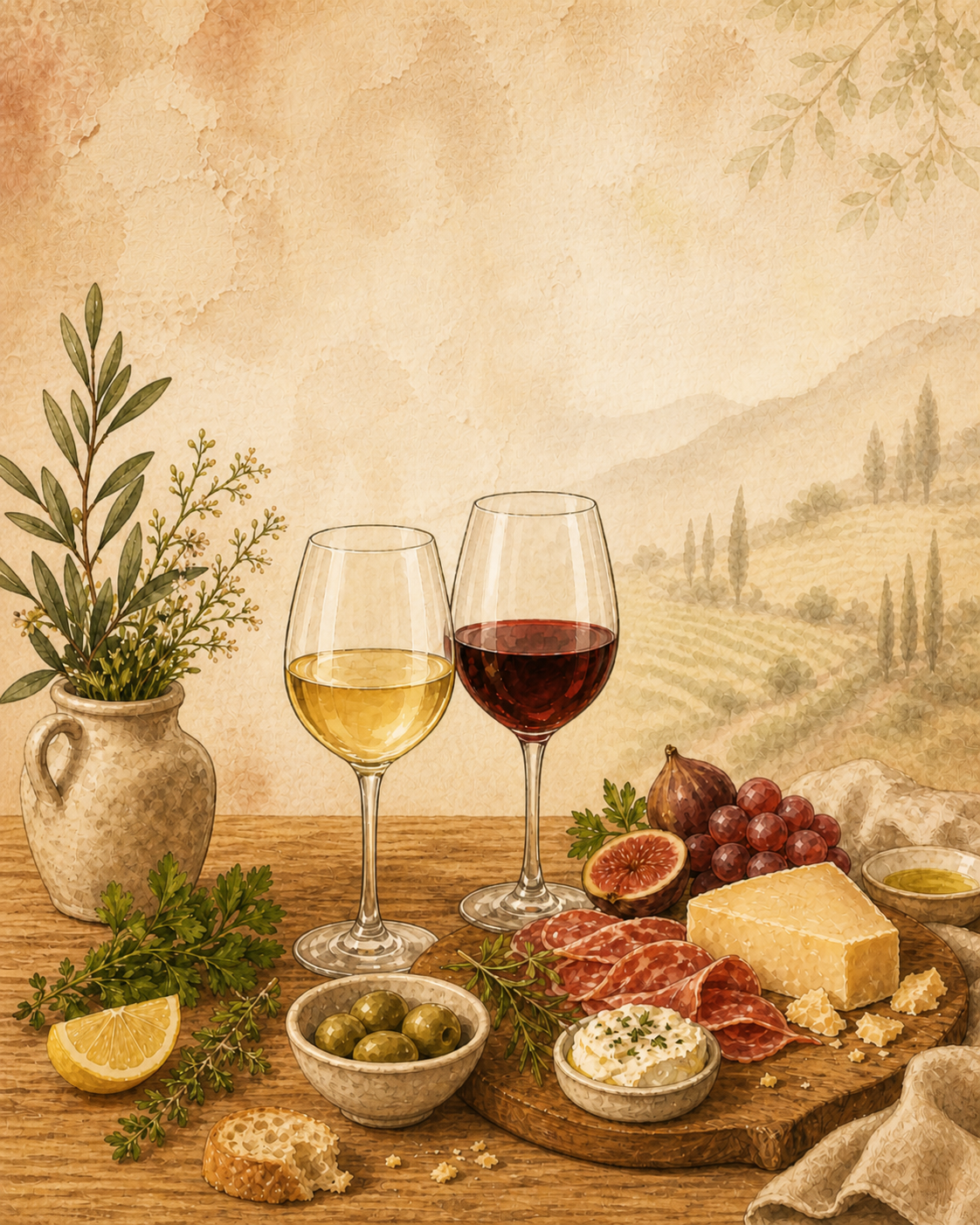
Some wine pairings just make sense. The wine tastes brighter. The food tastes better. Everything feels smoother, fresher, or more complete than it did on its own. And then there are the other pairings. The wine suddenly tastes bitter. Or sharp. Or flat. Or way hotter than it seemed before dinner showed up.
That can feel random, but it usually isn’t. When wine works with food, it’s not because someone picked the “correct” grape from a secret chart. It’s because the wine and the food are balancing each other. Once you understand that, pairing gets much less intimidating. You’re not memorizing rules. You’re noticing what’s happening.
Pairing Is Less About Flavor Than You Think
Most people start with flavor. “This wine tastes like cherry, so maybe it goes with something cherry-glazed.” That can work sometimes, but flavor is not the main reason a pairing succeeds. The bigger thing is structure. Structure is how wine feels: its freshness, dryness, weight, sweetness, warmth, and texture. A wine can be light and crisp. It can be bold and grippy. It can feel soft, round, sharp, juicy, creamy, or mouthwatering.
Food has structure too. A dish can be fatty, salty, acidic, spicy, sweet, delicate, or heavy. Pairing is really about what happens when those two structures meet. That’s why the same wine can feel perfect with one dish and completely wrong with another. The wine didn’t change. The food changed how you experienced it. If the idea of balance still feels a little fuzzy, What Balance in Wine Means is a helpful companion because it explains why a wine can feel harmonious, sharp, heavy, or out of sync.
Why Great Pairings Feel So Good
A good pairing usually does one simple thing, it fixes something. That sounds dramatic, but it’s true. A rich dish can make your mouth feel coated. A wine with acidity clears that out and makes the next bite taste fresh again. A tannic red can feel dry or grippy on its own. Add a fatty, protein-rich dish, and suddenly that grip feels smoother. A salty snack can make a wine taste rounder, fruitier, and more generous. That’s the magic of pairing. It’s not magic-magic. Sorry to ruin the romance. But it is one of those small food-and-wine moments that feels way more impressive once you know what’s happening.
Acid Is the Friendliest Tool in the Box
If there’s one wine trait that makes food pairing easier, it’s acidity. Acid is what gives wine that fresh, mouthwatering feeling. It’s why some wines feel crisp, bright, and refreshing instead of soft or heavy. With food, acidity is especially useful because it cuts through richness.
Think about why lemon works on fried fish. Or why vinaigrette helps a salad feel lively. Or why pickles are so good with something fatty. Wine acidity does something similar. A crisp white wine with a creamy pasta or buttery seafood dish can feel better than a big heavy wine because it refreshes your palate instead of adding more weight.
That’s why “rich food needs rich wine” is only partly true. Sometimes rich food needs brightness.
Tannin Can Be Great or a Total Pain
Tannin is the dry, grippy feeling you get from many red wines. It can make your mouth feel a little rough or tight, especially around your gums. With the right food, tannin can be beautiful. Fat and protein soften how tannin feels. That’s why bold reds often work well with steak, lamb, burgers, or rich mushroom dishes. The food rounds out the wine, and the wine brings structure back to the food.
But tannin has enemies. Spicy heat can make tannin feel harsher. Bitter or heavily charred foods can make it feel more aggressive. A very light dish can make a tannic wine feel like it’s stomping around the table in boots. This is where people get tricked. The wine may be good. The food may be good. They’re just not helping each other.
Salt Is Sneakily Helpful
Salt is one of the easiest pairing helpers. It can make wine taste fruitier, smoother, and less bitter. It can also soften rough edges and make a pairing feel more generous. That’s why salty foods are so flexible with wine.
Think olives, cured meats, salty cheese, fries, popcorn, roasted nuts, or anything with a savory edge. Salt tends to make wine feel more welcoming. It gives the wine a little boost instead of putting it on trial. Honestly, salt is doing a lot of the work at most wine bars.
Sweetness Is Where Things Go Sideways Fast
Sweetness is one of the biggest reasons a pairing falls apart. When food is sweeter than the wine, the wine can suddenly taste thin, sour, bitter, or overly sharp. This is why dry red wine with a sweet dessert usually tastes rough. It’s also why barbecue sauce, sweet glazes, honey, and sweet-spicy dishes can be tricky.
The food makes the wine seem less fruity and more acidic. That doesn’t mean every sweet dish needs dessert wine. But the wine needs enough fruit, softness, or actual sweetness to hold up. This is one of those pairing ideas that saves you from a lot of “why does this taste weird?” moments.
Heat Wants a Softer Wine
Spicy food changes wine quickly. Heat makes alcohol feel hotter. It can make tannin feel drier. It can turn a big red wine into something that feels sharp, bitter, and a little exhausting. That’s why high-alcohol, heavily tannic reds are usually not the safest move with spicy food.
A better direction is usually, lower alcohol, softer tannin, bright fruit, and maybe a little sweetness. That could mean an off-dry white, a juicy light red, rosé, sparkling wine, or something crisp and refreshing. The goal is not to “beat” the spice. The goal is to keep the wine from throwing gasoline on it.
Why the Same Wine Can Work One Night and Fail the Next
This is where wine gets interesting. A crisp white wine might taste perfect with creamy pasta because the acidity cuts through the richness. That same wine might taste too sharp next to a very acidic salad with vinaigrette. A bold red might feel smooth and satisfying with a fatty steak.
That same red might taste bitter and drying with a delicate fish dish or a light salad. The wine didn’t suddenly become bad. It just landed in a different context. That’s why pairing by protein alone is so unreliable. “Chicken” doesn’t tell you enough. Chicken with lemon and herbs is one thing. Chicken in cream sauce is another. Spicy chicken tacos are another thing entirely.
The sauce, seasoning, cooking method, and texture matter more than the main ingredient. If you want a more practical way to make these choices in the moment, How to Pair Wine With Food breaks the process into a simple decision path.
The Most Common Pairing Clashes
Most bad pairings come from a few predictable problems.
Spicy food with high alcohol and heavy tannin
This can make everything feel hotter, drier, and more aggressive.
Sweet food with dry wine
The wine can taste sour, thin, or bitter because the food makes the wine seem less generous.
Very acidic food with low-acid wine
The food can make the wine feel flat, dull, or washed out.
Light food with a very powerful wine
The wine takes over and the dish disappears.
Rich food with a wine that has no freshness
Everything starts to feel heavy, soft, and tiring.
None of this means you need to panic when choosing wine. It just means most “bad” pairings are explainable. And once they’re explainable, they’re easier to avoid.
Intensity Matters Too
Even when the structure makes sense, a pairing can still feel off if one side is much louder than the other. A delicate wine can disappear next to a heavily seasoned dish. A huge red can overwhelm something subtle. A very aromatic wine can take over a simple meal. The goal is not perfect equality. Food and wine don’t need to match like a spreadsheet. But they should feel like they belong in the same conversation.
Light dishes usually like lighter wines. Richer, bolder dishes can handle wines with more weight, texture, or intensity. If you want a better map for thinking about light, medium, full, crisp, round, fresh, and rich styles, Wine Styles Explained will help you put names to those categories.
A Simple Way to Remember It
You don’t need a pairing chart. You just need a few patterns:
Rich food usually likes freshness.
Tannin usually likes fat and protein.
Sweet food needs a wine that can handle sweetness.
Spicy food wants lower alcohol and softer tannin.
Salty food makes a lot of wines taste better.
And intensity matters more than the exact grape.
That’s the “why” behind most classic pairings. It’s also why some pairings sound good on paper but fall apart at the table.
The Real Goal: Confidence, Not Perfection
Wine pairing is not about finding the one perfect bottle. It’s about understanding what the food is doing, what the wine is doing, and whether they help each other. Some pairings will be great. Some will be fine. Some will teach you what not to do next time. That’s not failure. That’s how you build taste. The more you notice these patterns, the easier it gets to choose wine without second-guessing yourself. And that’s really the point. Not memorized rules. Just more confidence at the table.
Somm Scribe helps you build that confidence by keeping track of what you taste, what you pair it with, and what actually works for you over time. The more you log, the easier it becomes to spot your own patterns and choose wines that fit the food, the moment, and your taste.
