
Crisp Wine Explained: What People Mean When Wine Tastes Fresh
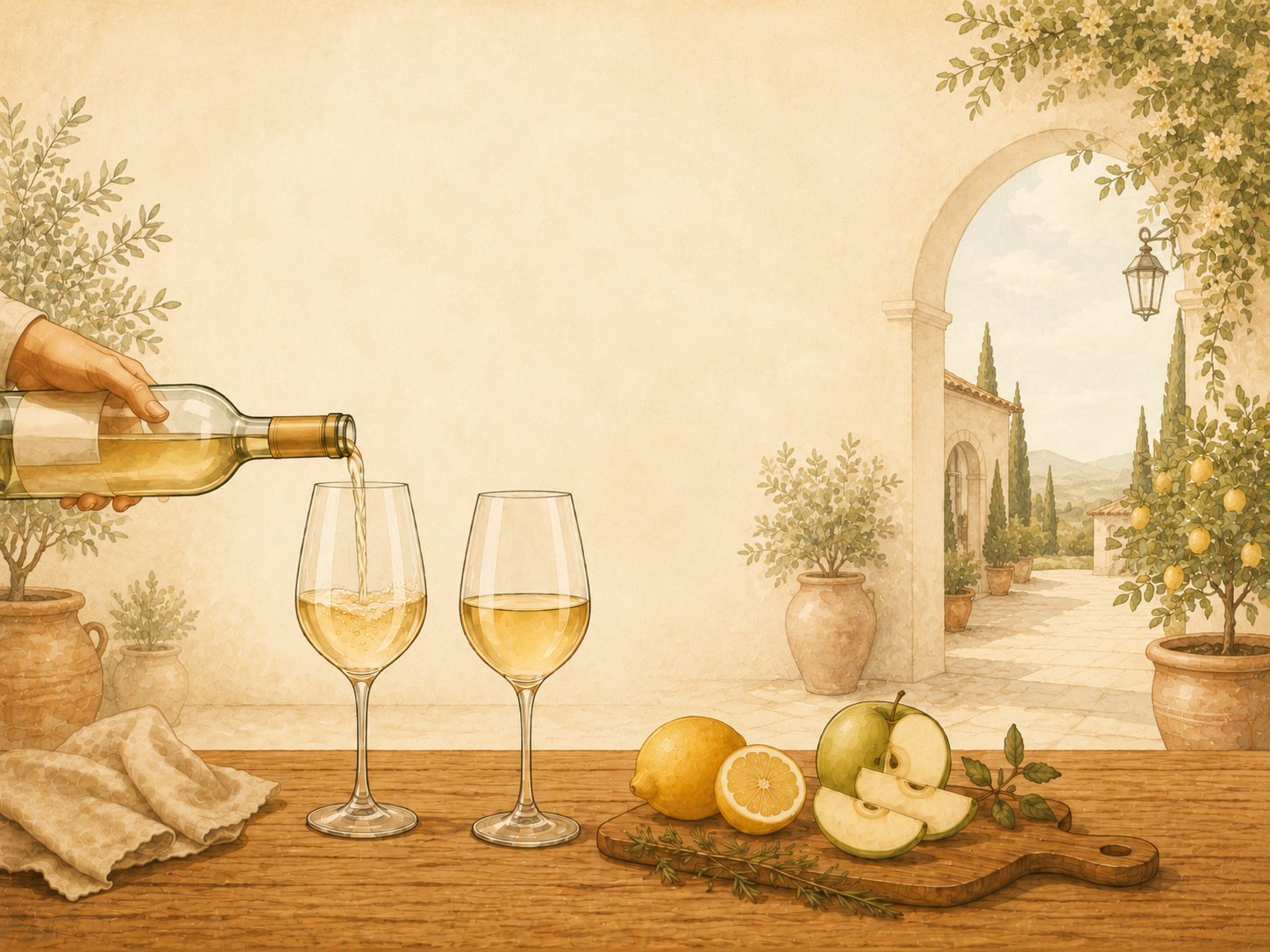
“Crisp” is one of those wine words that sounds helpful… until you realize nobody explains what it actually means. You might see a bottle described as crisp, fresh, bright, zippy, refreshing, or lively. And if you’re newer to wine, all of those words can start to feel like fancy ways of saying, “This tastes like wine.” But crisp wine is not just marketing fluff. It points to a real sensation in the glass. A crisp wine usually feels refreshing, clean, and mouthwatering. It makes your mouth feel awake. It often tastes lighter, brighter, and more energetic than a wine that feels soft, rich, creamy, or heavy. The easiest way to understand crisp wine is that crisp wine has enough acidity to feel fresh. That does not mean it tastes sour in a bad way. It means the wine has a lively edge that keeps it from feeling flat.
What Does “Crisp” Mean in Wine?
When people describe wine as crisp, they usually mean the wine feels fresh, clean, and refreshing on the palate. Think about biting into a green apple, squeezing lemon over seafood, or drinking cold sparkling water on a hot day. That bright, mouthwatering feeling is close to what people mean when they call a wine crisp. Crisp wines often have a few things in common:
They feel light or medium-bodied rather than heavy.
They make your mouth water.
They taste refreshing instead of sweet, creamy, or jammy.
They usually have noticeable acidity.
They often have flavors like citrus, green apple, pear, herbs, minerals, or fresh flowers.
The key word here is feel. Crispness is not only about flavor. A wine can taste like lemon, apple, or grapefruit, but the thing that makes it feel crisp is usually acidity. That is why crisp wines are often described as “bright” or “zesty.” They have lift.
Crisp Wine Is Mostly About Acidity
Acidity is one of the main building blocks of wine. It is the part that gives wine freshness, structure, and energy. When a wine has higher acidity, it can feel more refreshing and mouthwatering. When a wine has lower acidity, it can feel softer, rounder, or sometimes flat. This is why acidity matters so much when people talk about crisp wine.
A crisp white wine might remind you of lemon, lime, grapefruit, green apple, or underripe pear. A crisp rosé might feel bright, dry, and refreshing. A crisp red wine might taste lighter, fresher, and more tart-fruited than a big, bold red. If you want a deeper breakdown of how acidity compares to other major wine sensations, read Acidity vs Tannin vs Alcohol. That post helps explain why a wine can feel sharp, drying, warm, smooth, or refreshing depending on what is driving the structure. For crisp wines, acidity is usually the star.
Crisp Does Not Always Mean Dry
This is where wine gets a little sneaky. A crisp wine is often dry, but crisp and dry are not the same thing. Dry means the wine does not taste sweet. Crisp means the wine feels fresh and lively. Those two things often show up together, but not always. For example, many dry white wines are crisp because they have bright acidity and little to no sweetness. Sauvignon Blanc is a classic example.
But some slightly sweet wines can still feel crisp if they have enough acidity to balance the sugar. Riesling is a good example. A Riesling might have a touch of sweetness, but if the acidity is high, it can still taste refreshing instead of syrupy. So when you see “crisp” on a wine description, do not automatically assume it means bone dry. It probably means fresh, bright, and acidity-driven.
Crisp vs Fresh: Are They the Same Thing?
Most of the time, crisp and fresh are used in similar ways. Fresh is the broader word. It can describe the overall style of a wine: lively, lighter, fruit-forward, and easy to drink. Crisp is a little more specific. It usually points directly to that bright, mouthwatering acidity. A fresh wine might be crisp, juicy, floral, herbal, or light. A crisp wine usually has a clean, zippy edge.
This is why you will often see crisp wines grouped into the “fresh” side of wine styles. If you are trying to understand how crisp wines fit into the bigger picture, Wine Styles Explained is a helpful next step. It gives you the broader map: fresh, rich, bold, smooth, earthy, fruity, and more. Once you understand the style, the tasting notes start to make more sense.
Crisp vs Rich Wine
Crisp wines and rich wines can both be delicious, but they create very different experiences. A crisp wine feels refreshing. It has lift. It often feels clean and bright. You might want it with lighter foods, warm weather, seafood, salads, salty snacks, or anything that needs a refreshing contrast. A rich wine feels fuller, rounder, and more textured. It might taste creamy, buttery, ripe, soft, or powerful. You might want it with roasted chicken, creamy pasta, lobster, mushrooms, or richer dishes. Neither style is better. They just solve different problems.
If you want something that feels clean and refreshing, crisp is probably the direction you want. If you want something fuller and more luxurious, rich might be better. For a simple side-by-side explanation, read Fresh vs Rich Wines. That post is especially useful if you have ever wondered why one Chardonnay feels light and refreshing while another feels buttery and full. Same grape family, totally different vibe. Wine loves doing that to us because apparently it enjoys making beginners suffer a little.
Common Crisp Wine Flavors
Crisp wines are often associated with bright, fresh flavors. These can vary depending on the grape, climate, region, and winemaking style, but common notes include:
Citrus flavors like lemon, lime, grapefruit, and orange peel.
Green fruits like green apple, pear, and underripe peach.
Herbal notes like grass, basil, mint, or fresh herbs.
Mineral-like notes such as wet stone, sea spray, or chalk.
Floral notes like white flowers or honeysuckle.
Sometimes tropical notes like passion fruit or pineapple, especially in warmer-climate Sauvignon Blanc. The important thing is that these flavors usually feel lifted instead of heavy. A crisp wine should not feel thick, syrupy, or overly soft. It should make you want another sip.
Sauvignon Blanc: The Classic Crisp Wine
If there is one grape that helps beginners understand crisp wine quickly, it is Sauvignon Blanc. Sauvignon Blanc is often bright, citrusy, herbal, and refreshing. It can taste like lime, grapefruit, green apple, passion fruit, grass, or fresh herbs depending on where it is grown. It is usually a great example of acidity doing its job.
That is why Sauvignon Blanc often feels crisp even when the flavors are bold. It may have intense aromas, but the body usually stays light to medium, and the acidity keeps everything feeling fresh. If you want a practical grape-specific example, read Sauvignon Blanc Explained. It is one of the best places to start if you like wines that taste clean, bright, and easy to pair with food.
Are Crisp Wines Always White?
Nope. White wines are the most common place you will see the word crisp, but crispness can show up in rosé, sparkling wine, and even some reds. Crisp white wines might include Sauvignon Blanc, Albariño, Pinot Grigio, Grüner Veltliner, dry Riesling, unoaked Chardonnay, and Muscadet. Crisp rosé wines are usually dry, pale, and refreshing, especially when they come from regions that emphasize freshness. Crisp sparkling wines can feel especially refreshing because they combine acidity with bubbles. Crisp red wines are usually lighter-bodied with higher acidity and lower tannin. Think Pinot Noir, Gamay, Barbera, or lighter styles of Cabernet Franc. That said, when most people say crisp, they are probably talking about white wine or sparkling wine.
How to Tell If You Might Like Crisp Wine
You might like crisp wine if you enjoy drinks and foods that taste refreshing, bright, or tart. You probably like crisp wine if you enjoy lemonade, green apples, grapefruit, sparkling water with lime, vinegar-based salad dressings, fresh herbs, or lighter cocktails. You may also like crisp wine if you usually avoid wines that feel heavy, buttery, sweet, jammy, or high in alcohol.
A good beginner trick is to pay attention to what you want the wine to do. Do you want something refreshing before dinner? Crisp wine. Do you want something bright with seafood or salad? Crisp wine. Do you want something that cuts through salty or fried food? Crisp wine. Do you want something cozy, round, and rich? Probably not crisp. At least not as the main thing you are looking for.
Food Pairings for Crisp Wine
Crisp wines are some of the easiest wines to pair with food because acidity is your friend. Acidity helps wine cut through fat, balance salt, and refresh your palate between bites. That makes crisp wines especially useful with lighter, brighter, or salty foods. Try crisp wines with seafood, goat cheese, salads, sushi, grilled chicken, lemony pasta, tacos with lime, Thai food, fresh herbs, asparagus, or fried appetizers.
Sauvignon Blanc with goat cheese is a classic for a reason. Albariño with seafood is another easy win. Dry sparkling wine with salty snacks is almost cheating. Crisp wines are also great “first glass” wines. They wake up the palate instead of weighing it down.
How to Shop for Crisp Wine
When you are buying wine, look for clues that point toward freshness and acidity. Words like crisp, fresh, bright, zesty, lively, refreshing, citrusy, mineral, clean, and mouthwatering are usually good signs. Grape names can also help. Sauvignon Blanc, Albariño, Pinot Grigio, dry Riesling, Grüner Veltliner, Muscadet, and unoaked Chardonnay are all good places to start.
Cooler-climate regions are often a strong clue too. Cooler areas tend to preserve more acidity in grapes, which can lead to fresher-tasting wines. Also look for “unoaked” if you want a cleaner, brighter style. Oak aging can add richness, vanilla, toast, butter, or creaminess. That can be delicious, but it usually moves the wine away from crisp.
Start Remembering the Wines That Taste Fresh to You
The easiest way to figure out whether you like crisp wines is to start noticing patterns. Do you keep enjoying Sauvignon Blanc, Albariño, Pinot Grigio, or dry Riesling? Do you like wines that taste citrusy, clean, and refreshing? Do you usually avoid wines that feel heavy, buttery, or sweet? That is exactly the kind of thing Somm Scribe helps you track.
Instead of trying to remember every bottle later, you can save your tasting notes, mark what you liked, and start building a clearer picture of your personal wine style. Create your free Somm Scribe account and start tracking the wines you actually enjoy.
