
Fresh vs Rich Wines: A Better Way to Choose What You’ll Like
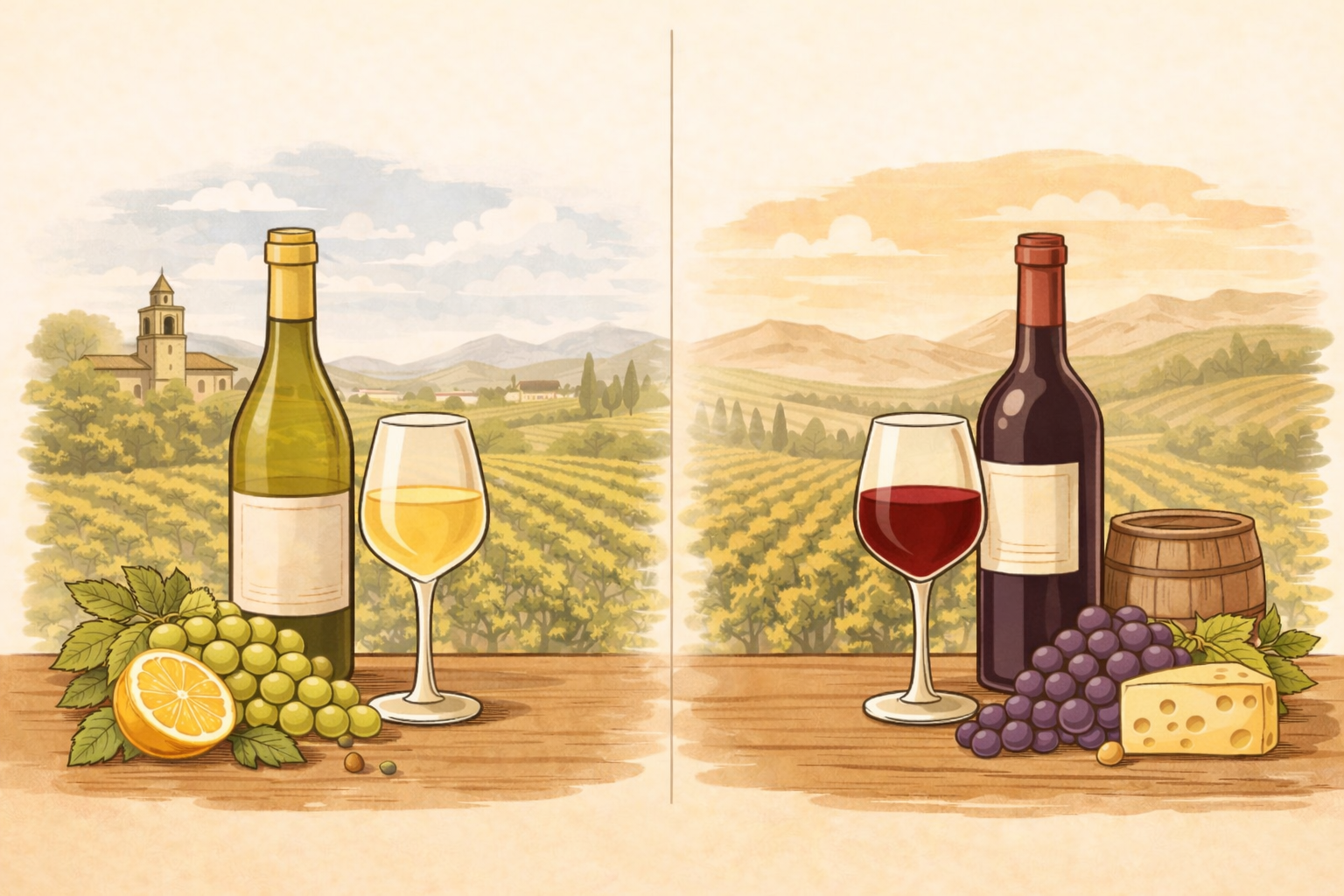
Most people choose wine by grape. Some choose by price. Some just point at a label and hope for the best. But if you want to consistently pick wines you’ll actually enjoy, there’s a better shortcut. Ask yourself one simple question: Do I want something fresh… or something rich? This single distinction is often more helpful than memorizing grape names or wine regions. It cuts through confusion and gets straight to how a wine will feel and taste in your glass. Let’s break it down.
What “Fresh” Wines Feel Like
Fresh wines are lifted, bright, and energetic. They tend to make your mouth water. They feel lighter on the palate and often leave you wanting another sip. They usually lean on higher acidity and lower oak influence. Think citrus, green apple, herbs, crunchy red berries, minerality, and clean finishes. When you choose a fresh wine, you’re choosing:
Crisp over creamy
Zippy over weighty
Refreshing over powerful
Fresh wines are often associated with cooler climates or more restrained winemaking styles — something you’ll notice when comparing regions, explained more in depth in our post Old World vs New World Wine.
Examples of fresh-leaning styles:
Sauvignon Blanc (especially from cooler climates)
Pinot Grigio
Albariño
Unoaked Chardonnay
Pinot Noir from cooler regions
These wines shine with lighter foods, salads, seafood, and casual sipping. They’re also forgiving when you’re not pairing with food at all. If you like drinks like sparkling water with lemon, iced tea, or lighter cocktails you probably lean fresh.
What “Rich” Wines Feel Like
Rich wines feel broader, deeper, and more textured. They coat your mouth. They linger. They often show ripe fruit, baking spices, vanilla, caramel, toast, and a fuller body. Alcohol may feel slightly warming. Oak aging is common. When you choose a rich wine, you’re choosing:
Creamy over crisp
Plush over tight
Bold over delicate
These styles are often associated with warmer climates or oak-forward winemaking, something you’ll see clearly in places like Napa Valley, where sun and ripeness create powerful, layered wines.
Examples of rich-leaning styles:
Oaked Chardonnay
Cabernet Sauvignon
Zinfandel
Syrah from warm regions
Amarone
Rich wines pair beautifully with roasted meats, pasta with cream sauces, barbecue, and slow-cooked dishes. They can feel more satisfying as a standalone evening glass. If you gravitate toward lattes, bourbon, or dark chocolate you probably lean rich.
Why This Distinction Works Better Than Grape Memorization
Here’s the truth: The same grape can taste fresh in one region and rich in another. A Chardonnay from a cool climate may feel lean and mineral. A Chardonnay from a warmer, oak-heavy region can feel creamy and powerful. That’s why simply asking “Do I like Chardonnay?” doesn’t always help. But asking “Do I want something fresh tonight… or something rich?” That works. This framework also makes it easier to follow the broader advice in How to Choose a Wine You’ll Like because you’re choosing based on preference, not prestige.
Fresh vs Rich Has Nothing to Do With Quality
Fresh isn’t “simple.” Rich isn’t “better.” They’re just different expressions. Wine culture sometimes makes bold, expensive bottles feel more important. But the most confident wine drinkers know this: Preference matters more than reputation. A crisp Albariño on a Tuesday night can be just as satisfying as a big Napa Cabernet on a Saturday.
Next time you’re at a wine shop or restaurant, pause before scanning labels. Ask yourself:
Do I want something light and energizing?
Or something deep and comforting?
Then use that answer to guide your choice. You’ll stop feeling overwhelmed. You’ll stop guessing. And you’ll start choosing intentionally.
The Bigger Picture
Understanding fresh vs rich is one of the most practical shortcuts in wine. It helps you:
Navigate wine lists faster
Understand regional differences
Recognize your own taste patterns
Build confidence without memorizing jargon
And once you notice your pattern, you’ll see it everywhere — from Old World vs New World styles to regional expressions like Napa Valley. Wine becomes simpler when you focus on how it feels. Fresh or rich. That’s it.
And that’s enough to choose well.
