
Learn Wine, One Glass at a Time
Practical, beginner friendly wine education to help you taste with confidence. From understanding labels and regions to pairing food and building your palate, we make wine approachable one guide at a time.
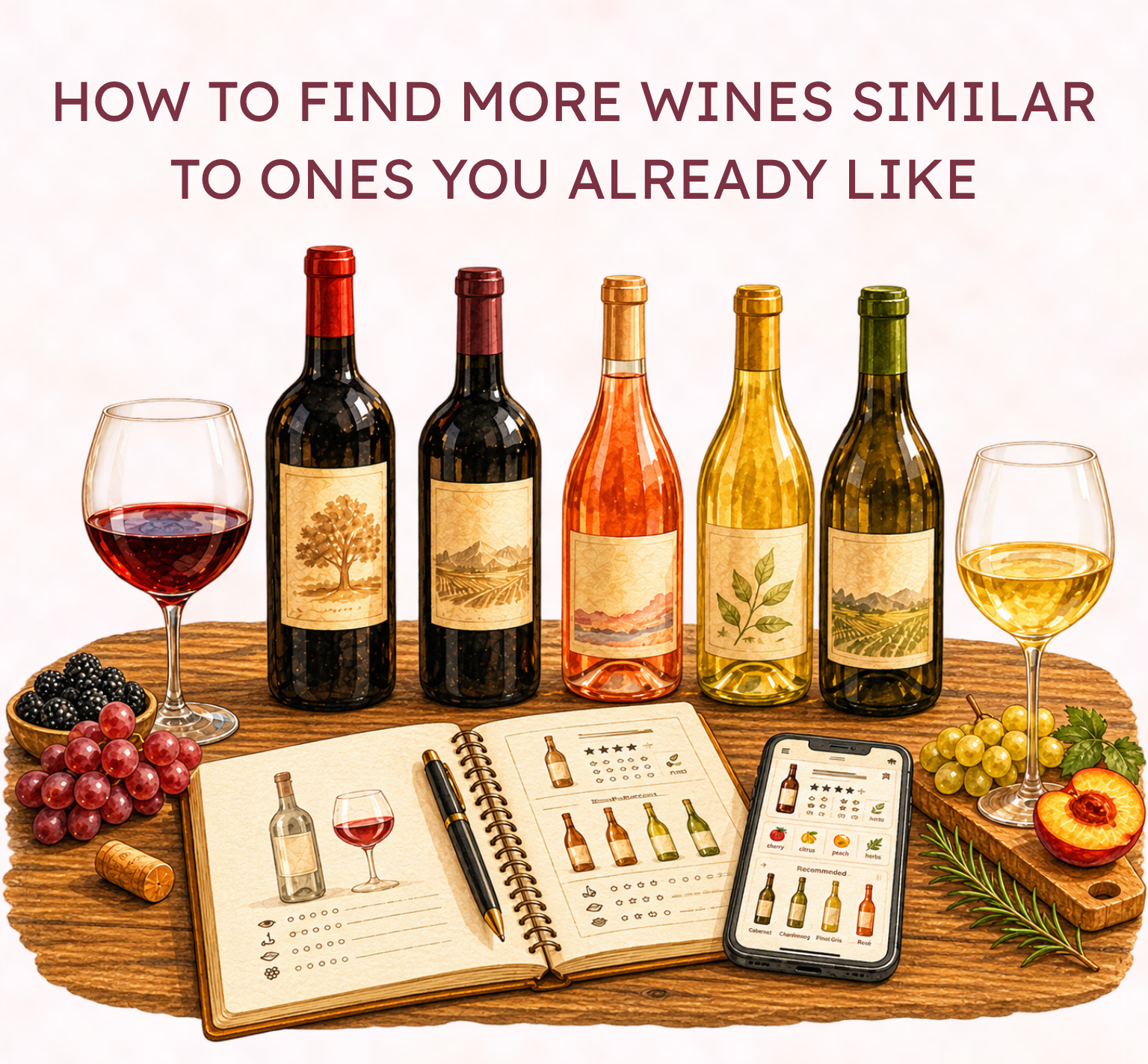
How to Find More Wines Similar to Ones You Already Like
Loved a bottle but not sure what to try next? Learn how to use body, acidity, sweetness, flavor, grape and region to find wines similar to ones you already enjoy.
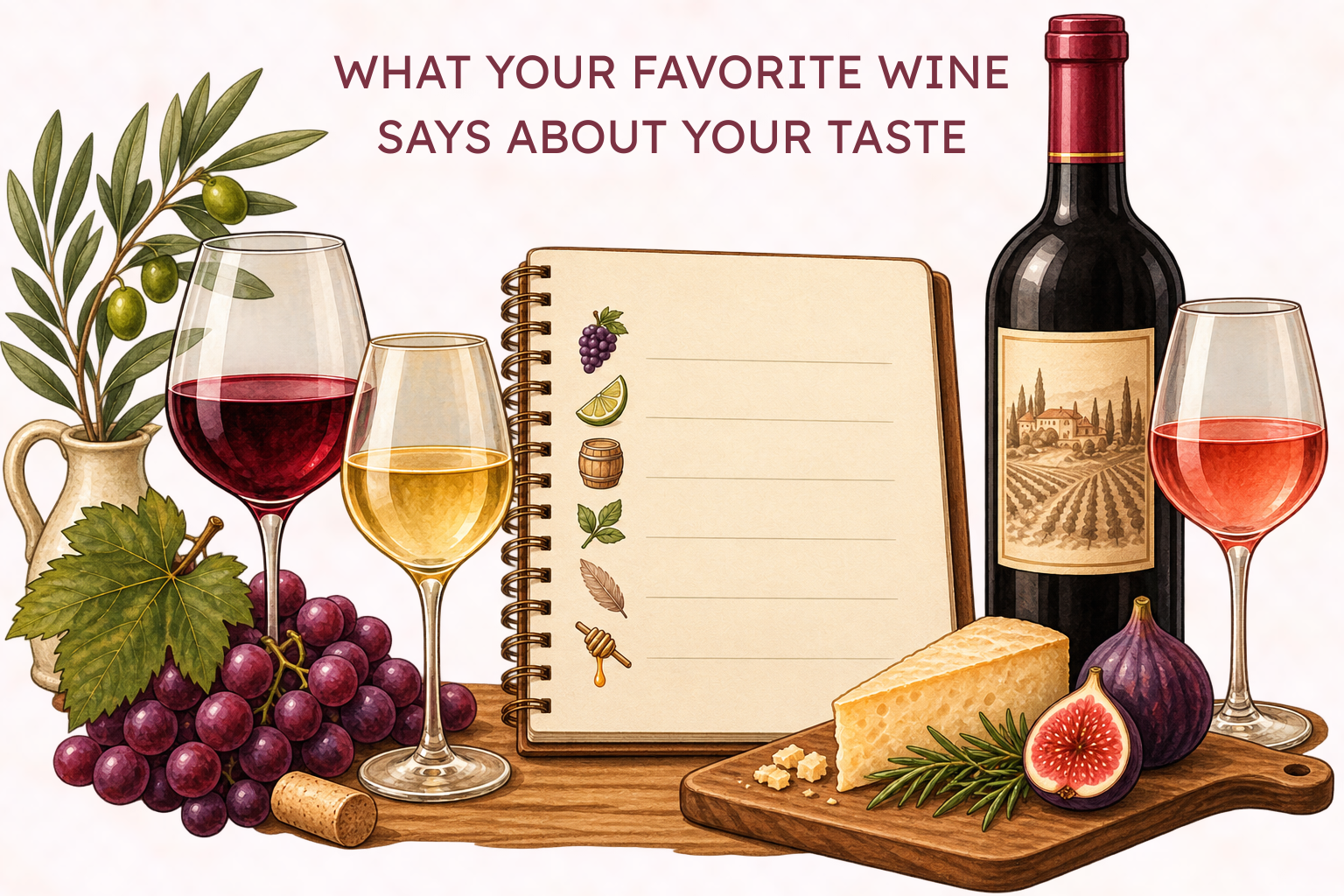
What Your Favorite Wine Says About Your Taste
Your favorite wine can reveal a lot about the flavors, body and styles you naturally enjoy. Learn what your go-to bottle says about your taste and how to use those preferences to discover wines you are more likely to love.
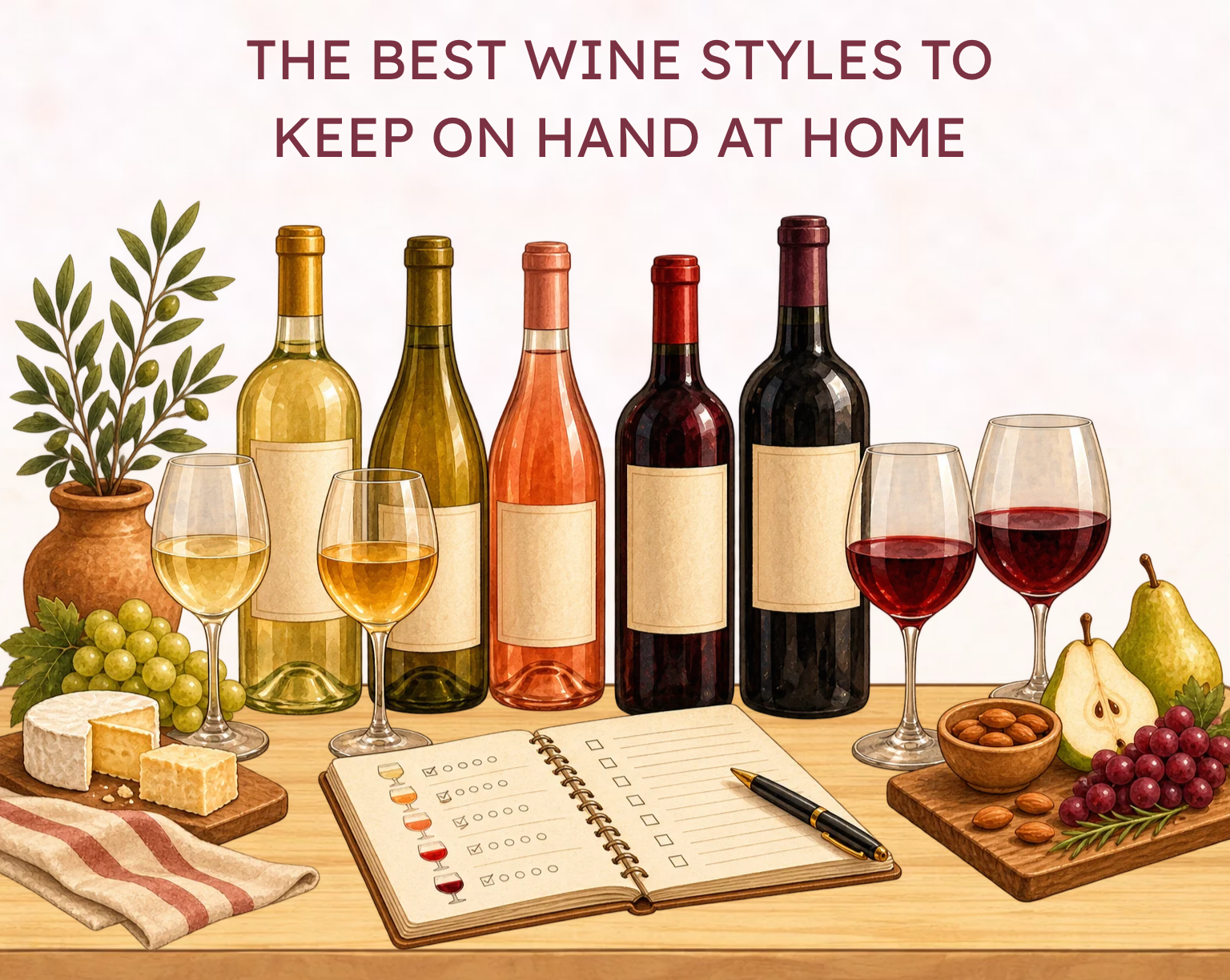
The Best Wine Styles to Keep on Hand at Home
Not sure which wines are worth keeping at home? A small mix of versatile wine styles can cover weeknight dinners, casual glasses and bigger meals without turning your wine rack into a full cellar. This guide breaks down the most useful styles to keep on hand and how to build your selection around what you actually enjoy drinking.
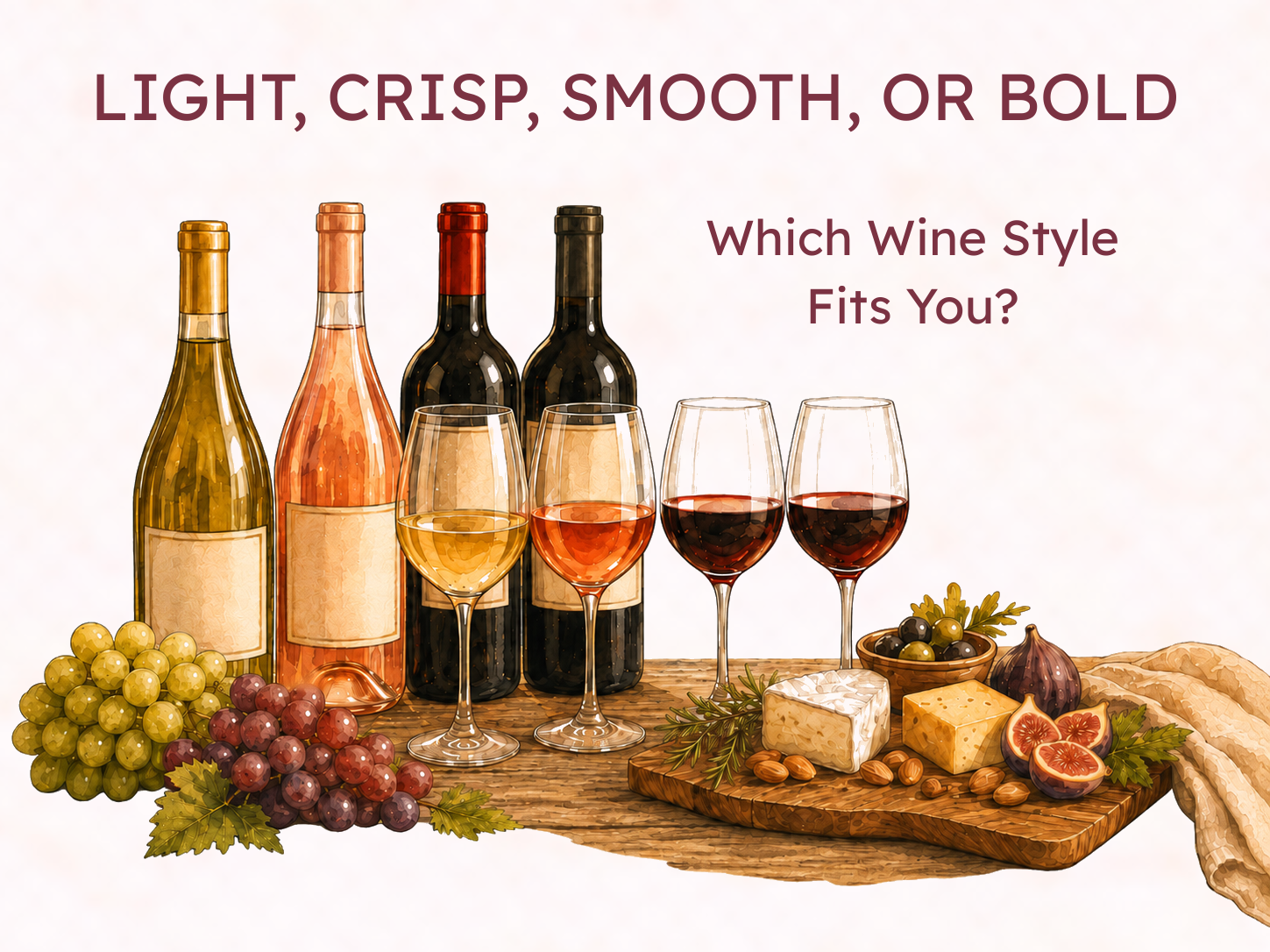
Light, Crisp, Smooth, or Bold: Which Wine Style Fits You?
Not sure whether you prefer light, crisp, smooth, or bold wines? This beginner-friendly guide breaks down the main wine styles so you can better describe what you like, shop with more confidence, and find bottles that actually fit your taste.
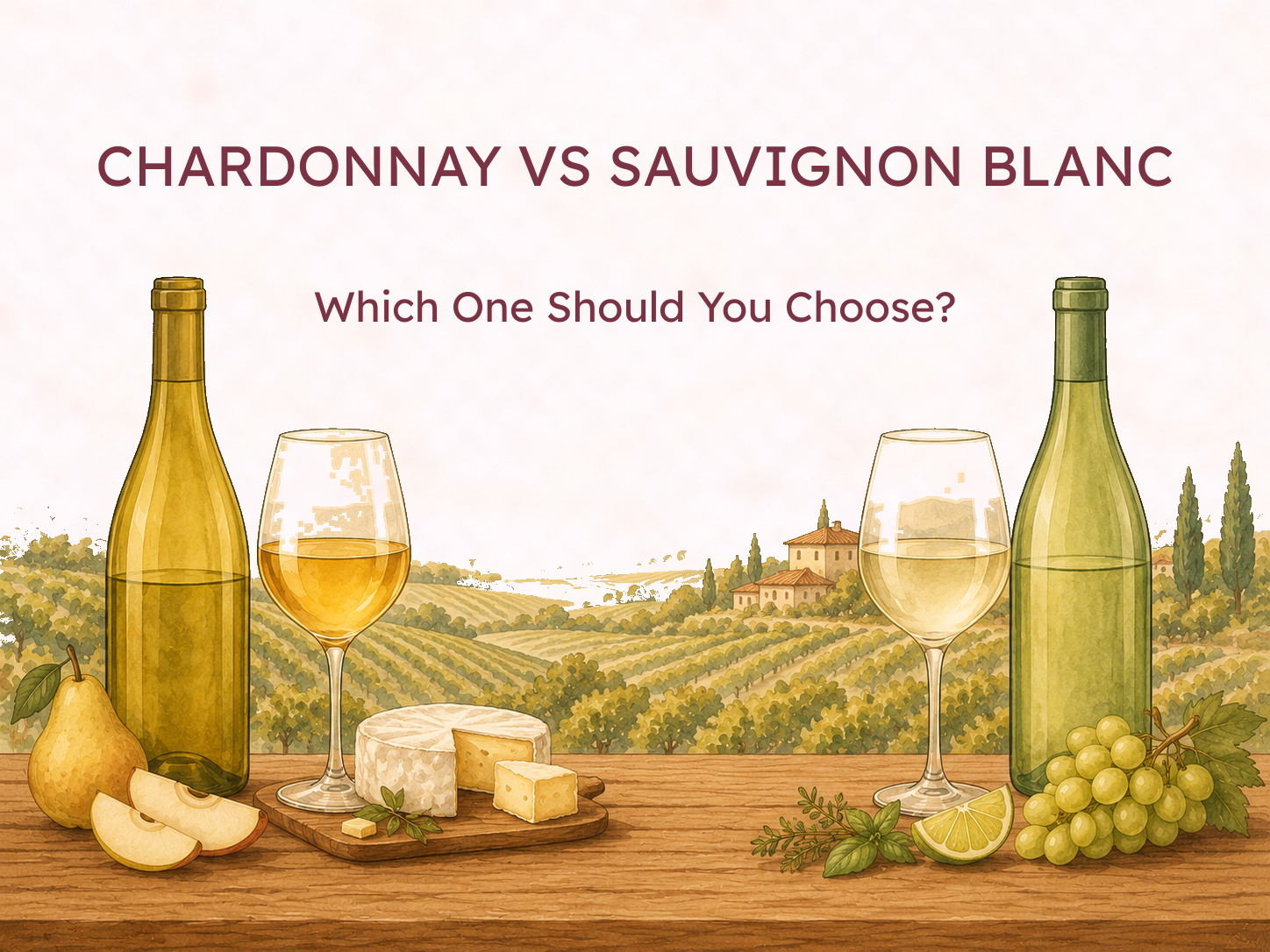
Chardonnay vs Sauvignon Blanc: Which One Should You Choose?
Chardonnay and Sauvignon Blanc are both popular white wines, but they offer very different experiences. Chardonnay is usually fuller, rounder, and sometimes creamy, while Sauvignon Blanc is typically crisp, citrusy, and refreshing. This beginner-friendly guide explains the difference in taste, food pairings, sweetness, and which one to choose based on what you actually like.
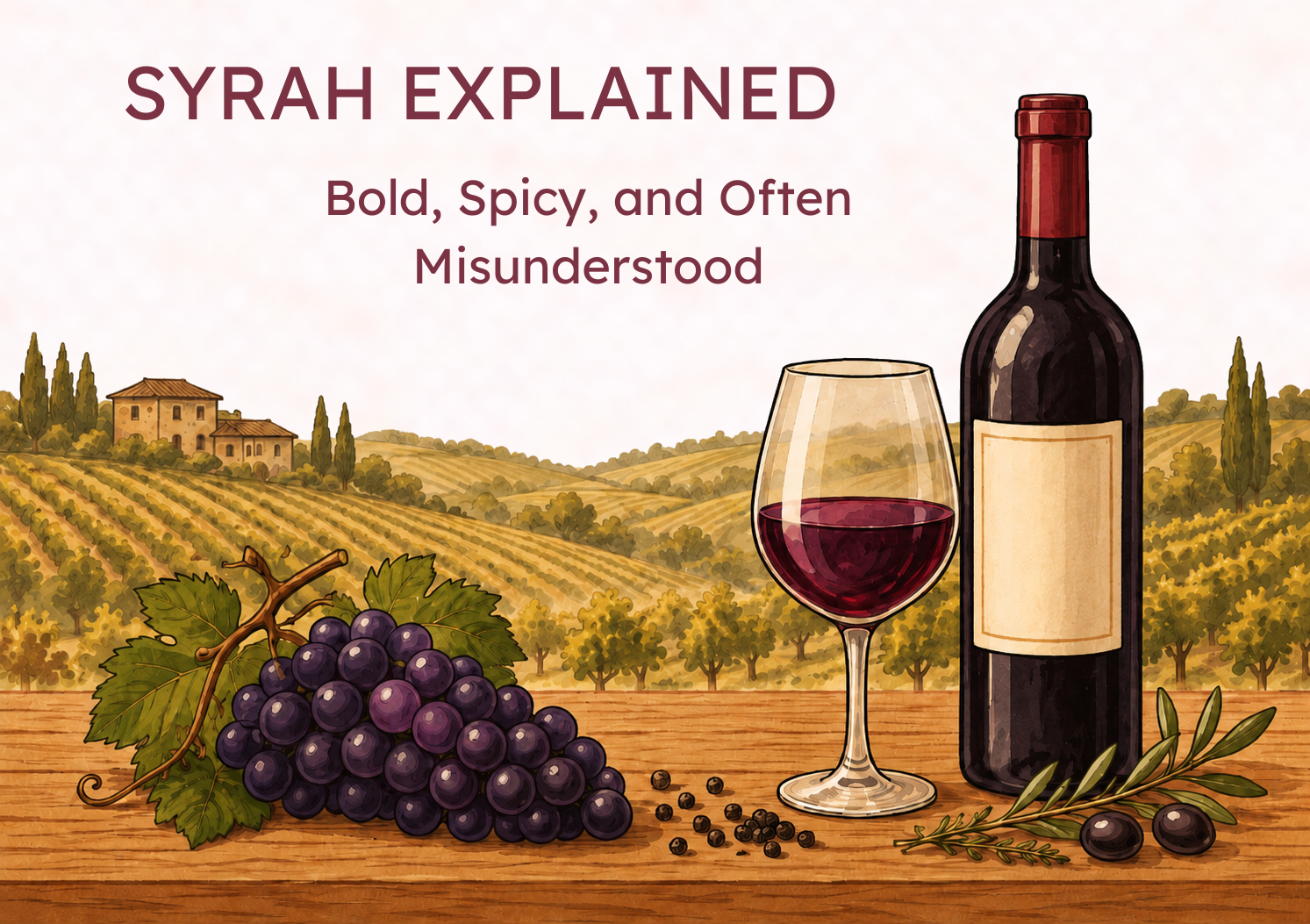
Syrah Explained: Bold, Spicy, and Often Misunderstood
Syrah is a bold red wine known for dark fruit, spice, and a savory edge. This beginner-friendly guide explains what Syrah tastes like, how it compares to Shiraz, Cabernet, and Merlot, and how to know if it fits your wine style.
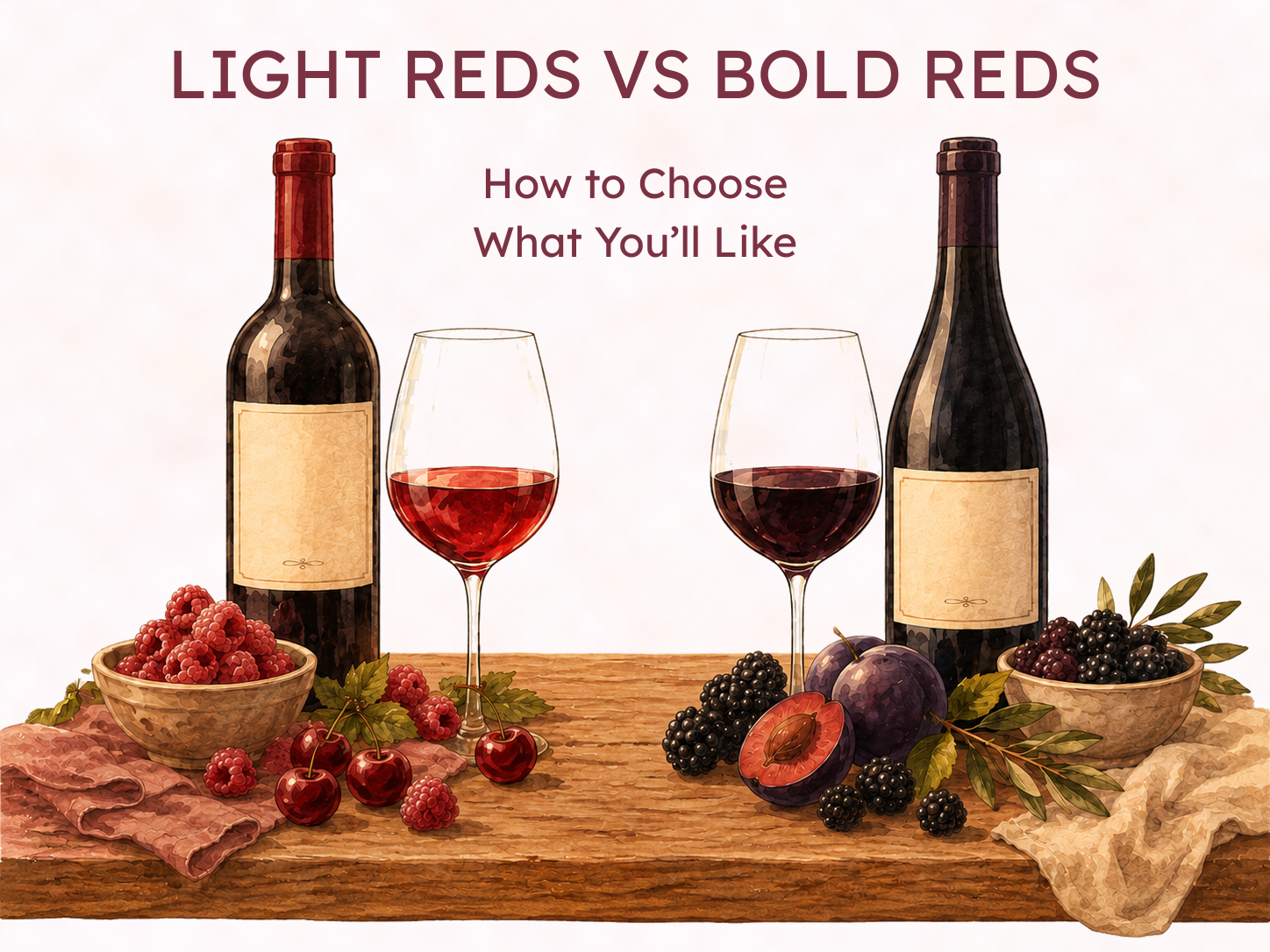
Light Reds vs Bold Reds: How to Choose What You’ll Like
Not all red wine is heavy, dry, or intense. This beginner-friendly guide explains the difference between light reds and bold reds so you can choose a bottle based on flavor, body, tannin, and the kind of wine you actually enjoy.
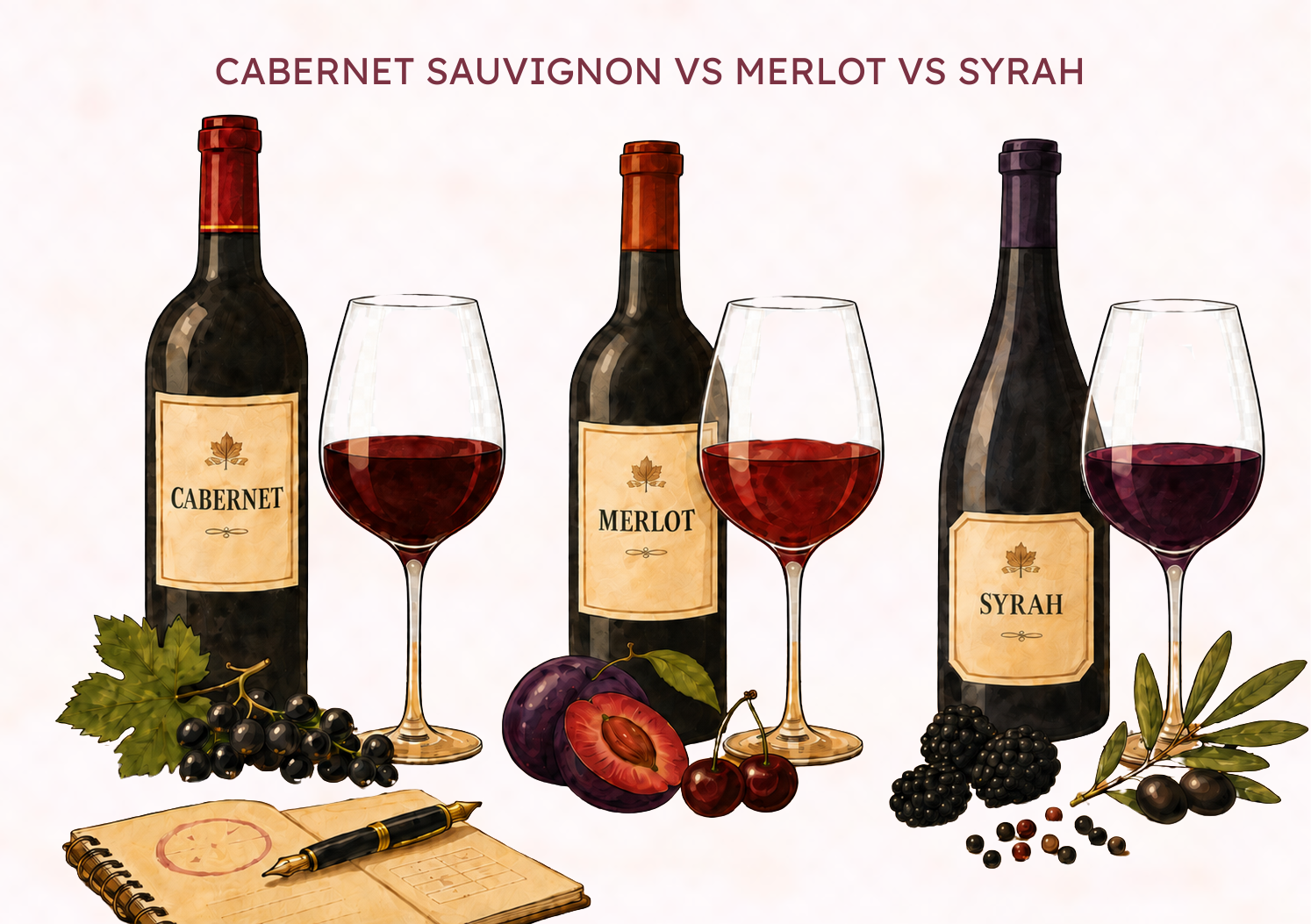
Cabernet vs Merlot vs Syrah: What’s the Difference?
Cabernet, Merlot, and Syrah can all be bold red wines, but they each bring something different to the glass. Cabernet is structured and tannic, Merlot is softer and smoother, and Syrah is dark, peppery, and savory. This guide breaks down the differences in a simple, practical way so you can choose the right red wine with more confidence.
Discover Your Wine Style
Take our quick quiz to uncover the wines you’ll love based on your tastes, mood, and lifestyle.
Quick & Easy
Takes less than 2 minutes
Personalized Results
Get wine recommendations that match your style
Better Choices, Every Time
Shop and explore with confidence
Not Sure Where to Start?
Essential Guides to help you build confidence with wine.
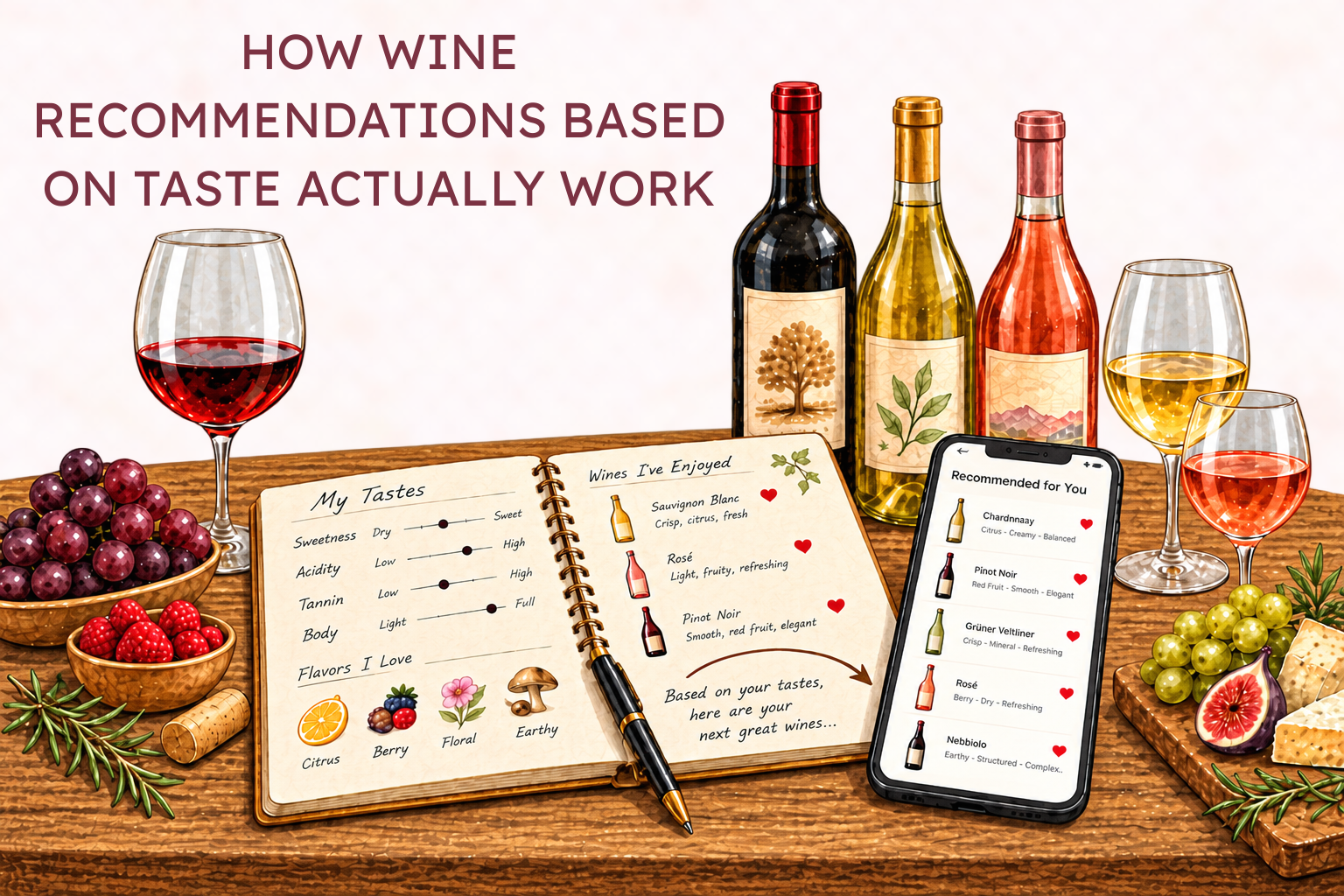
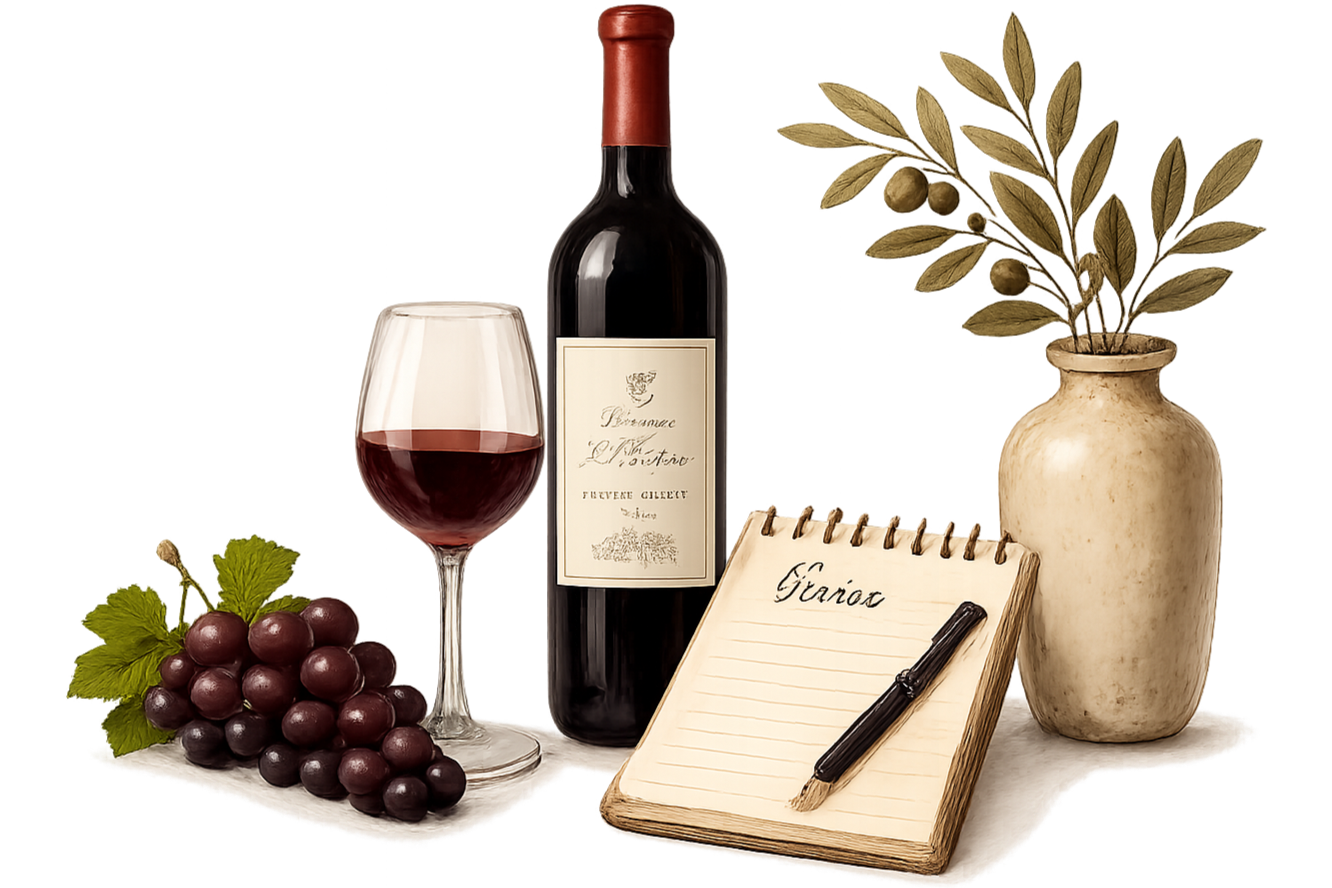
Remember the wines you actually enjoy.
Your free wine journal makes it easy to track what you love, learn from every bottle, and find your perfect pour.