
Sancerre Explained: What it Tastes Like and Why People Love it
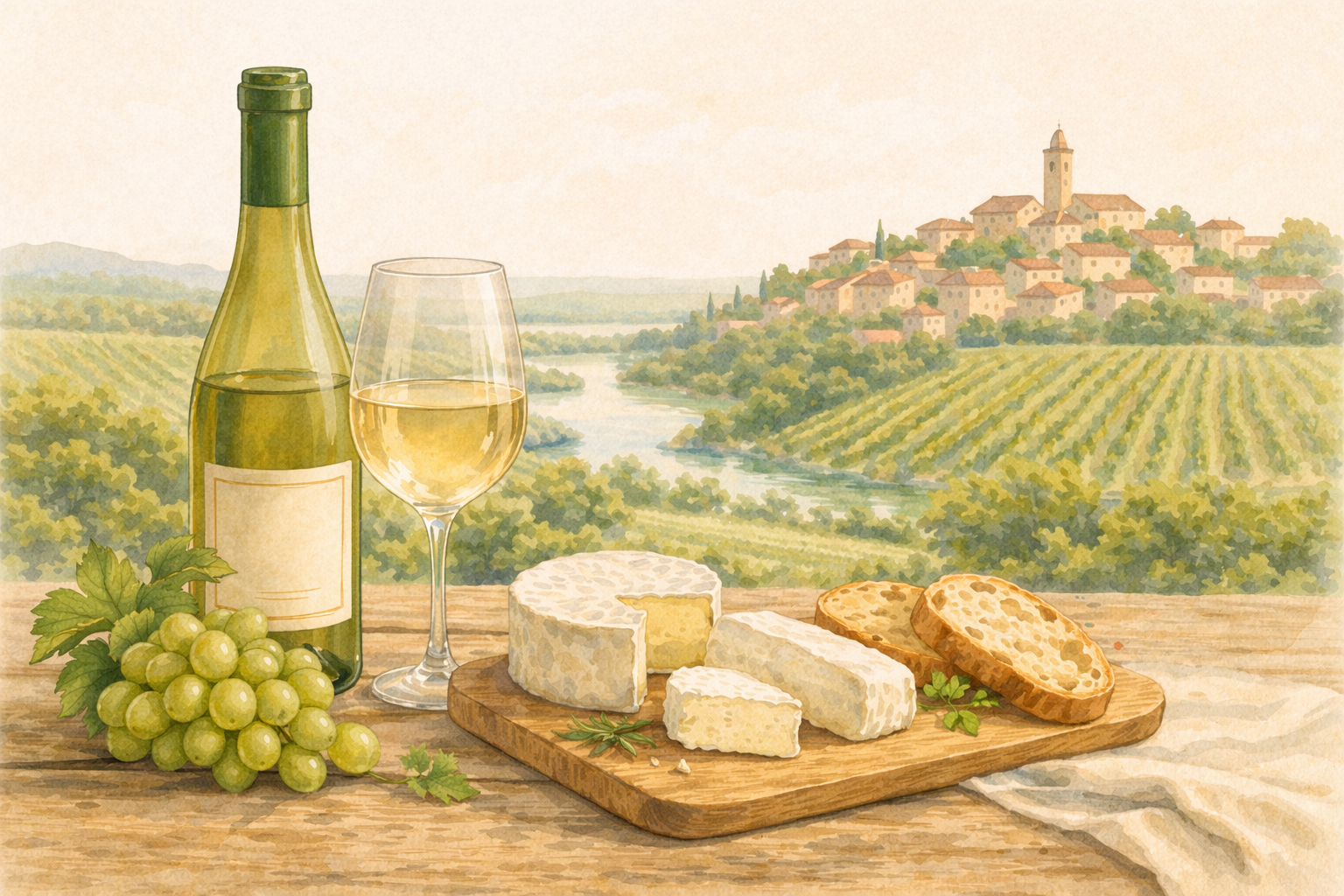
Sancerre has a reputation for being “the crisp white that always works.” You’ll see it on restaurant lists, at dinner parties, and in wine shops where it quietly sits in that “safe but still interesting” spot. But if you’ve ever picked up a bottle, there’s a good chance you’ve had the same thought most people do: What actually is this? It doesn’t say Sauvignon Blanc. It doesn’t explain itself. And unless you already know French wine, it’s not obvious what you’re getting. The good news is, Sancerre is much simpler than it looks.
What Sancerre Is
Sancerre is a white wine from the Loire Valley in France. And here’s the key that makes everything click: Sancerre is almost always Sauvignon Blanc. That’s it. So even though the label doesn’t say the grape, what’s in the bottle is usually the same grape you’d find in Sauvignon Blanc from places like New Zealand or California just shaped by a different environment.
If you want a baseline for how that grape behaves, it helps to read this alongside Sauvignon Blanc Explained. And for a broader sense of the region, the Loire Valley Wine Guide gives helpful context.
What Sancerre Tastes Like
Sancerre is all about freshness and clarity. Most bottles lean into:
lemon and grapefruit
green apple
fresh herbs
a subtle mineral edge (often more of a texture than a flavor)
But what really defines Sancerre isn’t just the flavor, it’s the feel. It’s usually light to medium-bodied, with high acidity that makes each sip feel clean and mouthwatering. There’s a kind of precision to it. Nothing feels heavy or overdone. If you’ve ever had a wine that made you immediately want another sip because it felt so refreshing, you’ve already experienced what Sancerre does well.
Why Sancerre Tastes Different from Other Sauvignon Blanc
Even though it’s the same grape, Sancerre often feels very different from other Sauvignon Blancs. The biggest reason is climate. The Loire Valley is relatively cool, which keeps the fruit profile more citrus-driven and less tropical. You’re more likely to taste lemon and green apple than mango or passionfruit. Soil plays a role also. Sancerre’s mix of limestone and flint tends to show up as a subtle mineral or chalky texture. Not something you consciously taste, but something you notice.
And then there’s winemaking. Many producers here aim for restraint and clarity rather than bold aromatics, which leads to wines that feel more composed and structured.
Why People Love Sancerre
Sancerre isn’t trying to impress you with big flavors. It works because it’s consistent. You can order it at a restaurant or grab a bottle from a shop and have a pretty good idea of what you’re getting: something crisp, dry, and refreshing that won’t feel heavy or overwhelming. It’s the kind of wine people reach for when they don’t want to overthink things. And that’s more valuable than it sounds.
What to Eat with Sancerre
Sancerre is famous for pairing with goat cheese (especially Loire-style chèvre), but it works with a lot more than that. It’s especially good with:
goat cheese and other fresh cheeses
seafood like oysters, shrimp, or grilled fish
salads, herbs, and citrus-based dishes
lighter meals where you want something refreshing, not heavy
If you’re ordering for a group and not sure what direction to go, Sancerre is one of the safest choices you can make.
Is Sancerre “Worth It”?
Sancerre is often priced a little higher than basic Sauvignon Blanc. So the natural question is whether it’s actually worth it. The honest answer depends on what you’re looking for. If you want bold, fruity, attention-grabbing wine, Sancerre might feel a little understated. But if you value balance, structure, and that clean, precise feeling in the glass, it can absolutely be worth it.
Before you buy, it helps to ask a simple question: What am I actually paying for. Name, reputation, or style? That’s exactly the kind of thinking we walk through in our post How to Tell If a Wine Is “Worth It” Before You Buy It.
What Liking Sancerre Tells You About Your Taste
If Sancerre clicks for you, that’s useful information. It usually means you’re drawn to wines that are lighter, higher in acidity, and more about freshness than richness. You probably lean toward citrus, herbs, and mineral notes over heavier, creamy styles. That gives you a direction. You’re more likely to enjoy wines that feel clean and structured rather than soft and round—and that makes choosing wine a lot easier over time.
Final Take
Sancerre isn’t complicated it just sits in a really useful sweet spot. It’s bright, dry, structured, and easy to trust. At its core, it’s just Sauvignon Blanc shaped by place. But that “place” is what gives it its character. And once you start recognizing that pattern, French wine stops feeling confusing and starts feeling consistent.
If you’ve had a Sancerre you liked (or even one you didn’t) that’s actually useful. It tells you something about whether you prefer wines that are crisp and high-acid or something softer and richer. That’s the kind of pattern that gets easier to spot over time.
Somm Scribe is built for exactly that, helping you log what you try, remember what stood out, and connect those dots so choosing wine gets easier every time.
