
Chardonnay vs Sauvignon Blanc: Which One Should You Choose?
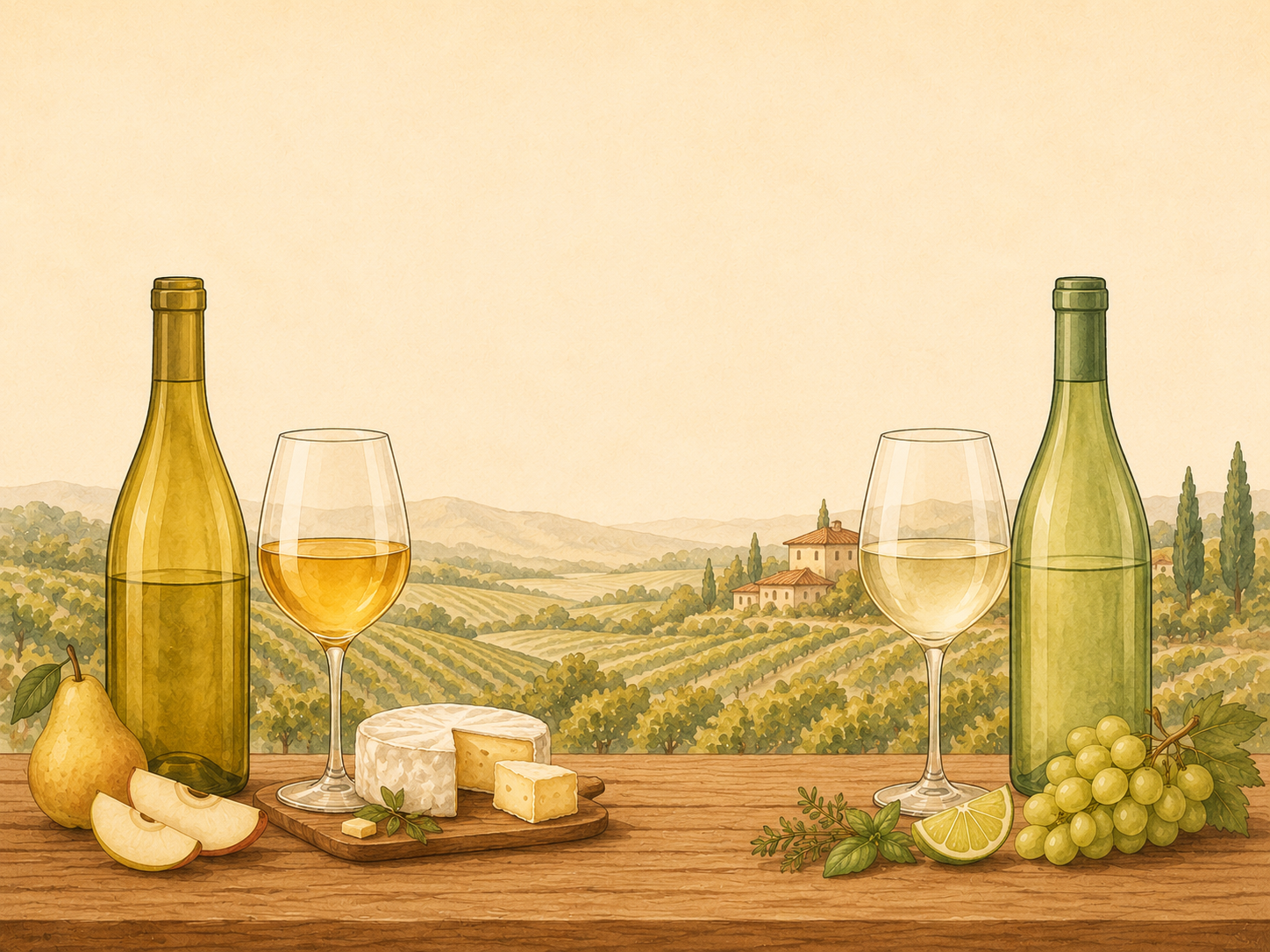
Choosing between Chardonnay and Sauvignon Blanc sounds simple. They’re both white wines. They’re both easy to find. They both show up on restaurant lists, grocery store shelves, and “safe bottle to bring to dinner” conversations. But they usually give you very different drinking experiences. One often feels fuller, rounder, and richer. The other usually feels sharper, brighter, and more refreshing. That difference matters because if you pick the wrong one for your mood, meal, or taste preference, white wine can feel confusing fast. So let’s make it easier.
The Simple Difference Between Chardonnay and Sauvignon Blanc
Here’s the easiest way to think about it. Chardonnay is usually richer, rounder, and fuller-bodied. Sauvignon Blanc is usually fresher, zippier, and more crisp. That’s not true for every bottle, because wine loves making everything slightly annoying. But as a beginner rule, it works really well. If you want something smooth, creamy, or a little more substantial, Chardonnay is often the better choice. If you want something bright, citrusy, refreshing, and easy to sip, Sauvignon Blanc is probably the safer bet.
A lot of the difference comes down to wine style. Some wines feel fresh and energetic. Others feel richer and softer. If that idea is new to you, this guide to Fresh vs Rich Wines can help make the whole thing click.
What Chardonnay Usually Tastes Like
Chardonnay can taste very different depending on where it’s grown and how it’s made. That’s part of why beginners get tripped up by it. One Chardonnay might taste like green apple, lemon, and pear. Another might taste like butter, vanilla, oak, and baked apple. They’re both Chardonnay, but they feel like totally different wines. In general, Chardonnay often has flavors like:
Apple
Pear
Lemon
Peach
Vanilla
Butter
Toast
Oak
The richer versions are usually what people think of when they say “classic Chardonnay.” These wines can feel creamy, round, and full. That buttery flavor some people love and some people absolutely do not usually comes from winemaking choices, not just the grape itself. So if you’ve had one Chardonnay and hated it, don’t write off the whole category yet. You may have just had a heavily oaked, buttery style when you would prefer a lighter, fresher one. For a deeper breakdown, read the full guide to Chardonnay Flavor and Styles.
What Sauvignon Blanc Usually Tastes Like
Sauvignon Blanc is usually much more direct. It tends to be crisp, aromatic, and refreshing. It often smells intense before you even take a sip. Common Sauvignon Blanc flavors include:
Lime
Grapefruit
Lemon
Green apple
Passion fruit
Gooseberry
Fresh herbs
Grass
That grassy or herbal note can surprise people at first. In some bottles, it’s subtle and fresh. In others, it can be pretty bold. Sauvignon Blanc is also known for high acidity, which means it tends to make your mouth water. That’s why it feels so refreshing, especially with lighter foods, warm weather, or anything salty. If Chardonnay is the white wine you settle into, Sauvignon Blanc is the white wine that wakes everything up. For more detail, here’s the beginner guide to Sauvignon Blanc Explained.
Which One Is Sweeter?
Usually, neither Chardonnay nor Sauvignon Blanc is sweet. Most bottles you see at restaurants or grocery stores are dry, which means they do not have much noticeable sugar. But here’s where beginners get understandably confused. Chardonnay can sometimes feel sweeter because it is rounder, fuller, or has flavors like vanilla, ripe apple, or baking spices. That does not necessarily mean it has more sugar.
Sauvignon Blanc can feel less sweet because it is usually more acidic and citrusy. So if you’re asking, “Which one is sweeter?” the real answer is most of the time, neither. Chardonnay may just feel softer and fruitier. Sauvignon Blanc usually feels sharper and more tart. That distinction helps a lot.
Which One Is More Refreshing?
Sauvignon Blanc. Not always, but usually. Because Sauvignon Blanc tends to have higher acidity and brighter citrus flavors, it often feels more refreshing than Chardonnay. It’s the kind of wine that works well when you want something crisp, cold, and lively. Think patio drinking, seafood, salads, goat cheese, grilled vegetables, or a casual glass before dinner. Chardonnay can still be refreshing, especially unoaked Chardonnay. But richer, oaked Chardonnay is usually more about texture and depth than pure refreshment.
Which One Is Better With Food?
Both can be great with food, but they work with different kinds of meals. Choose Sauvignon Blanc with:
Seafood
Goat cheese
Green salads
Asparagus
Herby chicken
Sushi
Lemon-based dishes
Fresh vegetables
Sauvignon Blanc works especially well when the food is bright, tangy, salty, green, or herbal.
Choose Chardonnay with:
Roast chicken
Creamy pasta
Butter sauces
Lobster
Salmon
Pork
Risotto
Dishes with mushrooms or roasted vegetables
Chardonnay is usually better when the food is richer, creamier, or more savory.
The easiest pairing rule, if the food feels fresh and zippy, try Sauvignon Blanc. If the food feels rich and comforting, try Chardonnay. Not perfect. Very useful.
Which One Should You Choose If You’re New to Wine?
Start with Sauvignon Blanc if you want something easy to understand. That doesn’t mean it’s better. It just tends to be more obvious. You’ll usually notice the citrus, acidity, and freshness right away. It gives you clear signals. Chardonnay can be a little more complicated because the style varies so much. Some bottles are lean and mineral. Some are tropical and fruity. Some are creamy and buttery. Some taste like they spent a long weekend inside a lumberyard.
If you’re new to wine and want a simple starting path, try starting with a Sauvignon Blanc from New Zealand or California if you want bright, citrusy, refreshing flavor. Then try an unoaked Chardonnay if you want something still fresh, but a little rounder. Then try an oaked Chardonnay if you want to understand the richer, creamier side. That gives you a much better comparison than randomly buying one bottle of each and hoping for the best.
Choose Chardonnay If…
Choose Chardonnay if you like white wines that feel fuller, smoother, or more rounded. It’s probably the better pick if you enjoy:
Creamy textures
Ripe apple or pear flavors
Vanilla or baking spice notes
Wines that feel softer instead of sharp
White wine with richer meals
A glass that feels more substantial
Chardonnay is also a great choice if you usually like red wine but want to explore white wine. It often has more body and texture than lighter white wines, which can make the transition easier.
Choose Sauvignon Blanc If…
Choose Sauvignon Blanc if you like white wines that feel crisp, bright, and refreshing. It’s probably the better pick if you enjoy:
Citrus flavors
Tart fruit
Mouthwatering acidity
Clean, refreshing finishes
Lighter foods
A wine that feels lively instead of creamy
Sauvignon Blanc is also a good choice if you’ve tried white wines before and thought they felt too heavy, too buttery, or too flat. It has energy. Sometimes a lot of energy.
The Biggest Mistake Beginners Make
The biggest mistake is assuming one grape always tastes one way. Especially Chardonnay. A buttery California Chardonnay and a crisp unoaked Chardonnay can feel like they belong in completely different categories. Sauvignon Blanc has variation too. New Zealand Sauvignon Blanc can be intensely citrusy and tropical. Loire Valley Sauvignon Blanc can feel more mineral, restrained, and herbal. California versions can land somewhere in between.
So don’t just ask, “Do I like Chardonnay? Ask: What kind of Chardonnay did I try? Same with Sauvignon Blanc. The more specific you get, the faster your preferences start making sense.
A Simple Side-by-Side Tasting
If you want to actually learn the difference, buy one bottle of Chardonnay and one bottle of Sauvignon Blanc and taste them next to each other. You do not need to make it fancy. Pour a small glass of each and ask:
Which one smells brighter?
Which one feels sharper?
Which one feels fuller?
Which one makes your mouth water more?
Which one would you rather drink with food?
Which one would you rather drink by itself?
That’s how wine starts to become less random. You’re not trying to “get it right.” You’re trying to notice what you actually enjoy.
So, Which One Should You Choose?
Choose Sauvignon Blanc when you want something crisp, citrusy, refreshing, and easy to drink. Choose Chardonnay when you want something fuller, rounder, smoother, or better suited to richer food. That’s the real difference. Sauvignon Blanc is usually about brightness. Chardonnay is usually about texture.
Once you understand that, the choice gets a lot easier. And if you’re still unsure, don’t overthink it. Try them side by side and pay attention to which one you want a second glass of. That answer is usually more useful than anything printed on the bottle.
Want to remember which wines you actually liked? Somm Scribe helps you track what you taste, notice patterns, and build confidence one bottle at a time. Try it the next time you compare two wines side by side.
