
Cabernet Sauvignon for Beginners: Flavor, Pairings & How to Taste It
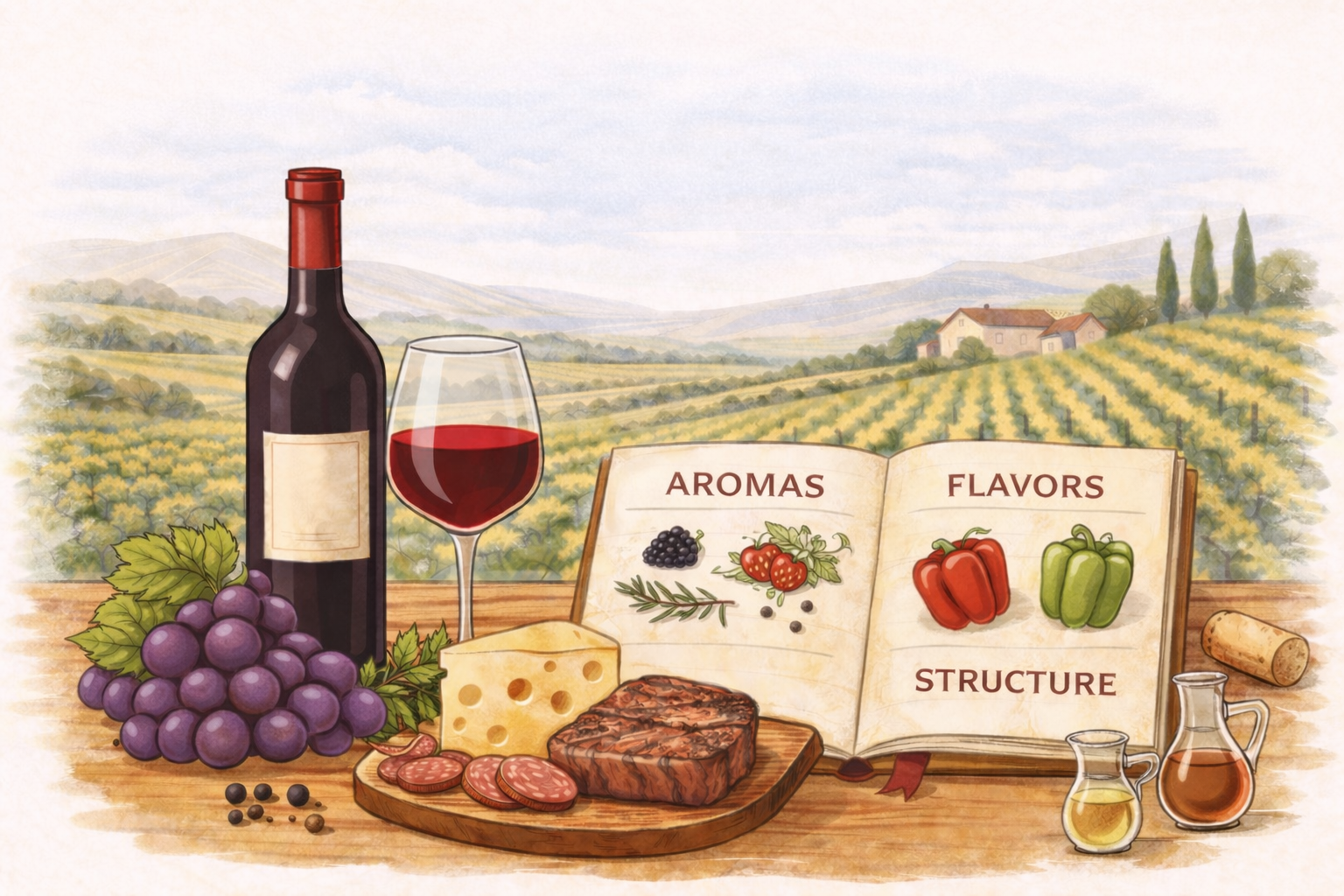
Cabernet Sauvignon is one of the world’s most popular red wines — bold, structured, and packed with flavor. If you’re new to wine or just dipping your toes into bigger reds, Cabernet is the perfect place to start. This beginner’s guide breaks down what Cabernet tastes like, how to identify its aromas, what foods it pairs best with, and how to taste it properly. By the end, you’ll feel confident ordering, selecting, and describing Cabernet like someone who knows what they’re doing.
What Does Cabernet Sauvignon Taste Like?
Cabernet Sauvignon is known for three defining traits:
1. Dark Fruit Flavors
Cabernet almost always leads with bold fruit notes such as:
Blackcurrant (cassis)
Blackberry
Black cherry
Plum
These flavors come from the grape itself and are among the easiest for beginners to identify.
2. Firm Tannins
Tannins are the drying, slightly gripping sensation you feel on your gums and cheeks. Cabernet has high tannins, giving it structure and age-worthiness. If you’re new to tannins, think of the sensation of strong black tea — Cabernet’s tannins feel similar.
3. Medium to Full Body
Cabernet is typically fuller-bodied, meaning:
Richer mouthfeel
More weight on the palate
Stronger flavor concentration
This is a primary reason it pairs well with hearty foods like steak and lamb.
Aroma Guide: What You’ll Smell in Cabernet
Cabernet’s aromatic profile varies depending on where it’s grown, but the core categories are consistent and beginner-friendly.
Fruit Aromas
Blackcurrant
Blackberry
Black cherry
Herbal/Green Aromas
Many Cabernets have a subtle “green” character:
Green bell pepper
Eucalyptus
Mint
Dried herbs
These notes are especially common in cooler climates or more “Old World” styles.
Oak Aromas
Because Cabernet is often aged in oak barrels, you may pick up notes of:
Vanilla
Tobacco
Cedar
Baking spices
These warm, sweet-smelling aromas make Cabernet approachable even with its firm tannins.
Old World vs. New World Cabernet Sauvignon
Understanding this difference makes Cabernet way easier to navigate.
Old World Cabernet (France, Italy)
More earthy and herbal
Lighter fruit expression
Higher acidity
Leaner structure
Examples: Bordeaux blends, particularly Left Bank (Medoc, Pauillac, Margaux)
New World Cabernet (U.S., Chile, Australia)
Riper, juicier fruit flavors
Softer tannins
Fuller body
More oak-driven notes
Examples: California Cabernet (Napa, Sonoma), Washington State, Chile’s Maipo Valley
Best Food Pairings for Cabernet Sauvignon
Cabernet is a pairing powerhouse, especially with rich, fatty, or savory dishes.
Perfect Pairings
Ribeye steak
Lamb chops
Burgers
Short ribs
Aged cheddar
Mushrooms
Rosemary and thyme dishes
Why it works? High tannins + fat = perfect balance. The fat softens the tannins, while the tannins cut through the fattiness, creating harmony.
Vegetarian-Friendly Pairings
Portobello mushrooms
Lentil stew
Black bean burgers
Eggplant dishes
Hard cheeses
Think hearty, earthy, and umami-rich.
How to Taste Cabernet as a Beginner
You don’t need fancy technique — just pay attention to three things:
1. Smell the wine first
Swirl gently, then smell in both long and short sniffs. Ask yourself:
Do I smell dark fruit?
Any green/herbal notes?
Any warm oak notes like vanilla or spice?
This sets the stage for everything else.
2. Pay attention to tannins
Take a sip and notice:
Do your gums or cheeks feel dry?
Do they grip slightly?
Do the tannins feel rough, soft, or silky?
Cabernet tannins can vary widely.
3. Think about the “finish”
After you swallow:
Do the flavors linger?
How long do they stay?
A long finish is a trademark of good Cabernet.
Why Cabernet Is a Great Wine to Learn With
It’s consistent
It has distinct aromas
It shows tannins clearly
It’s grown everywhere
It’s age-worthy but approachable
Learning Cabernet helps you understand:
fruit vs. oak
tannin structure
acidity levels
Old World vs. New World styles
It’s basically Wine Education 101 in a glass.
Start Logging Cabernet in Somm Scribe
The best way to understand Cabernet is to taste a few side-by-side and record your impressions. With Somm Scribe, you can:
Track aromas
Compare structure
Save your favorites
Build confidence in your palate
Start your free tasting journal at Somm Scribe. Cabernet is just the beginning — let’s build your palate one glass at a time.
