
Learn Wine, One Glass at a Time
Practical, beginner friendly wine education to help you taste with confidence. From understanding labels and regions to pairing food and building your palate, we make wine approachable one guide at a time.
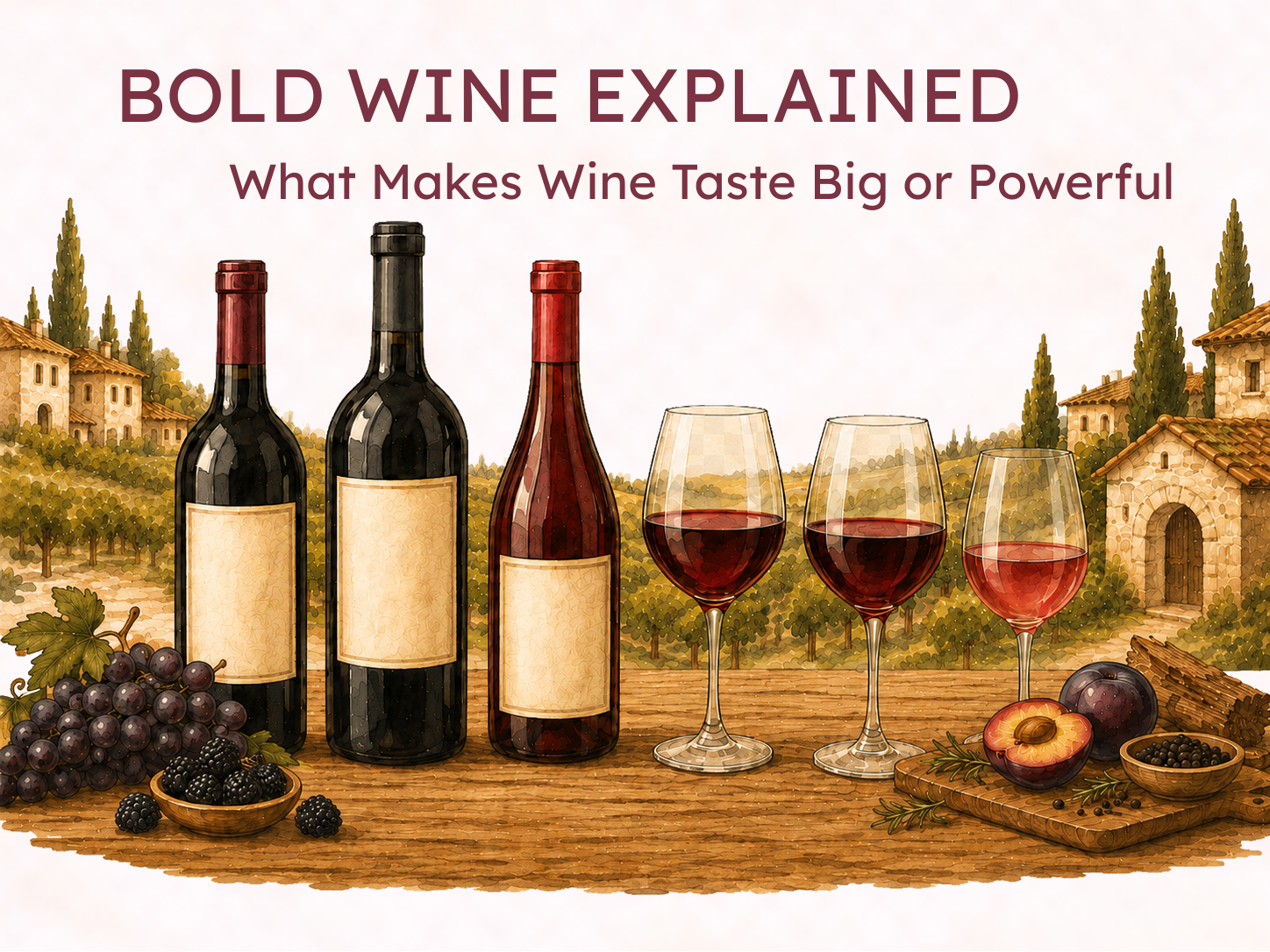
Bold Wine Explained: What Makes a Wine Taste Big or Powerful
Bold wine can sound intimidating, but it simply describes wines that feel full, powerful, rich, or intense. Learn how body, tannin, alcohol, oak, and flavor concentration make a wine taste big — and how to tell whether bold wines fit your palate.
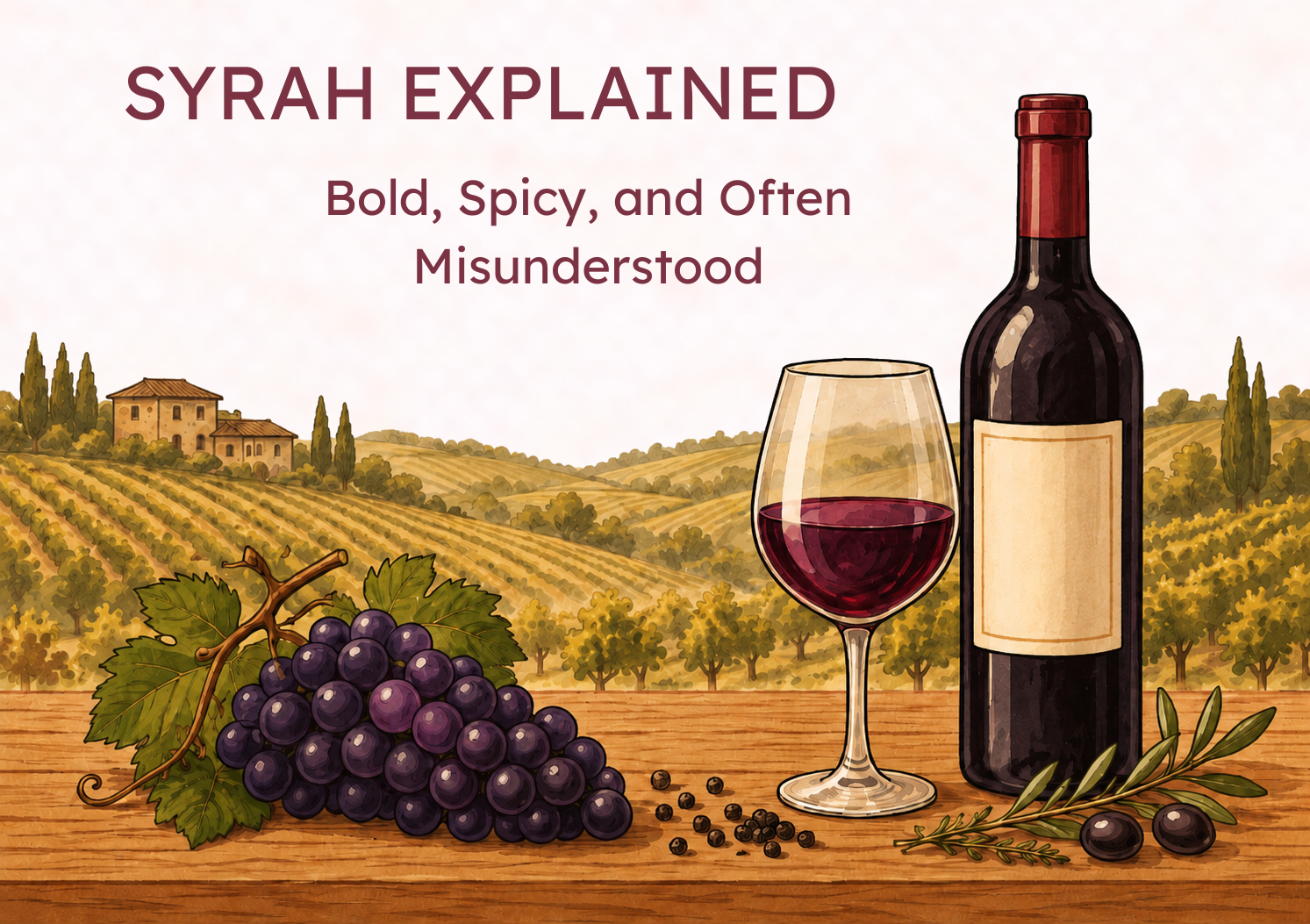
Syrah Explained: Bold, Spicy, and Often Misunderstood
Syrah is a bold red wine known for dark fruit, spice, and a savory edge. This beginner-friendly guide explains what Syrah tastes like, how it compares to Shiraz, Cabernet, and Merlot, and how to know if it fits your wine style.
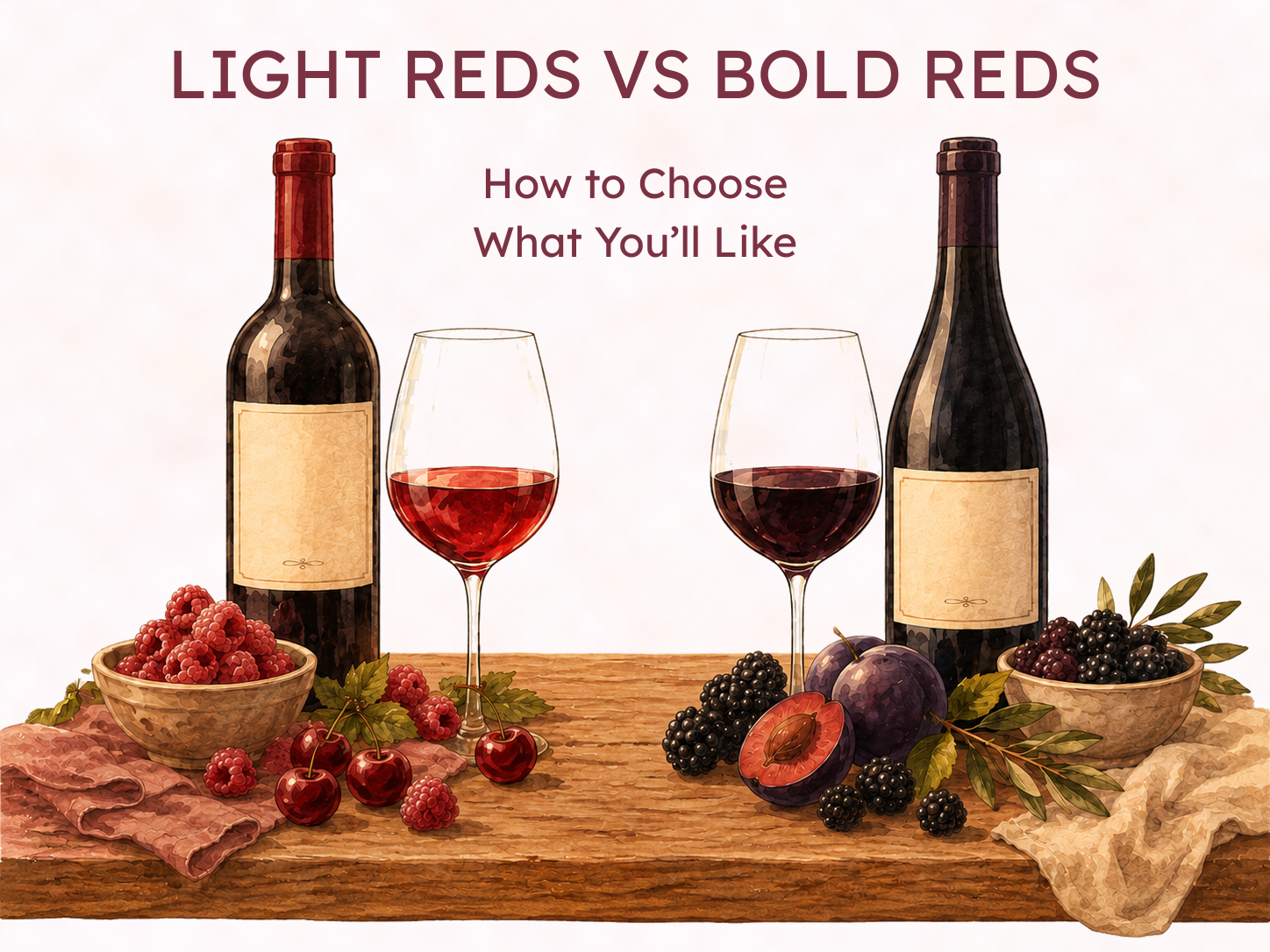
Light Reds vs Bold Reds: How to Choose What You’ll Like
Not all red wine is heavy, dry, or intense. This beginner-friendly guide explains the difference between light reds and bold reds so you can choose a bottle based on flavor, body, tannin, and the kind of wine you actually enjoy.
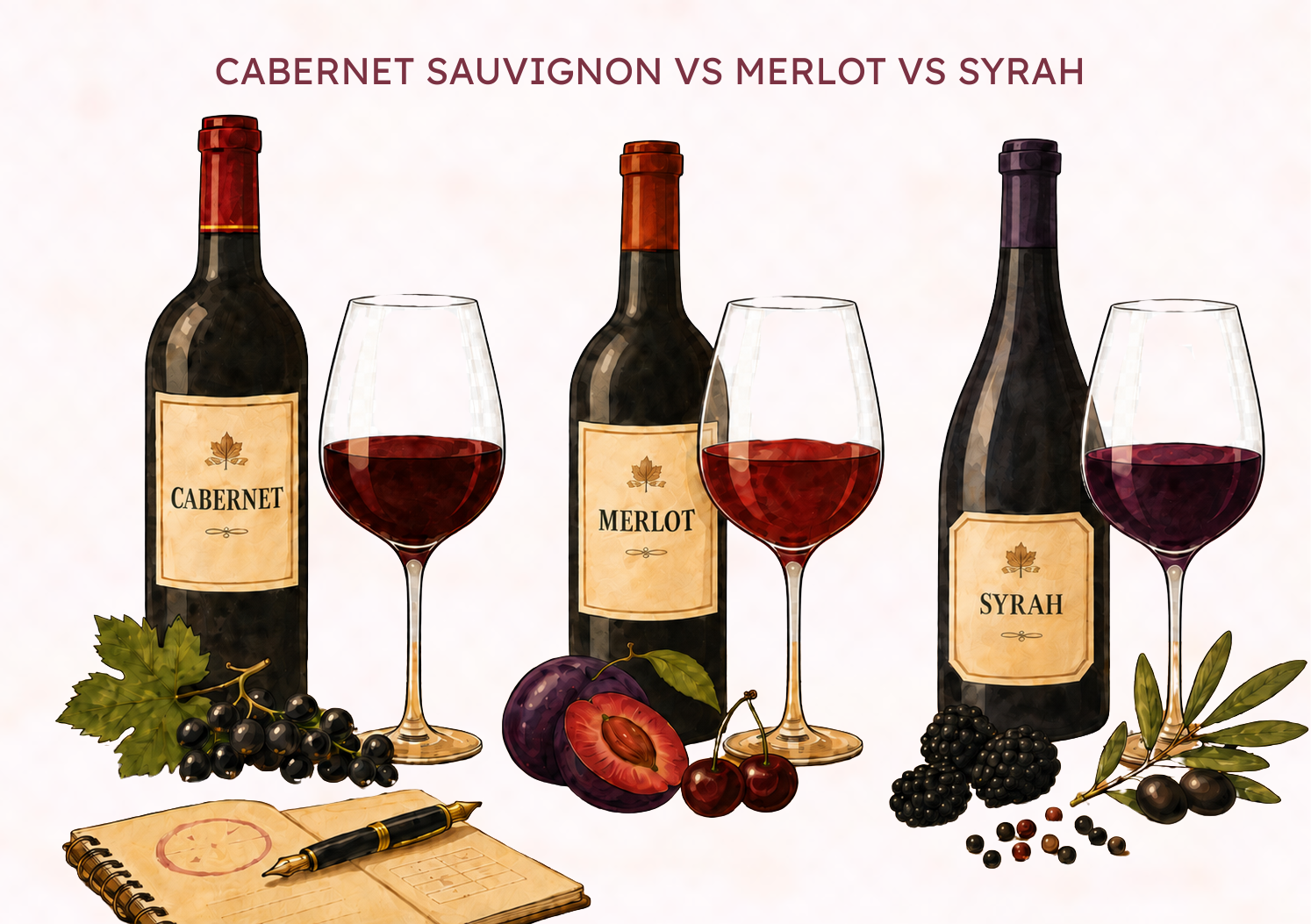
Cabernet vs Merlot vs Syrah: What’s the Difference?
Cabernet, Merlot, and Syrah can all be bold red wines, but they each bring something different to the glass. Cabernet is structured and tannic, Merlot is softer and smoother, and Syrah is dark, peppery, and savory. This guide breaks down the differences in a simple, practical way so you can choose the right red wine with more confidence.
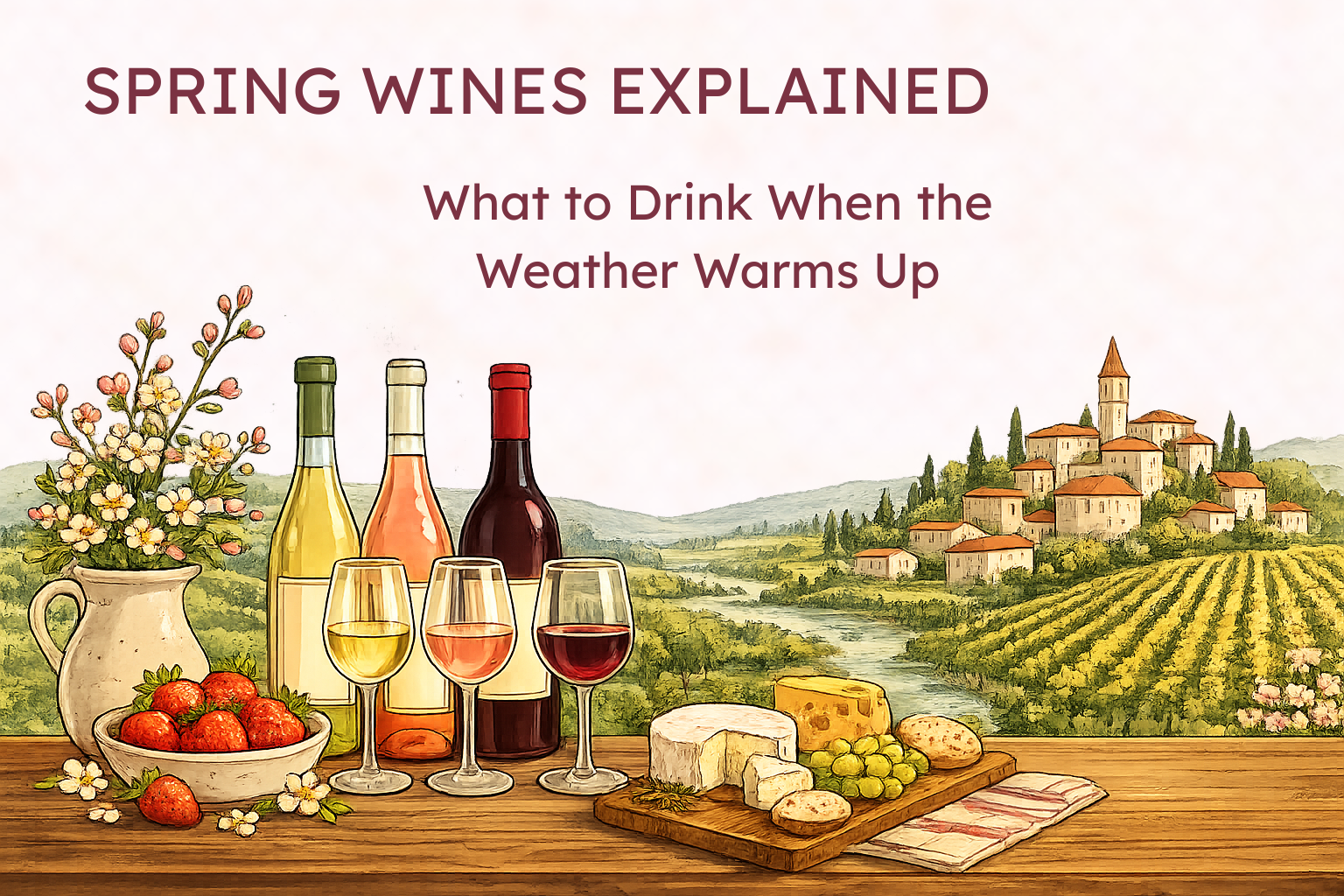
Spring Wines Explained: What to Drink When the Weather Warms Up
Spring wines are all about freshness, balance, and easy drinking. This guide breaks down what to look for from crisp whites to light reds and rosé so you can choose wines that actually match the season.
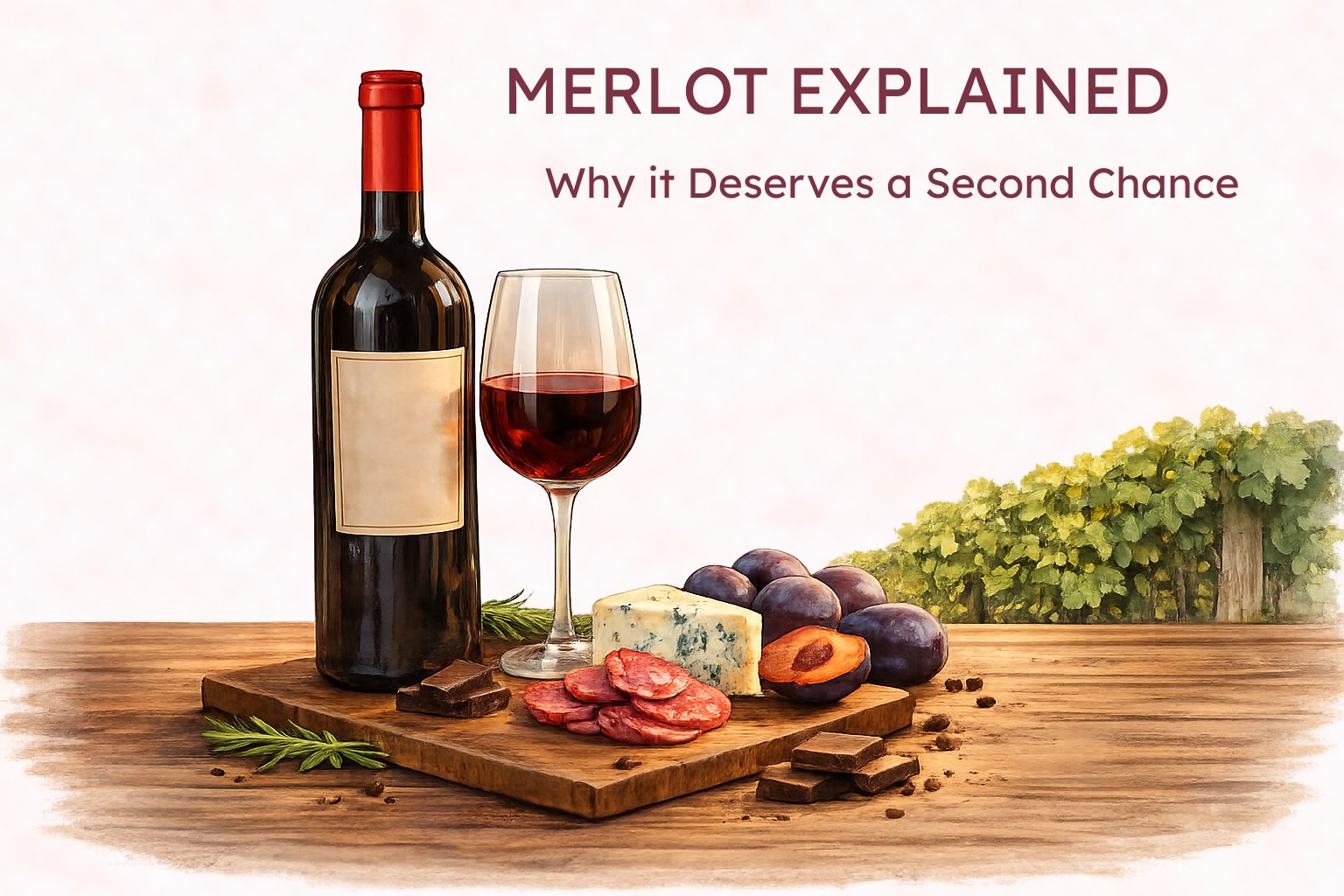
Merlot Explained: Why it Deserves a Second Chance
Merlot has a reputation for being boring but that’s not the full story. Here’s what it actually tastes like, why it went wrong, and why it might deserve another chance.
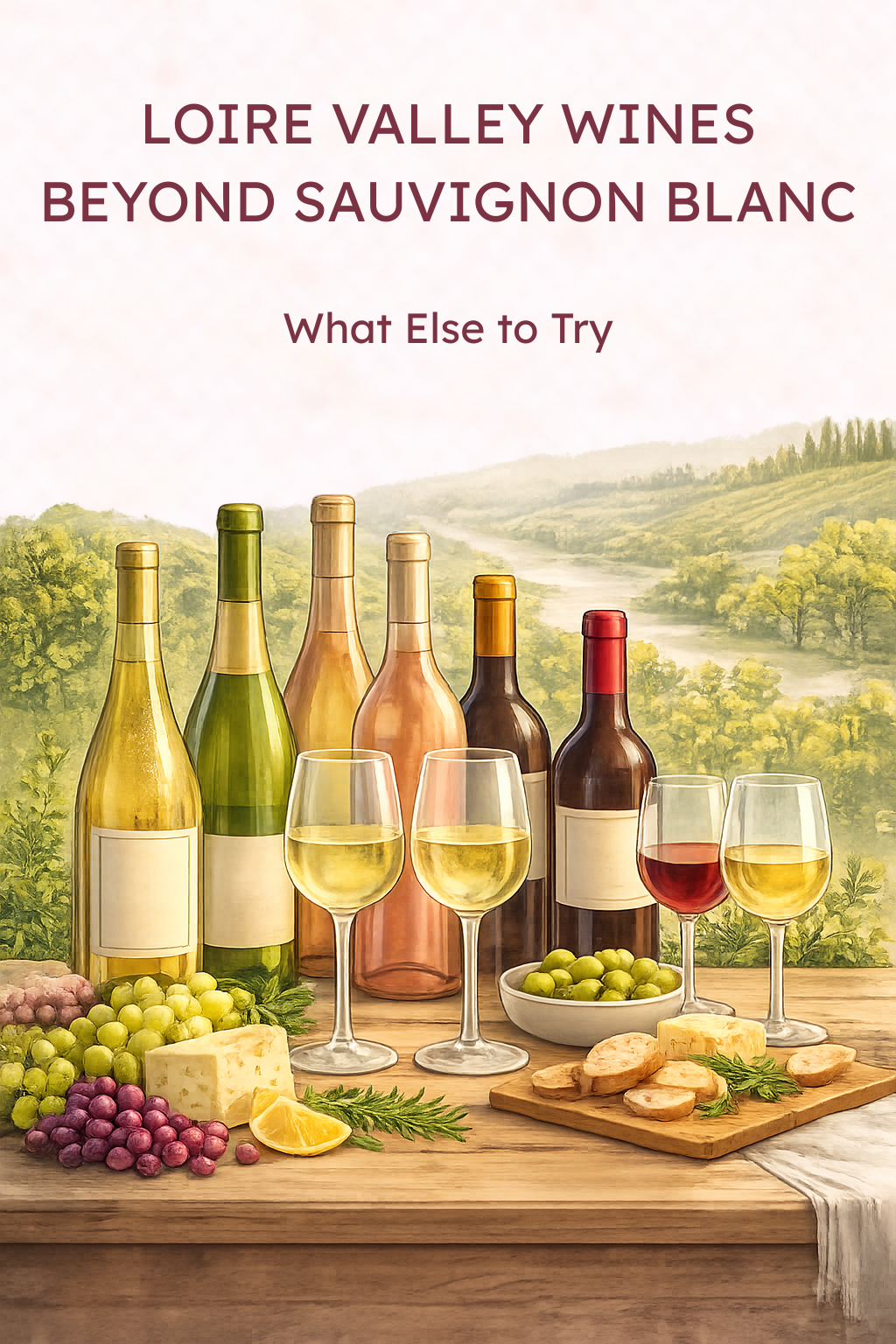
Loire Valley Wines Beyond Sauvignon Blanc: What Else to Try
Sauvignon Blanc might be the Loire Valley’s most famous wine, but it’s far from the only one worth knowing. Here’s what else to try—and how to find styles you’ll actually enjoy.
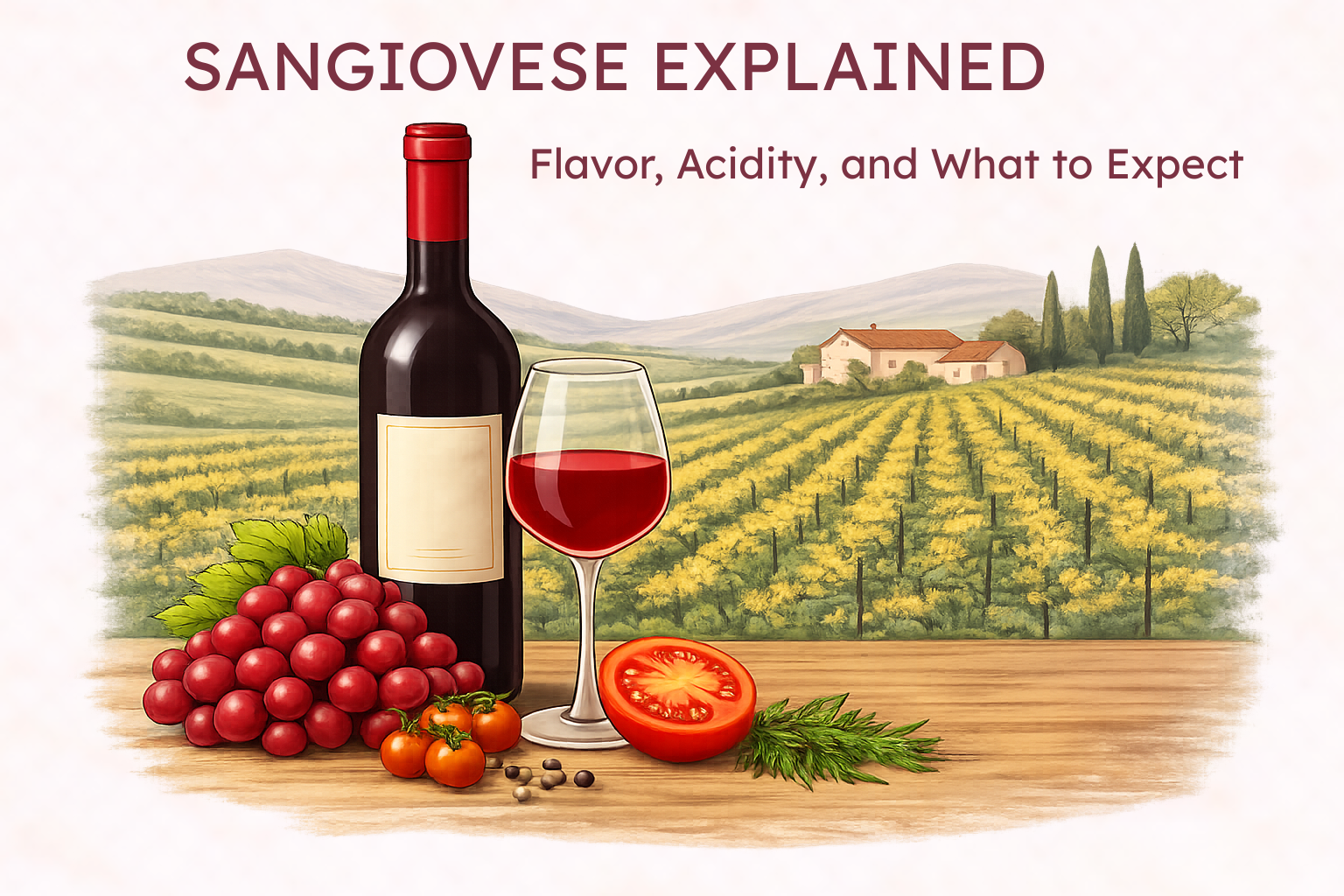
Sangiovese Explained: Flavor, Acidity, and What to Expect
A beginner-friendly guide to Sangiovese what it tastes like, why it’s so food-friendly, and how to know if it’s a style you’ll enjoy.
Discover Your Wine Style
Take our quick quiz to uncover the wines you’ll love based on your tastes, mood, and lifestyle.
Quick & Easy
Takes less than 2 minutes
Personalized Results
Get wine recommendations that match your style
Better Choices, Every Time
Shop and explore with confidence
Not Sure Where to Start?
Essential Guides to help you build confidence with wine.
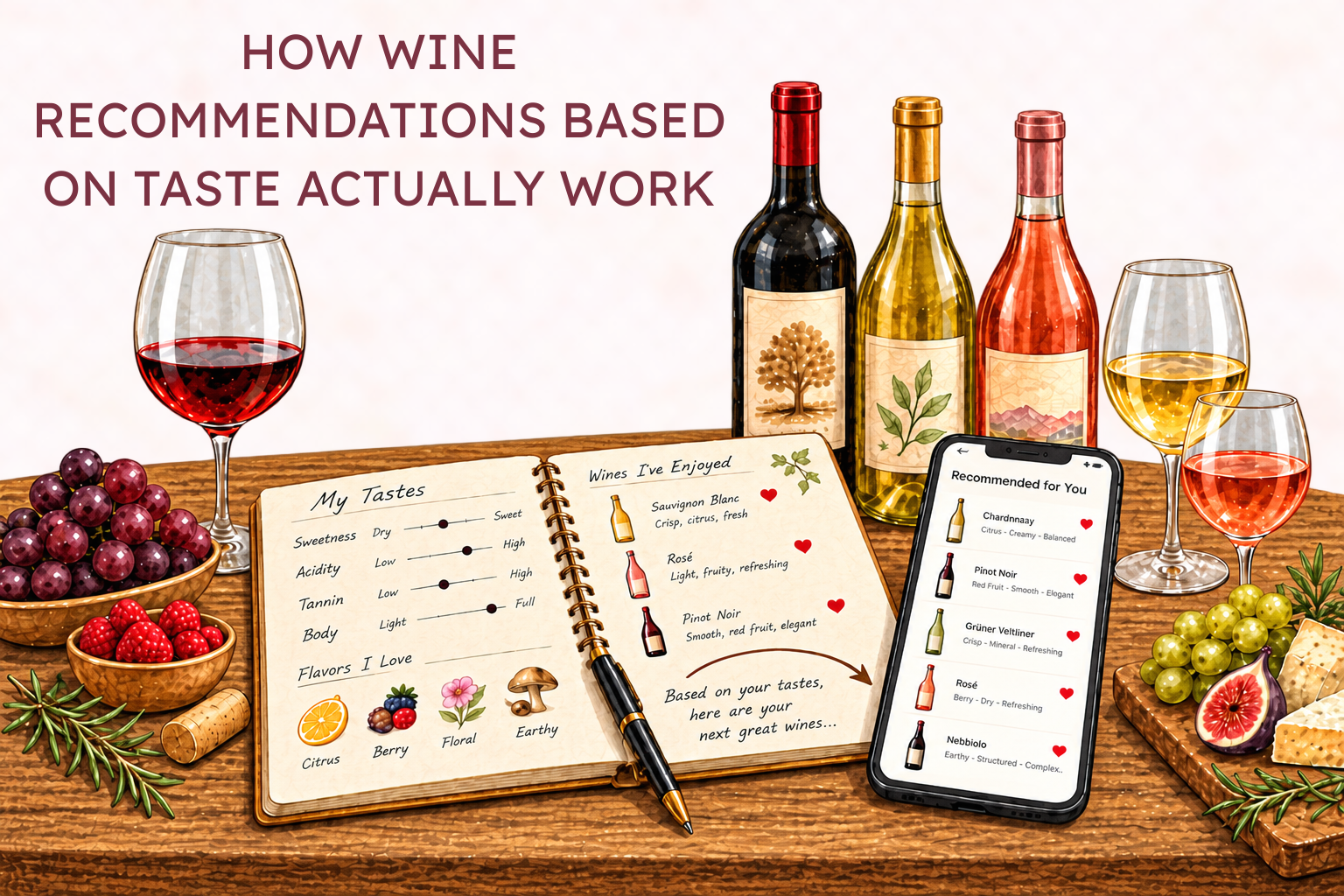
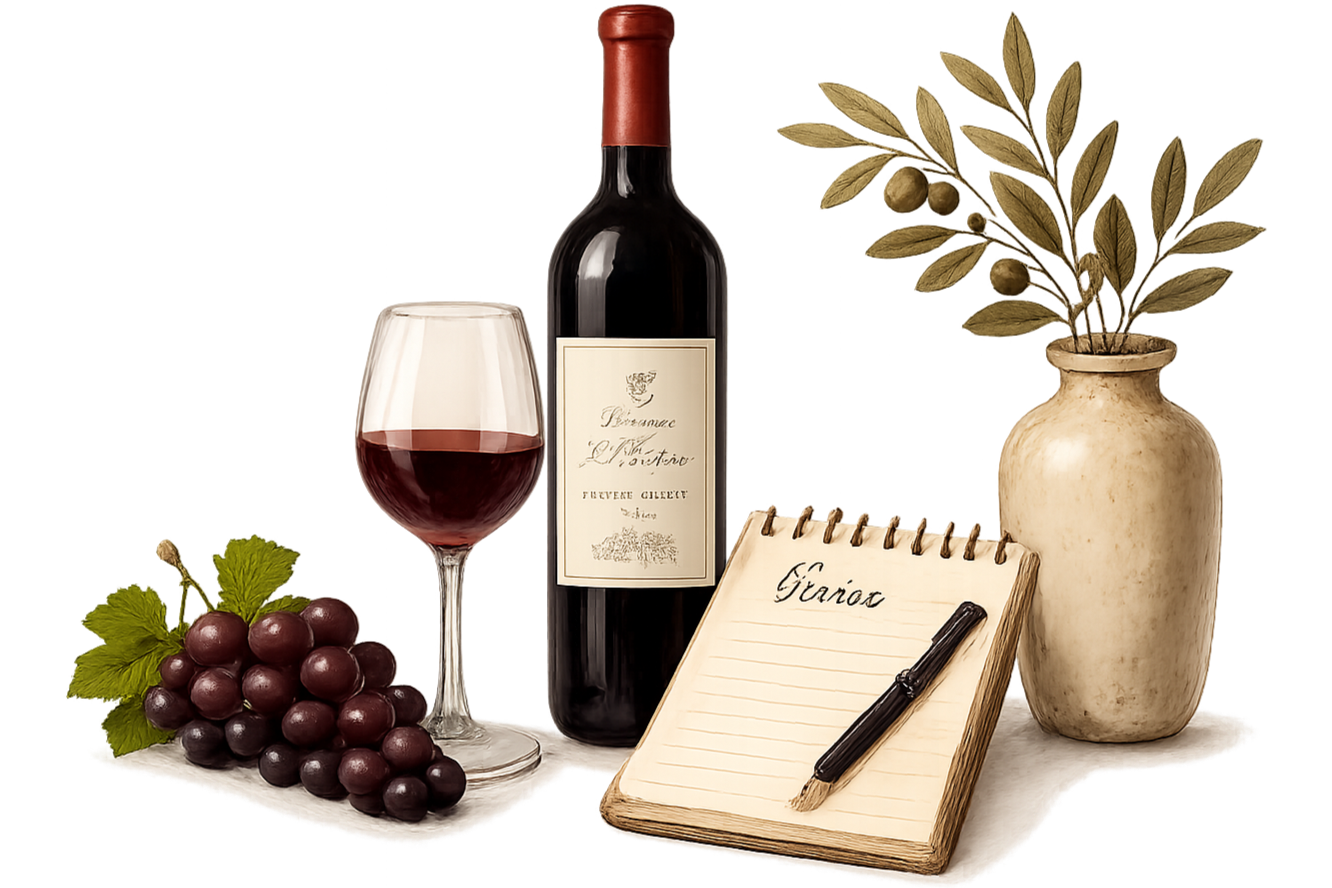
Remember the wines you actually enjoy.
Your free wine journal makes it easy to track what you love, learn from every bottle, and find your perfect pour.