
Light Reds vs Bold Reds: How to Choose What You’ll Like
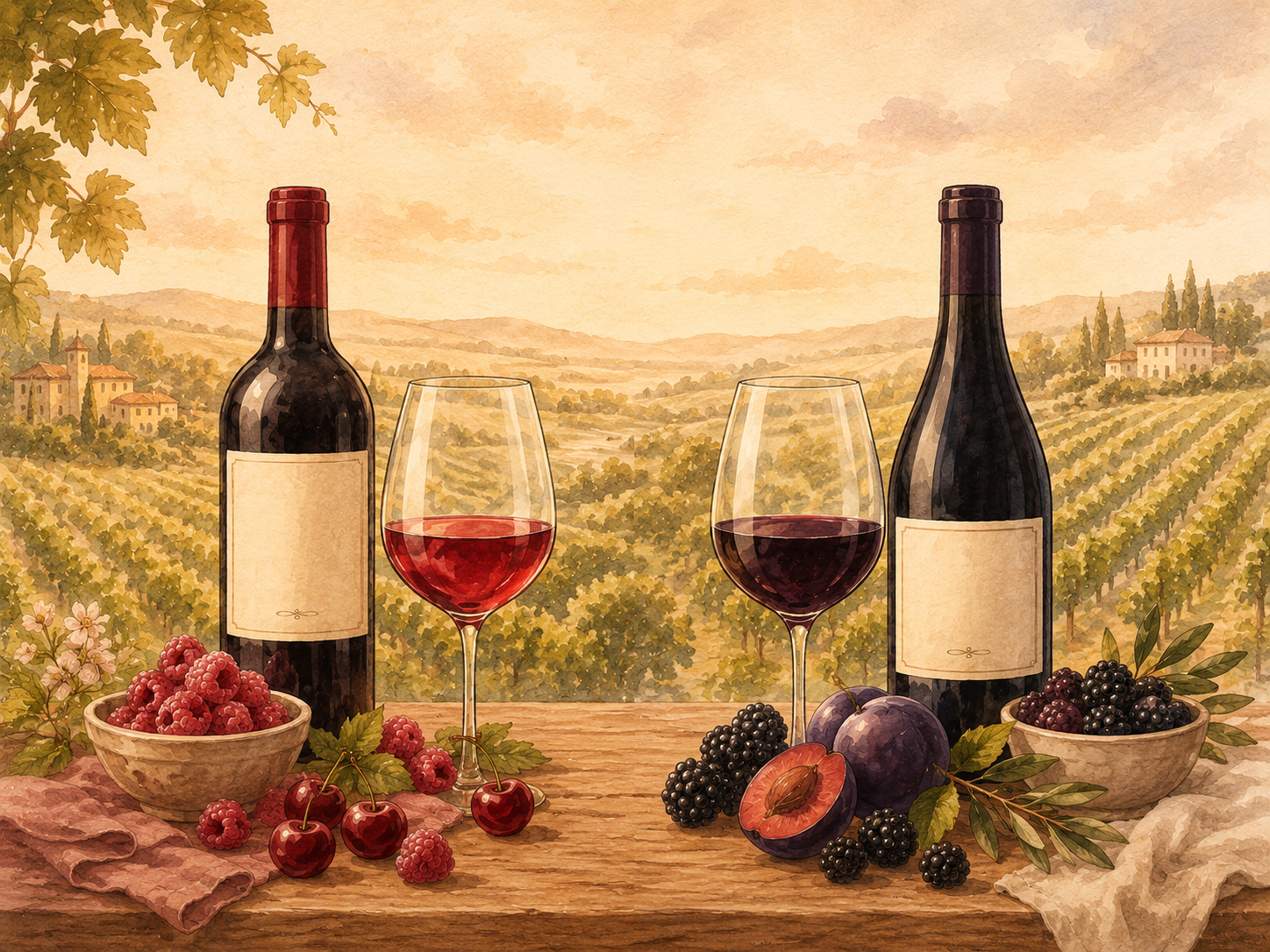
Red wine can feel like a gamble when you’re still figuring out what you like. One bottle tastes smooth, bright, and easy to drink. Another feels intense, dry, heavy, or like it needs a steak next to it. Both are red wine, but they can feel completely different in the glass. That difference often comes down to style.
Some red wines are lighter, fresher, and more delicate. Others are fuller, darker, richer, and more structured. Neither is better. The goal is not to “graduate” from light reds to bold reds. The goal is to recognize which style fits your taste, your food, and the moment you’re drinking it. If you’ve ever thought, “I want red wine, but I don’t want something too heavy,” this guide is for you.
The Simple Difference Between Light Reds and Bold Reds
Light reds usually feel more refreshing. They tend to have brighter fruit flavors, lower tannins, and a softer texture. Think cherry, raspberry, cranberry, herbs, flowers, or a little earthiness. Bold reds usually feel deeper and more powerful. They often have darker fruit flavors, more tannin, more body, and a stronger finish. Think blackberry, plum, cassis, baking spice, cocoa, leather, smoke, or oak. A light red might feel like something you could sip on its own.
A bold red often feels like it wants food. That’s not a strict rule, but it’s a useful starting point. If you want the bigger picture behind why some wines feel heavier than others, our guide to Wine Body Explained is a helpful companion. Body is one of the main reasons two red wines can taste so different even when they’re both dry.
What Light Red Wine Usually Tastes Like
Light red wines are often described as fresh, bright, silky, juicy, or delicate. They tend to have less weight in the mouth. They don’t coat your tongue as much. They usually feel more lifted and less intense. Common light red styles include Pinot Noir, Gamay, some Grenache, some Cabernet Franc, and lighter styles of Sangiovese. These wines often taste like red fruit instead of dark fruit. You might notice cherry, raspberry, strawberry, cranberry, rose petals, tea, dried herbs, or earthy notes.
Light reds are great when you want red wine without the heaviness. They’re also useful when you’re eating lighter meals, drinking outside, or serving wine to a group where not everyone loves big, dry reds. This is why we keep saying that red wine doesn’t have to be heavy. A lot of people think they don’t like red wine because their first experiences were with bold, tannic bottles. But red wine has a much wider range than that.
What Bold Red Wine Usually Tastes Like
Bold red wines are usually richer, fuller, and more intense. They often have more tannin, which is the dry, grippy feeling you get on your gums or tongue. They may also have more alcohol, more oak influence, and deeper fruit flavors. Common bold red styles include Cabernet Sauvignon, Syrah, Malbec, Zinfandel, Petite Sirah, and many red blends. These wines often taste like blackberry, black cherry, plum, currant, fig, pepper, chocolate, vanilla, tobacco, cedar, smoke, or spice.
Bold reds can be amazing, but they’re not always casual. Some are better with food because the structure needs something to push against. Protein, fat, salt, and char can make bold reds feel smoother and more balanced. That’s why a big Cabernet can feel aggressive by itself but suddenly make sense with a burger, steak, short ribs, or roasted mushrooms.
A Better Question Than “Which Red Wine Is Best?”
The better question is, What kind of red wine sounds good right now? Because your preference can change depending on the situation. A light red might be better when you want something easy, fresh, and low-pressure. A bold red might be better when you want something rich, cozy, and food-friendly. Here’s the practical version:
Choose a light red when you want something smooth, bright, and easy to drink.
Choose a bold red when you want something deep, intense, and structured.
That one shift makes wine feel less like guessing and more like choosing a mood.
If You Like Fresh, Juicy, Easy Reds
You’ll probably enjoy lighter red wines. Look for Pinot Noir, Beaujolais, Gamay, lighter Grenache, Cabernet Franc, or cooler-climate reds.
These wines are often a good fit if you like:
Fresh cherry or raspberry flavors
Smoother texture
Lower tannin
Wine that doesn’t feel too dry or heavy
Red wine you can drink without a big meal
Something that works slightly chilled
Light reds are also a great place to start if you’re usually a white wine or rosé drinker. They give you red wine flavor without jumping straight into the deepest, driest styles. And yes, you can chill them a little. Not ice cold, but 20–30 minutes in the fridge can make many light reds taste brighter and more refreshing.
If You Like Rich, Dark, Powerful Reds
You’ll probably enjoy bolder red wines. Look for Cabernet Sauvignon, Syrah, Malbec, Zinfandel, Petite Sirah, or fuller-bodied red blends.
These wines are often a good fit if you like:
Dark fruit flavors
A fuller mouthfeel
More intensity
Noticeable tannin
Oak, spice, smoke, or chocolate notes
Wine with grilled, roasted, or hearty foods
Bold reds are not automatically “better” or more serious. They’re just more intense. Sometimes that intensity is exactly what you want. Sometimes it’s too much. That’s the whole trick. You’re not trying to like the biggest wine in the room. You’re trying to find the wine that fits your actual taste.
Light vs Bold Is Not the Same as Cheap vs Expensive
This is where people get tripped up. A light red is not a beginner wine. A bold red is not automatically more premium. Some of the most respected wines in the world are lighter-bodied. Burgundy, for example, is famous for Pinot Noir, which is often lighter, more aromatic, and more delicate than Cabernet Sauvignon. At the same time, plenty of bold reds are simple, inexpensive, and made for everyday drinking.
So don’t treat light reds as “less than.” They can be incredibly complex. They just express themselves differently. Light reds often lean on aroma, freshness, and texture. Bold reds often lean on depth, structure, and power. Both can be great.
Pay Attention to Tannin
If bold reds often feel too dry or harsh to you, tannin might be the reason. Tannin creates that drying, grippy sensation in your mouth. It comes from grape skins, seeds, stems, and sometimes oak aging. Bold reds usually have more tannin because they’re often made from thicker-skinned grapes. Cabernet Sauvignon, Syrah, Malbec, and Petite Sirah can all have noticeable tannin.
Pinot Noir, Gamay, and many lighter reds usually have less. This matters because some people love that firm, structured feeling. Others find it unpleasant, especially when drinking wine without food. If you’ve ever taken a sip of red wine and thought, “Why does this feel like it’s drying out my mouth?” that’s probably tannin. You’re not wrong for disliking it. You may just prefer lighter reds, smoother reds, or bold reds with the right food.
Pay Attention to Fruit Style
Another easy way to choose is by fruit flavor. Light reds usually lean red-fruited. Bold reds usually lean dark-fruited. Red fruit tastes like cherry, raspberry, strawberry, cranberry, or pomegranate. These wines often feel brighter and fresher. Dark fruit tastes like blackberry, black cherry, plum, cassis, or fig. These wines often feel deeper and richer. This is not perfect every time, but it helps a lot when reading labels, tasting notes, or restaurant descriptions. If a wine description mentions tart cherry, cranberry, rose, or fresh herbs, expect something lighter and brighter. If it mentions blackberry, plum, mocha, vanilla, smoke, or cedar, expect something fuller and bolder.
Fresh vs Rich Is Another Clue
Light reds often sit closer to the “fresh” side of wine. Bold reds often sit closer to the “rich” side. Fresh wines feel lifted, bright, crisp, juicy, or energetic. Rich wines feel rounder, deeper, fuller, softer, or more powerful. This is why our guide to Fresh vs Rich Wines pairs so well with this topic. Once you understand that fresh-versus-rich spectrum, light-versus-bold reds become much easier to predict.
A fresh red might be great with roast chicken, salmon, pizza, tomato-based pasta, or a casual cheese board. A rich red might be better with steak, burgers, barbecue, lamb, short ribs, or roasted vegetables with deeper flavors. You don’t need complicated pairing rules. You just need to match the weight and intensity.
What to Try First
If you’re exploring light reds, start with Pinot Noir or Beaujolais. Pinot Noir is a great introduction because it often has cherry fruit, soft tannins, and a smooth texture. It can be earthy, fruity, elegant, or simple depending on where it’s from and how it’s made. Beaujolais, made from the Gamay grape, is one of the friendliest red wines out there. It’s usually juicy, bright, low in tannin, and easy to enjoy slightly chilled.
If you’re exploring bold reds, start with Malbec or Cabernet Sauvignon. Malbec is often dark, plush, fruity, and approachable. It can give you boldness without always feeling as firm or tannic as Cabernet. Cabernet Sauvignon is the classic bold red. It’s structured, dark-fruited, and often best with food. If you like depth, grip, and intensity, Cabernet may be your lane. Syrah is another great bold red, especially if you like pepper, smoke, dark fruit, and savory flavors.
A Simple Side-by-Side Tasting
The fastest way to learn this is to compare two wines side by side. Try one light red and one bold red on the same night. For example:
Pinot Noir vs Cabernet Sauvignon
Beaujolais vs Malbec
Cabernet Franc vs Syrah
Take a small sip of each and notice the difference in weight, fruit flavor, tannin, and finish. Ask yourself:
Which one feels easier to drink?
Which one tastes brighter?
Which one feels fuller?
Which one dries out my mouth more?
Which one would I rather have with food?
Which one would I drink on its own?
You’ll learn more from that comparison than from memorizing a list of grapes. That’s the whole point of building your wine confidence through patterns. Once you notice the difference between light and bold reds, labels start to feel less random.
Final Sip
Light reds and bold reds are not competing teams. They’re different tools. Light reds are fresh, smooth, and flexible. Bold reds are rich, structured, and intense. Once you understand that difference, choosing red wine gets a lot less intimidating. You’re no longer grabbing a random bottle and hoping for the best. You’re choosing based on weight, flavor, and feel.And that’s how wine starts to click.
Want to remember which red wines actually fit your taste? Log your next bottle in Somm Scribe and start spotting the patterns behind what you like.
