
Learn Wine, One Glass at a Time
Practical, beginner friendly wine education to help you taste with confidence. From understanding labels and regions to pairing food and building your palate, we make wine approachable one guide at a time.
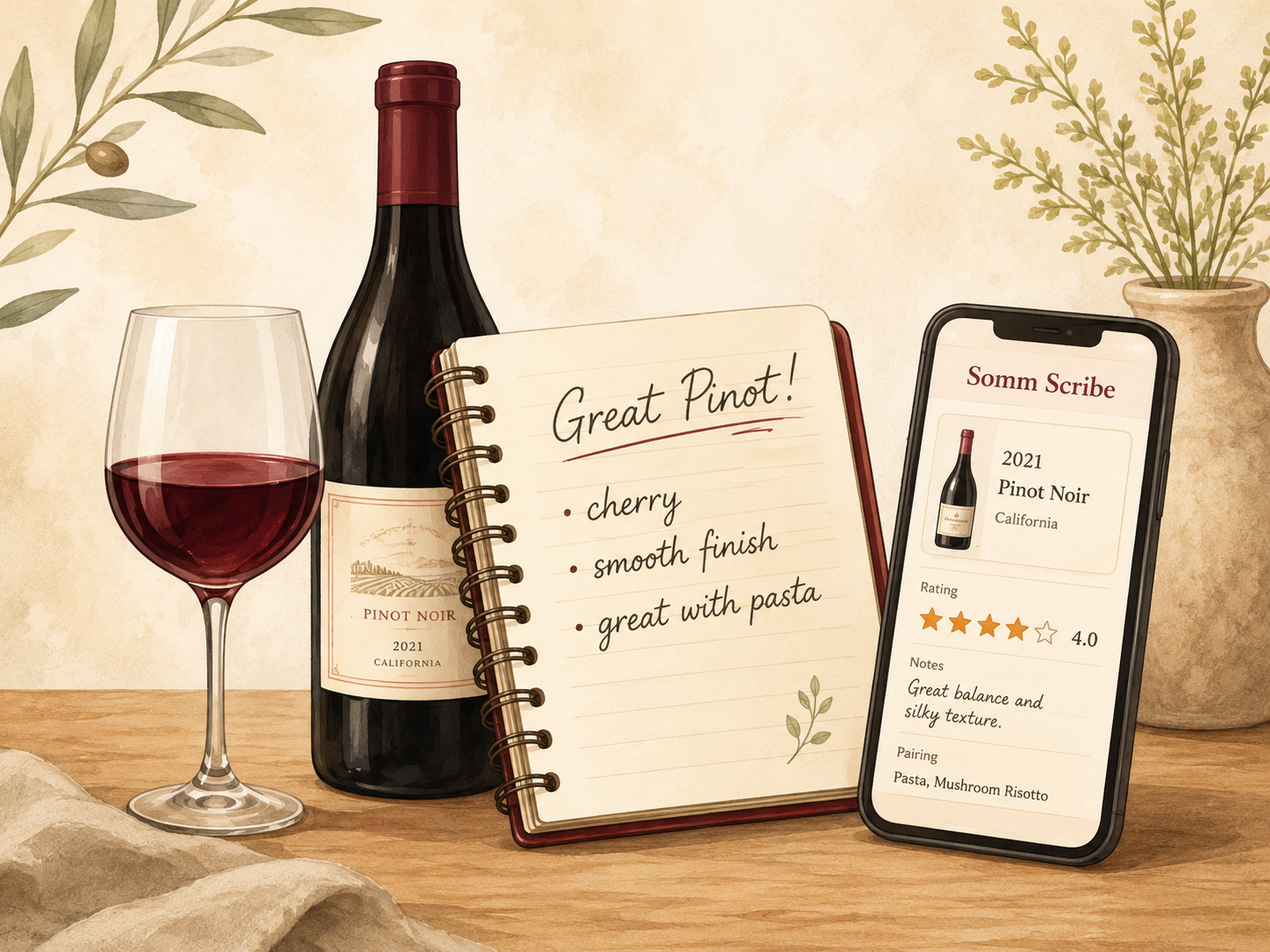
Turn what you learn into wines you remember
Track bottles, notes, ratings, and preferences in your personal wine journal. Somm Scribe helps you learn, remember, and enjoy wine more.
Start Here
Essential Guides to help you build confidence with wine.
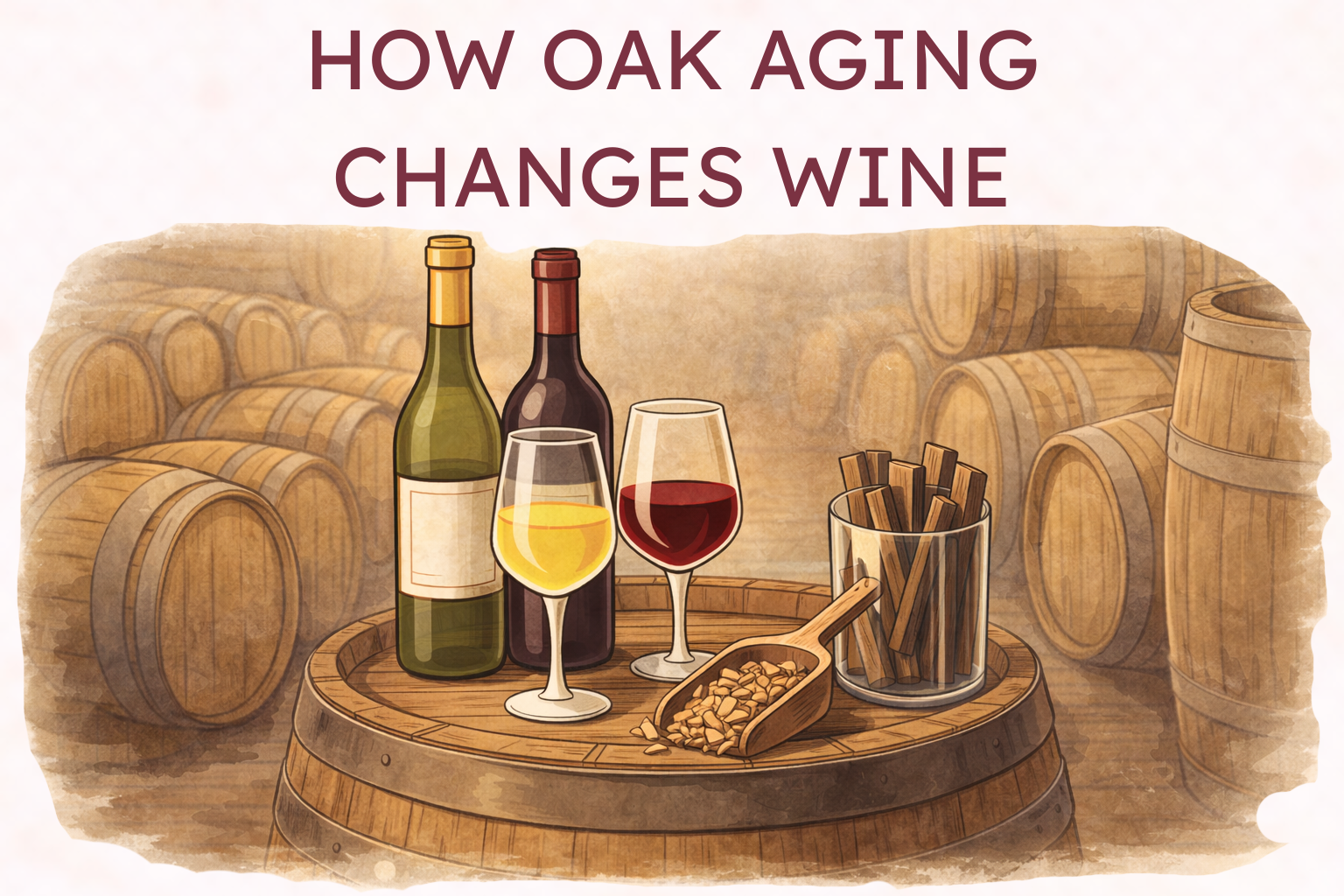
How Oak Aging Changes Wine
If you’ve ever seen “oaked” or “unoaked” on a wine label and wondered what that actually means, you’re not alone. Oak aging is one of the most influential parts of winemaking. Some people love oaky wines. Others say they hate them. The good news? Once you understand what oak does to wine, you’ll be able to recognize it easily, decide whether you like it, and choose bottles with way more confidence.
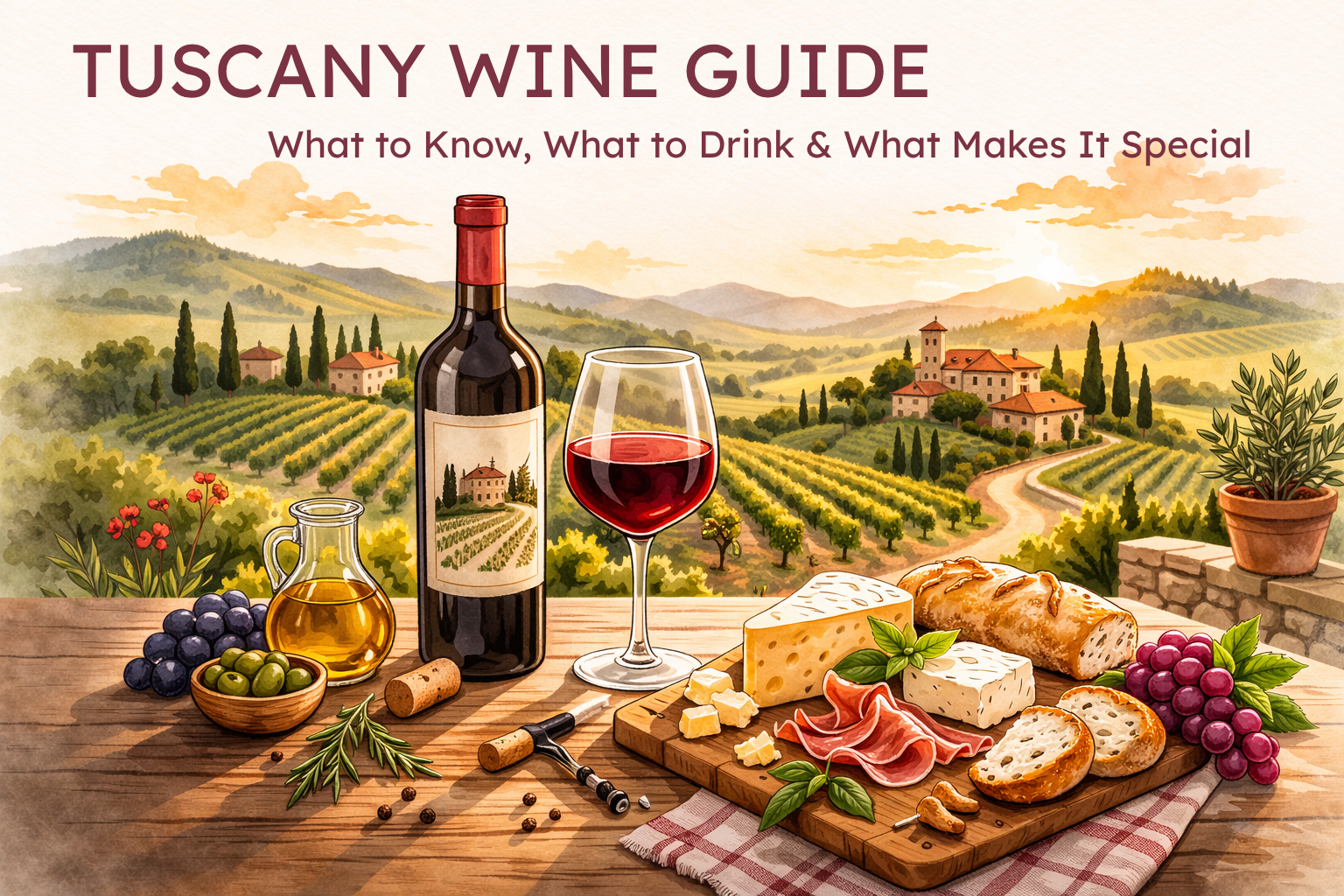
Tuscany Wine Guide: What to Know, What to Drink & What Makes It Special
Tuscany is one of those regions people recognize instantly — rolling hills, cypress trees, terracotta rooftops, and of course… Chianti. But behind the postcard landscapes is one of the most important wine regions in the world, producing everything from rustic, food-friendly reds to ultra-polished “Super Tuscans.” The good news? You don’t need to be an expert to understand Tuscany. This guide breaks it down simply and helps you choose bottles with confidence — whether you’re grabbing a weeknight Chianti or exploring something more adventurous.
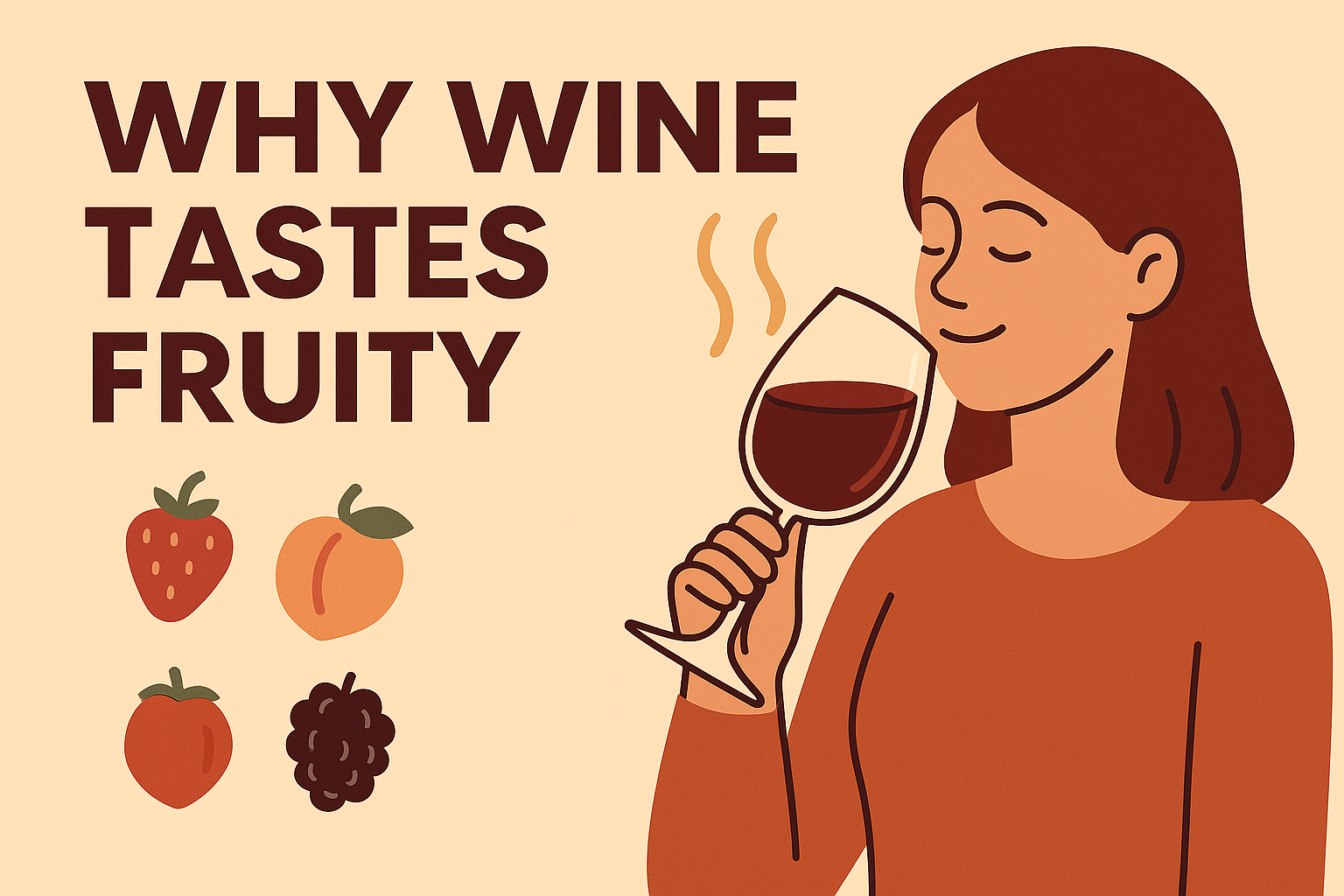
Why Some Wines Taste Fruity: Even When They Aren’t Sweet
One of the biggest surprises for new wine drinkers is discovering that a wine can taste fruity without actually being sweet. You’ll smell strawberries in a completely dry rosé, ripe peach in a crisp Albariño, or blackberry jam in a Cabernet that has zero sugar in it. So what’s going on? Why do dry wines smell and taste like fruit? The short answer: fruitiness isn’t sweetness. The long answer is what we’ll explore here.
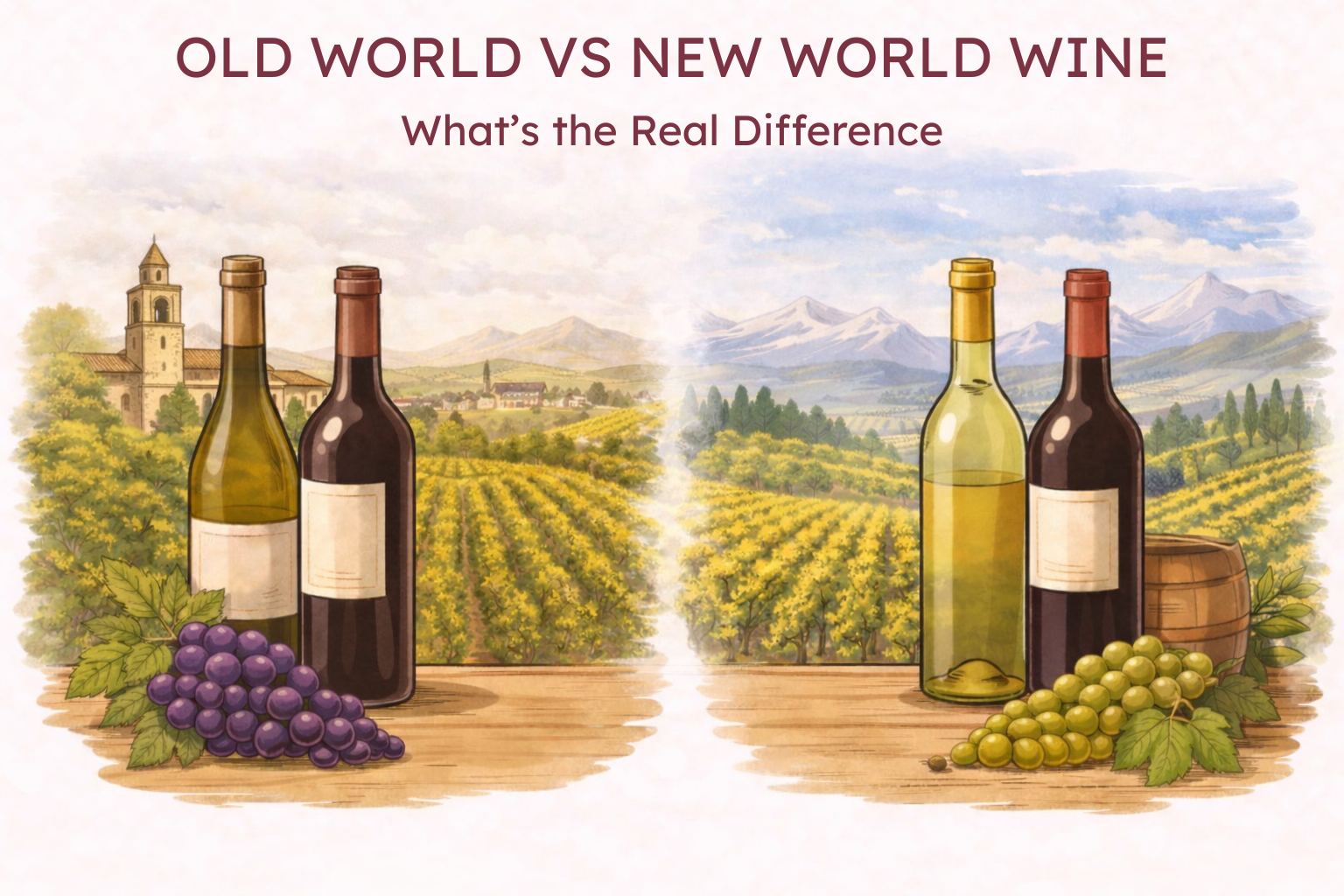
Old World vs New World Wine: What’s the Real Difference?
If you’ve ever heard someone describe a wine as Old World or New World and wondered what that actually means, you’re not alone. These terms get thrown around all the time, but beginners rarely get a clear explanation. This guide breaks the concept down giving you everything you need to feel confident when comparing wines from Europe to wines from places like the U.S., Australia, South America, and beyond.
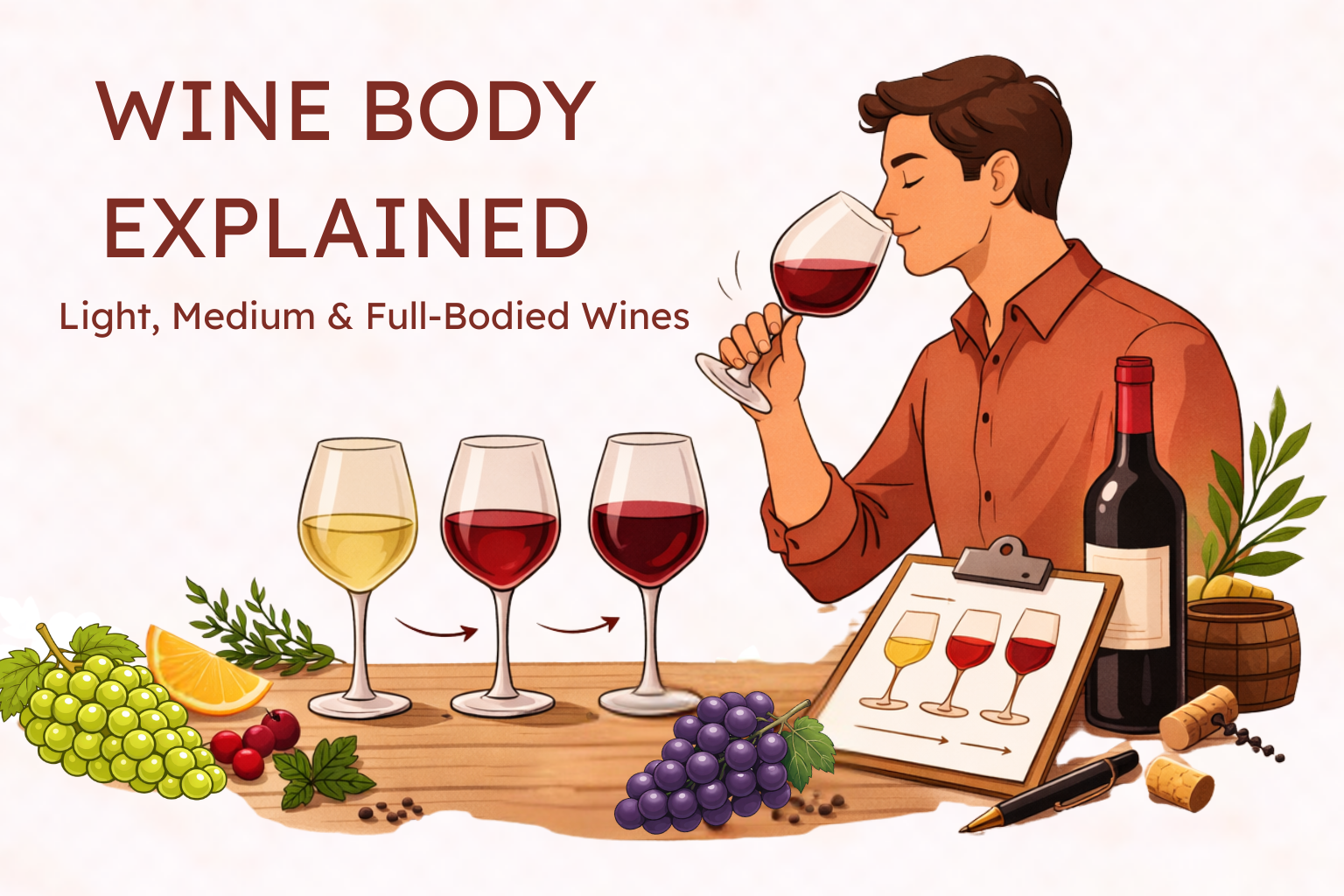
Wine Body Explained
Not sure what “wine body” actually means? This simple guide breaks down light, medium, and full-bodied wines so you can understand how wine feels and start choosing bottles you’ll actually enjoy.
How to Tell If a Wine Is High Quality: Without Being a Snob
People love to talk about “good wine,” but the truth is… most folks don’t actually know what that means. Does expensive wine always equal high quality? (No.) Can a $12 bottle taste fantastic? (Absolutely.) And do you need formal training to know the difference? Not even close. This guide will walk you through the essentials in a simple, friendly way so you can judge quality confidently, without sounding like you’re auditioning for a sommelier exam.

Wine Sweetness Levels Explained: Bone Dry to Sweet
Sweetness is one of the first things people notice about wine — yet it’s also one of the most misunderstood. A wine can be labeled “dry” and still taste fruity. Another can contain actual sugar but still feel refreshing. And then there are all the terms like off-dry, Brut, or late harvest, which seem like they belong in a glossary. This guide breaks everything down simply so you can understand what sweetness actually means, how it changes the way a wine tastes, and how to recognize where a wine sits on the spectrum.
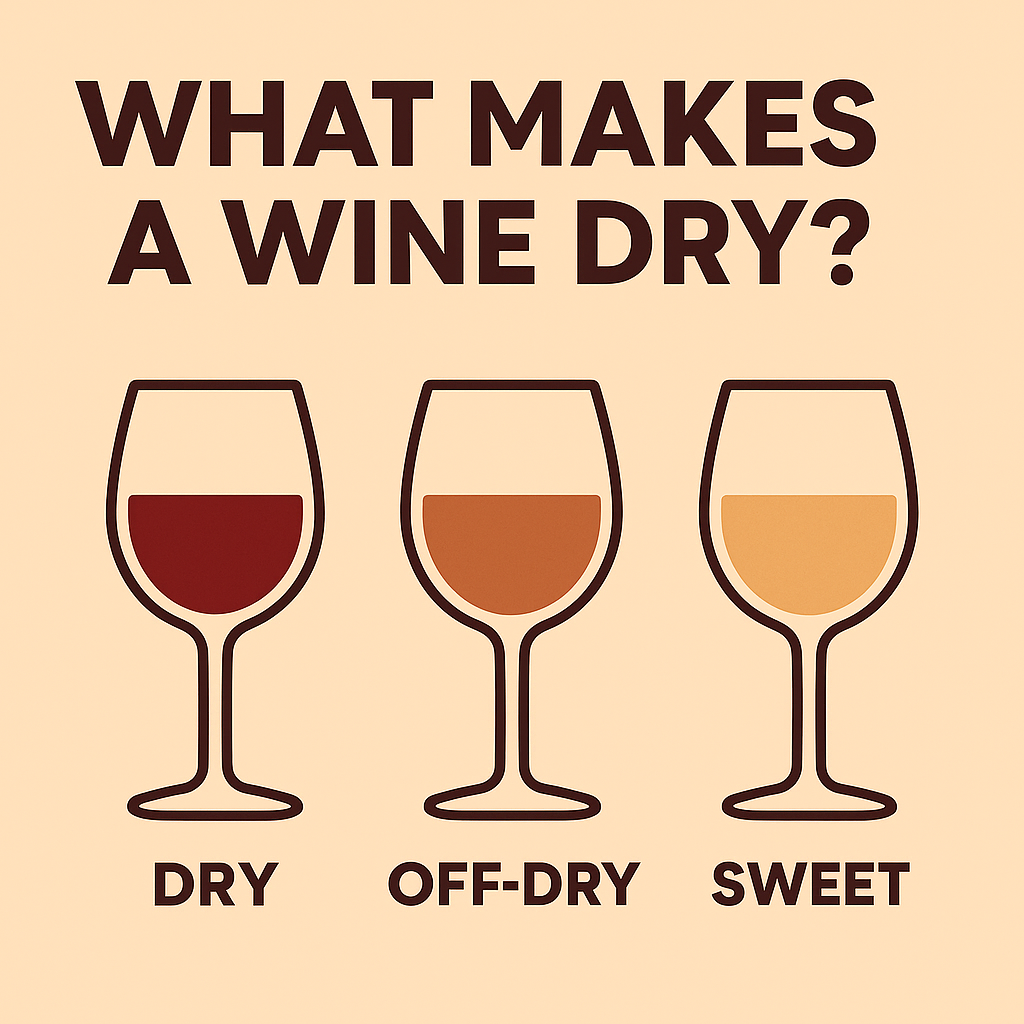
What Makes a Wine “Dry”? (And Why It Matters)
Dry wine doesn’t mean bitter, harsh, or not fruity it simply means not sweet. This beginner-friendly guide explains what makes a wine dry and how to tell what to expect in the glass.
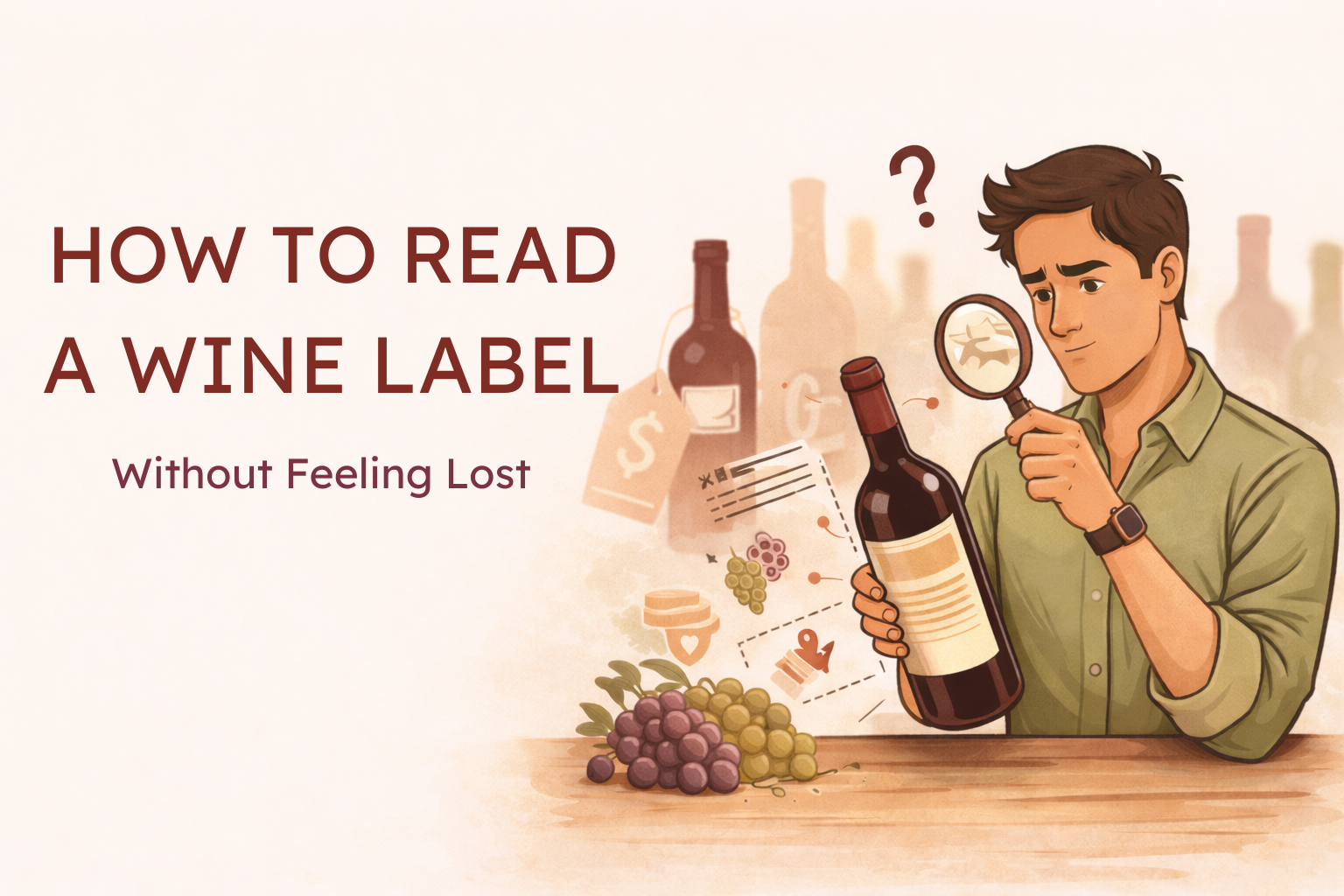
How to Read a Wine Label: Without Feeling Lost
Wine labels don’t have to be confusing. Learn how to quickly read grape, region, vintage, and alcohol so you can predict style and choose bottles with confidence.
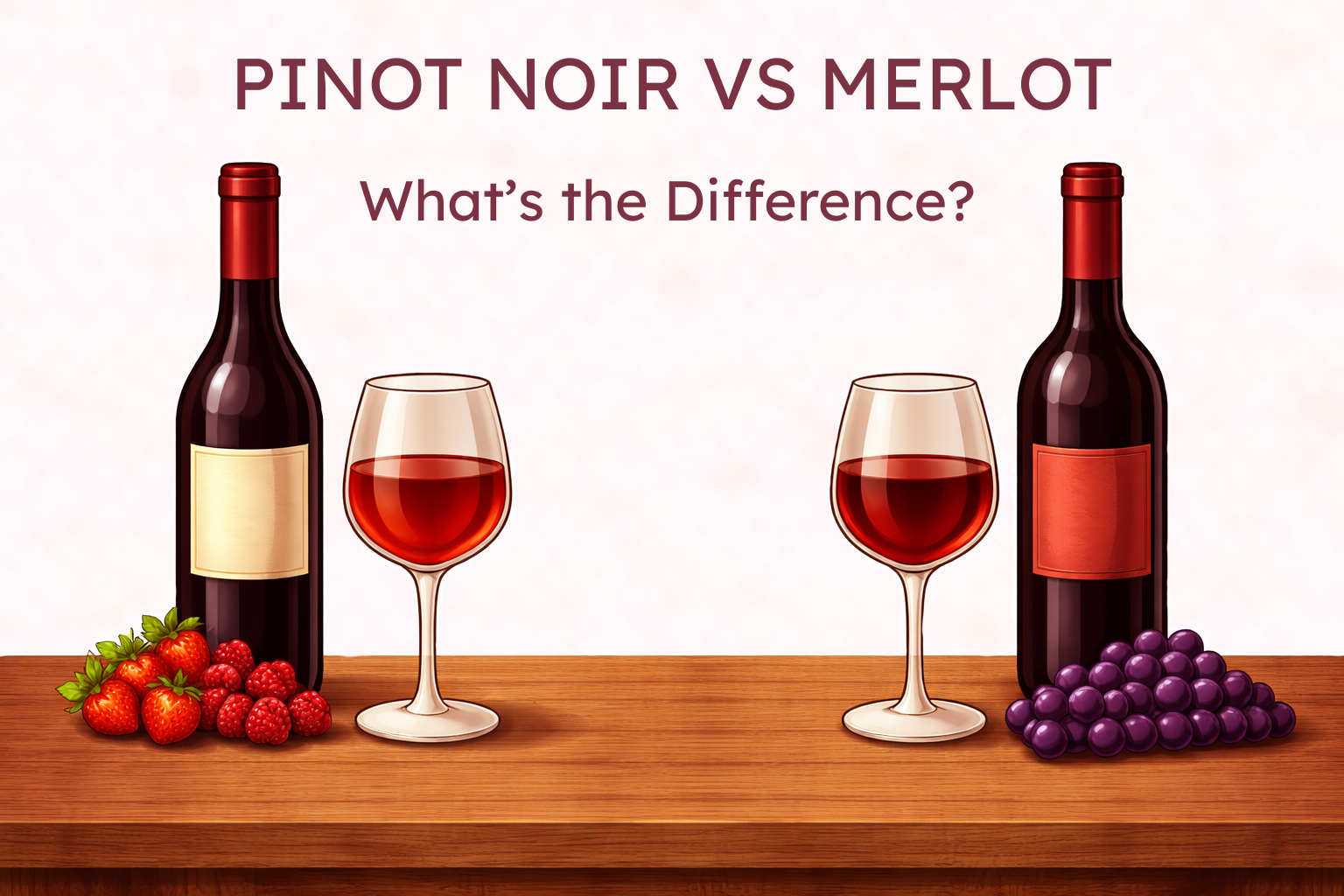
Pinot Noir vs Merlot: What’s the Difference?
Pinot Noir and Merlot are two of the most widely enjoyed red wines in the world — smooth, approachable, and full of fruit flavor. But they’re also very different in style, structure, and personality. If you’ve ever wondered which one you prefer (or why), this guide breaks down the key differences in an easy, side-by-side format.
Remember the wines you actually enjoy.
Your free wine journal makes it easy to track what you love, learn from every bottle, and find your perfect pour.