
Learn Wine, One Glass at a Time
Somm Scribe is a practical wine education blog designed to help you taste with confidence. From understanding wine labels and regions to learning how flavor, oak, and structure work together, each guide is built to make wine more approachable — one glass at a time.
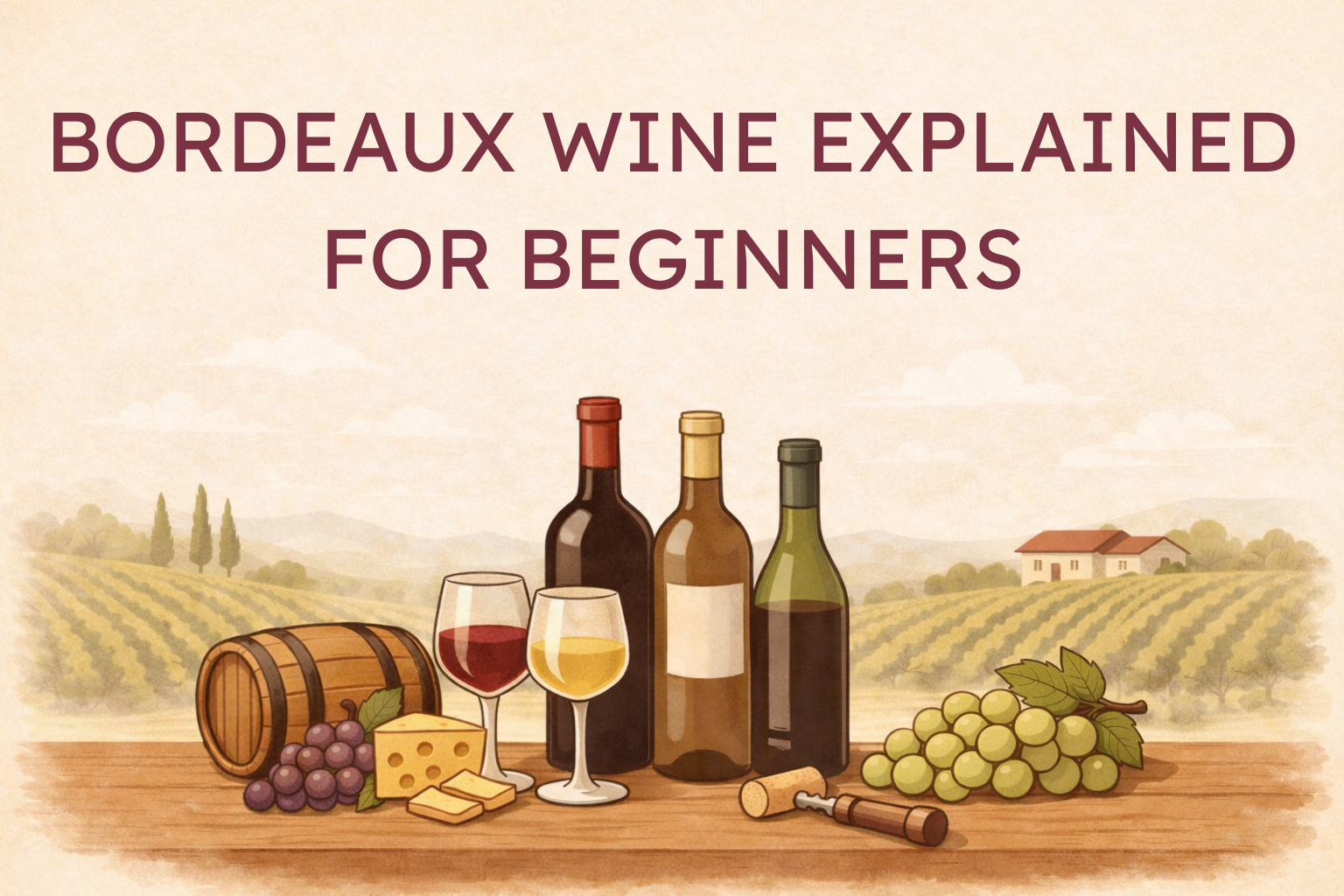
Bordeaux Wine Explained for Beginners
Bordeaux wines can seem intimidating because the labels rarely list the grapes. But once you understand the core building blocks — Cabernet Sauvignon, Merlot, and Cabernet Franc — Bordeaux becomes much easier to navigate. This guide explains the styles, structure, and what beginners should expect when opening their first Bordeaux.
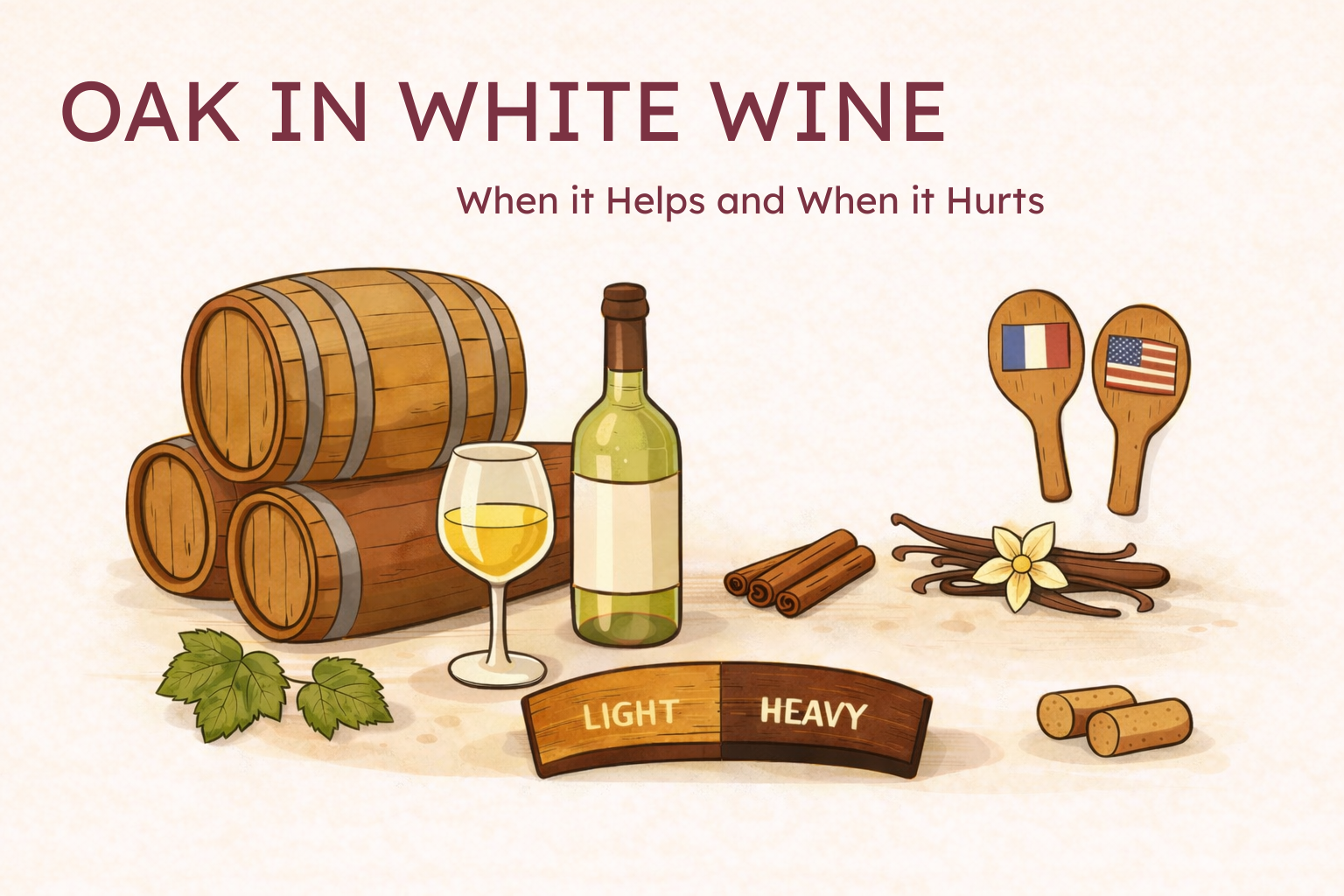
Oak in White Wine: When It Helps and When It Hurts
Oak can add depth and creaminess to white wine or overwhelm its freshness. Here’s how to tell when oak enhances a wine and when it throws it out of balance.
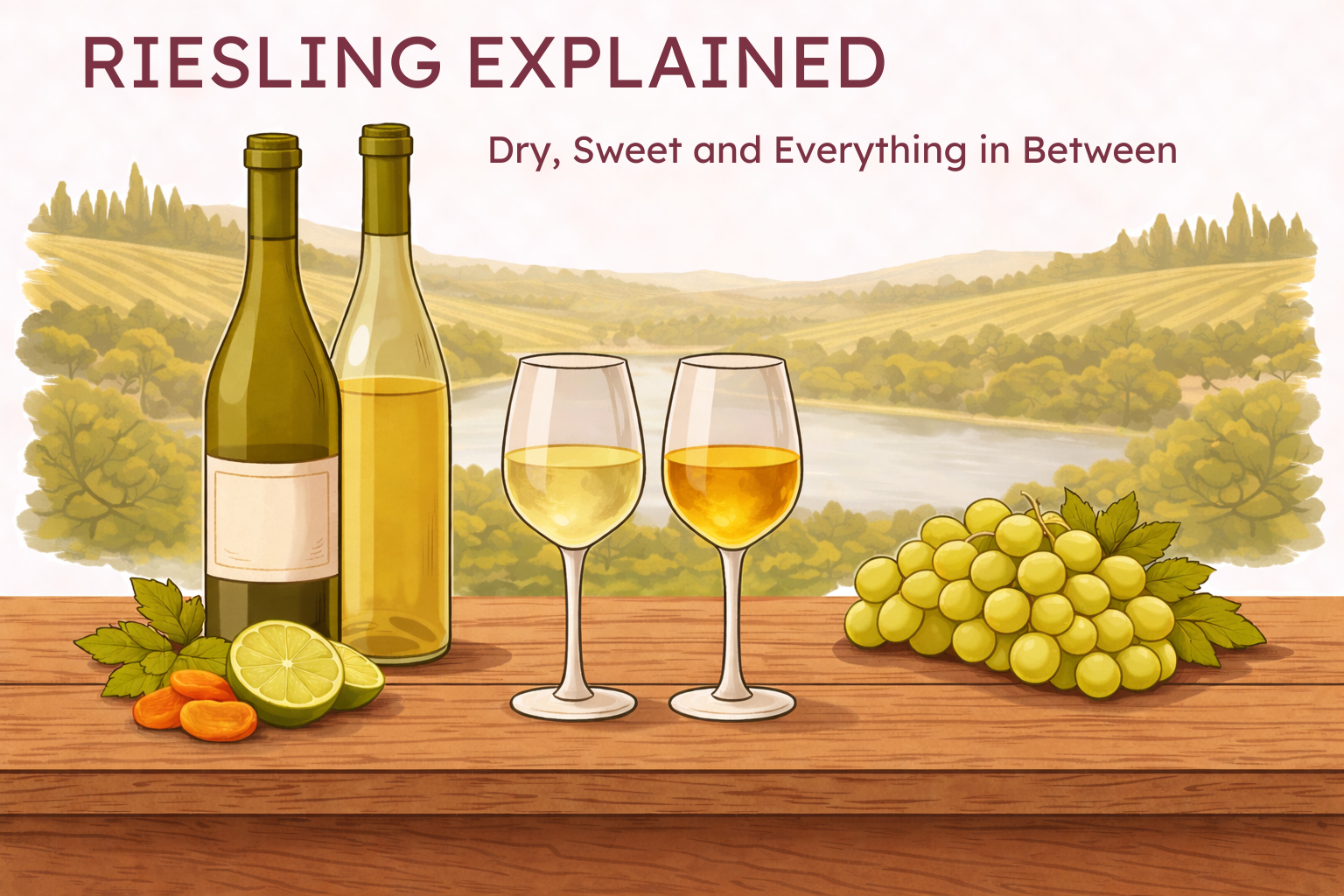
Riesling Explained: Dry, Sweet, and Everything in Between
Riesling might be the most misunderstood white wine. Some bottles are bone-dry and razor crisp. Others are gently sweet and lush with fruit. The difference isn’t random it’s intentional. This guide breaks down how Riesling can span the full sweetness spectrum, why acidity is the secret to its balance, and how to confidently choose a style you’ll actually enjoy.
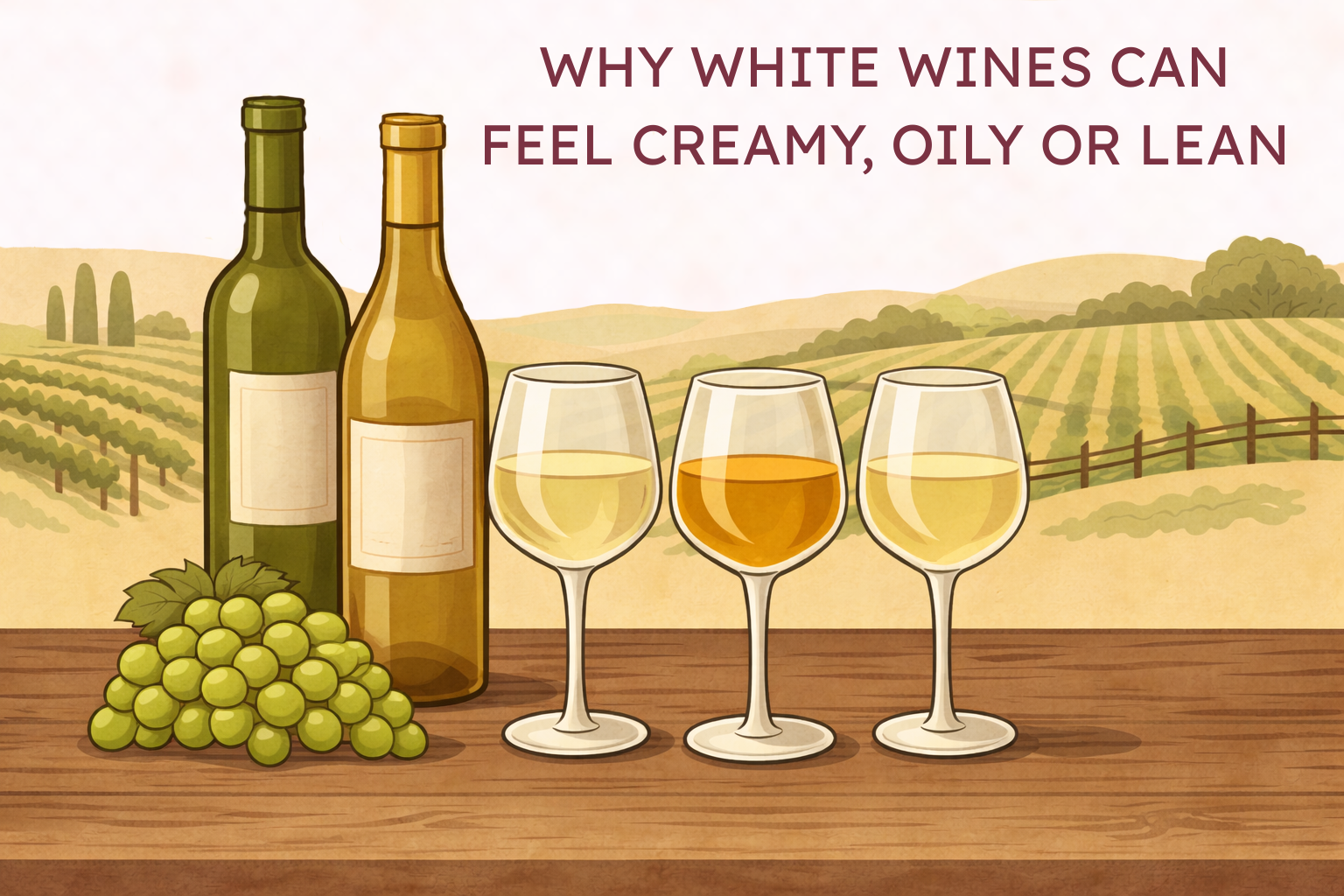
Why White Wines Can Feel Creamy, Oily, or Lean
Why do some white wines feel creamy and smooth while others taste lean and crisp? This guide explains what creates oily, rounded, or refreshing textures in white wine — from acidity and oak aging to winemaking choices — so you can confidently choose the style you’ll love.
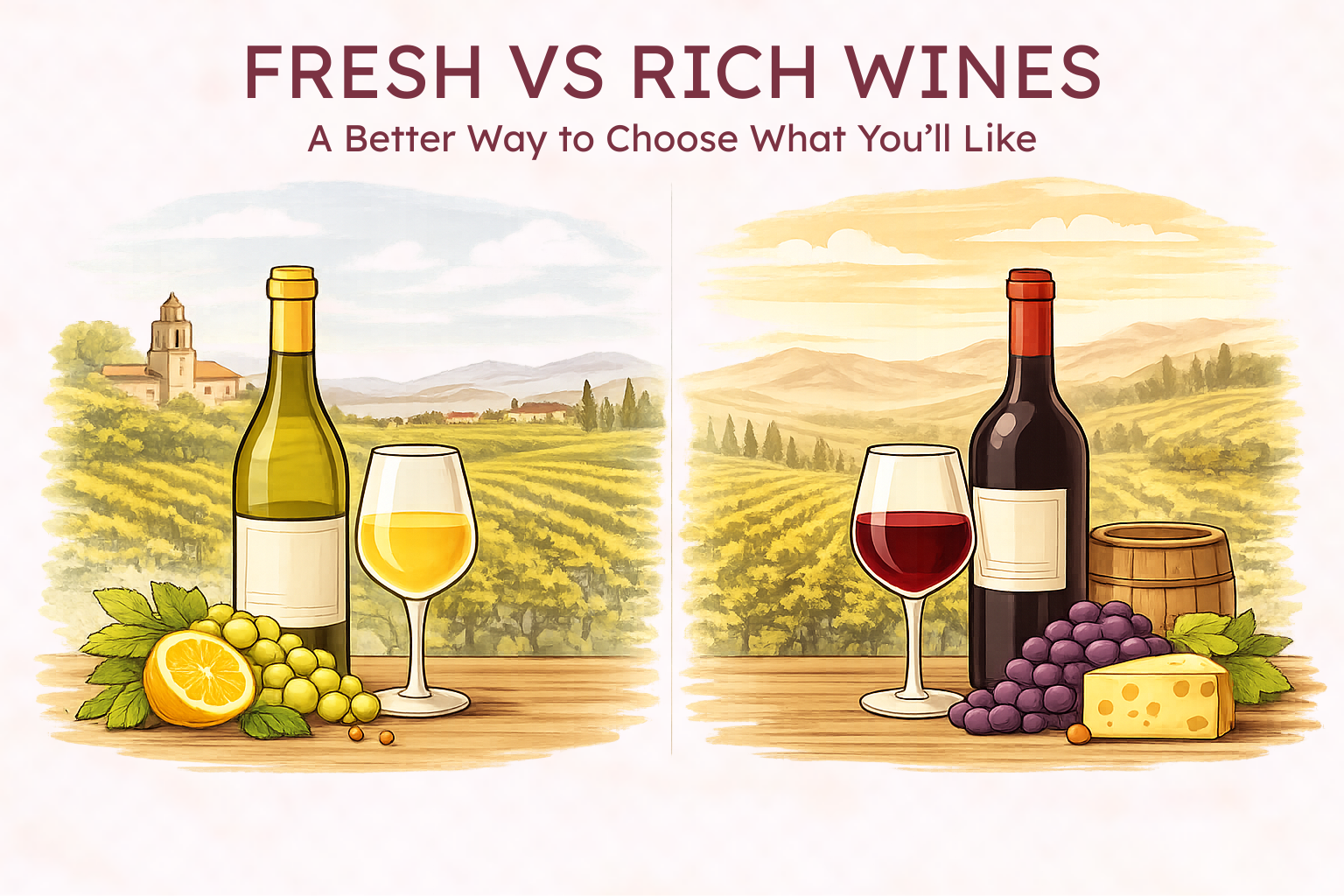
Fresh vs Rich Wines: A Better Way to Choose What You’ll Like
Not sure what wine to choose? Stop memorizing grape names. Learn the simple difference between fresh and rich wines and use it to confidently pick bottles you’ll actually enjoy.
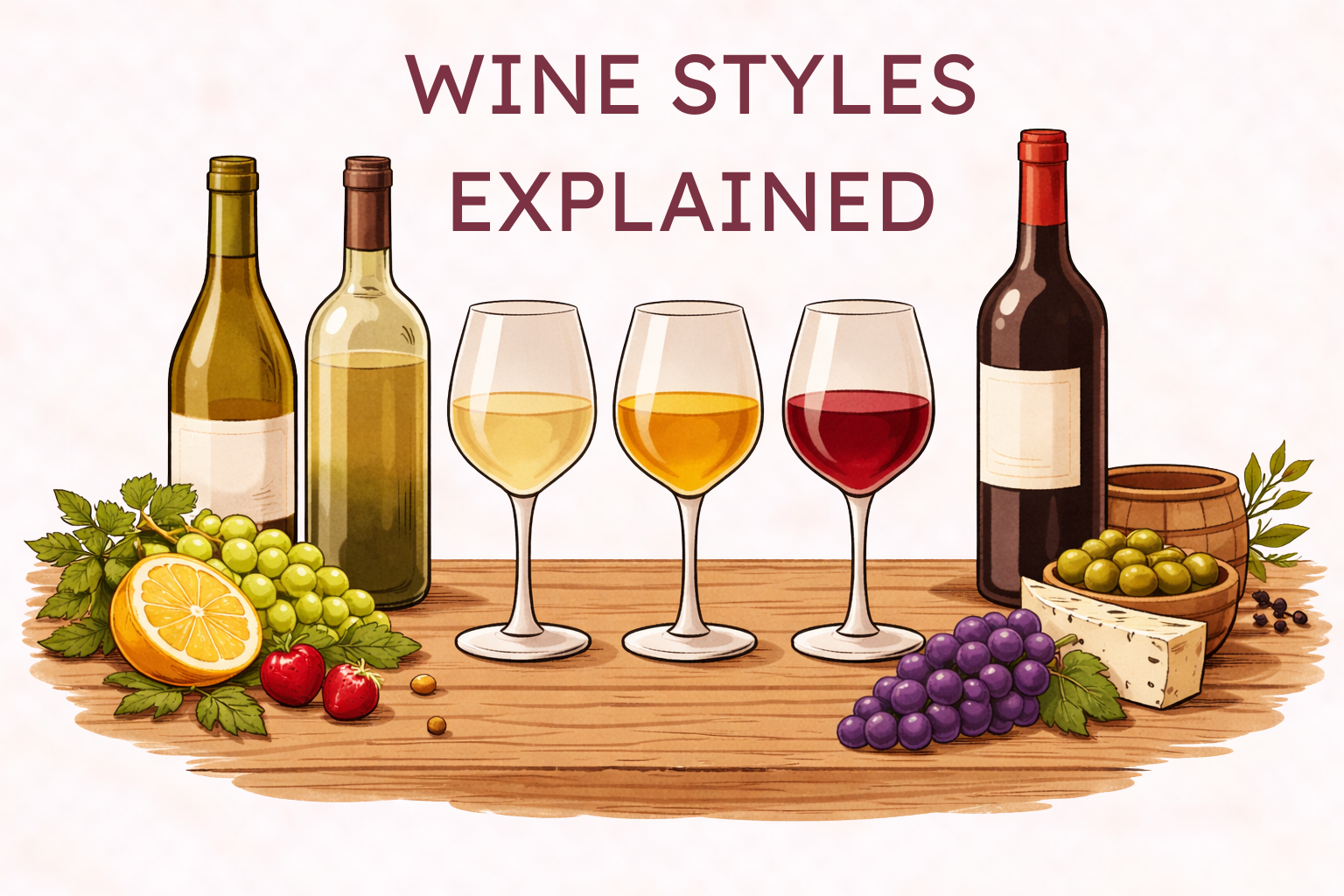
Wine Styles Explained: Light, Medium, and Full (Across Red & White)
Wine styles aren’t just about flavor—they’re about feel. Learn the difference between light-, medium-, and full-bodied wines across red and white, plus classic examples in each category, so you can order or buy with confidence every time.
Why Some Wines Feel Smooth and Others Feel Sharp
Why do some wines feel smooth while others feel sharp? Learn how acidity, tannin, alcohol, and oak shape texture and how to quickly tell what you’re actually tasting.
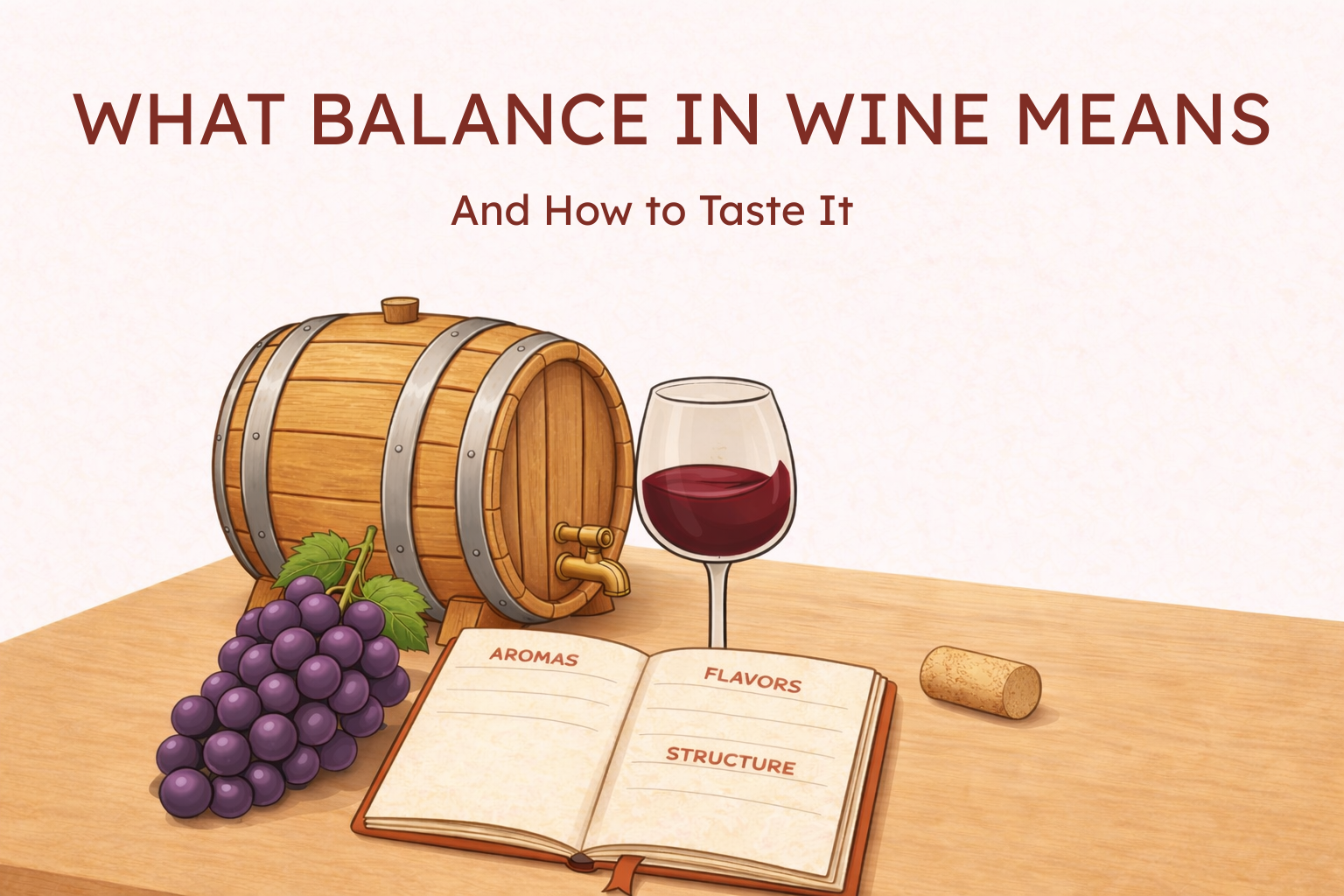
What Balance in Wine Means: And How to Taste It
Balanced wine isn’t about fancy tasting notes, it’s about harmony. Learn what “balance” actually means in wine, what throws a wine out of balance, and a simple 60-second method to taste it confidently.
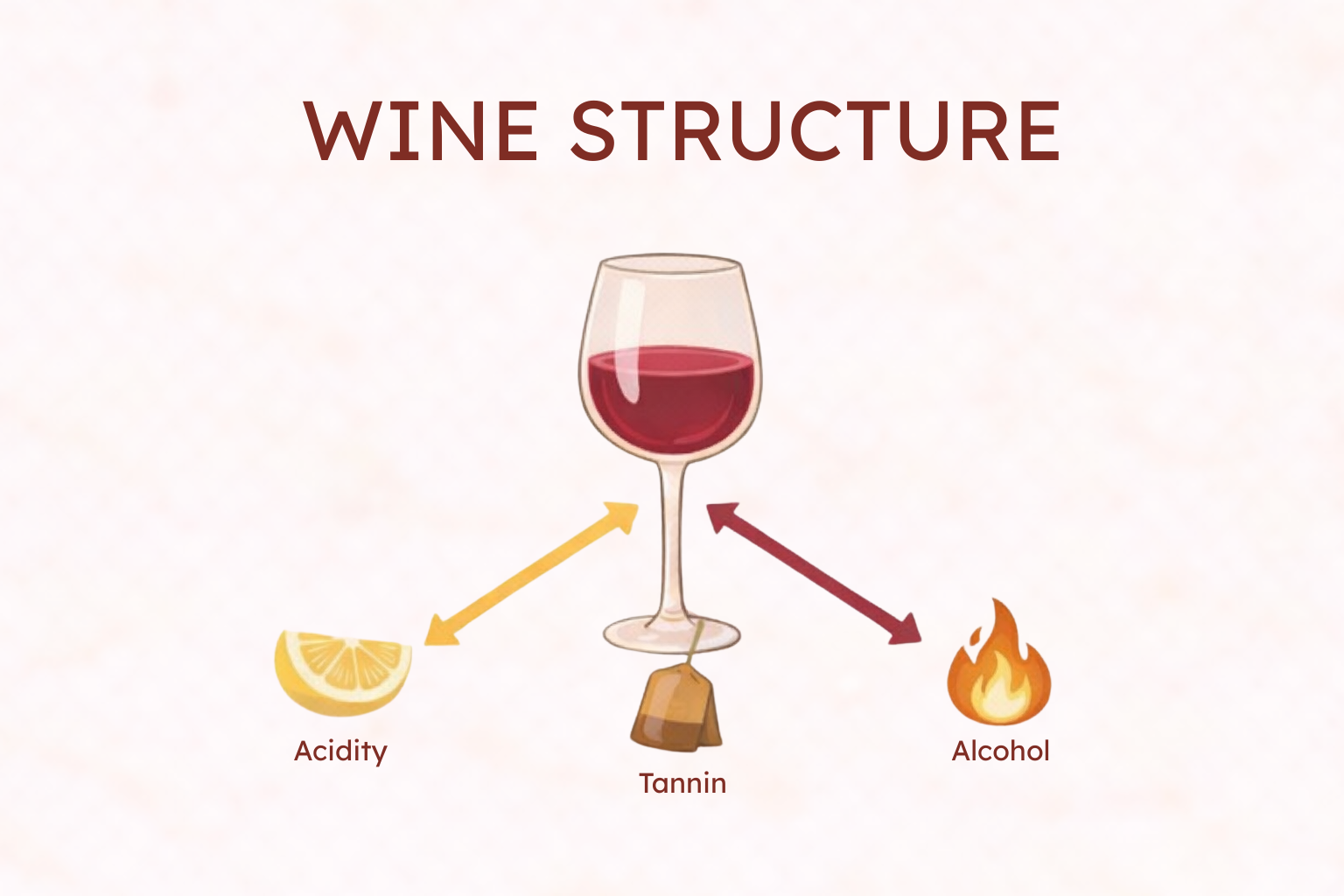
Acidity vs Tannin vs Alcohol: How Wine Structure Really Works
What really makes wine feel crisp, smooth, or warming? Learn how acidity, tannin, and alcohol work together to create wine structure and why understanding feel matters more than memorizing tasting notes. Once you know what to notice, wine becomes easier to choose, easier to pair with food, and easier to enjoy with confidence. No jargon required, just a clearer way to understand what’s happening in the glass.
Why Cheap Wine Can Taste Harsh (And When It Doesn’t)
Some inexpensive wines taste sharp, burning, or rough and it’s not just about price. Harshness usually comes from how alcohol, acidity, and structure show up when a wine is made quickly or without much balance. The good news is that cheap wine doesn’t have to taste harsh. Once you understand what causes that rough feeling — and what styles tend to avoid it — finding smooth, affordable bottles becomes a lot easier.