
Learn Wine, One Glass at a Time
Somm Scribe is a practical wine education blog designed to help you taste with confidence. From understanding wine labels and regions to learning how flavor, oak, and structure work together, each guide is built to make wine more approachable — one glass at a time.
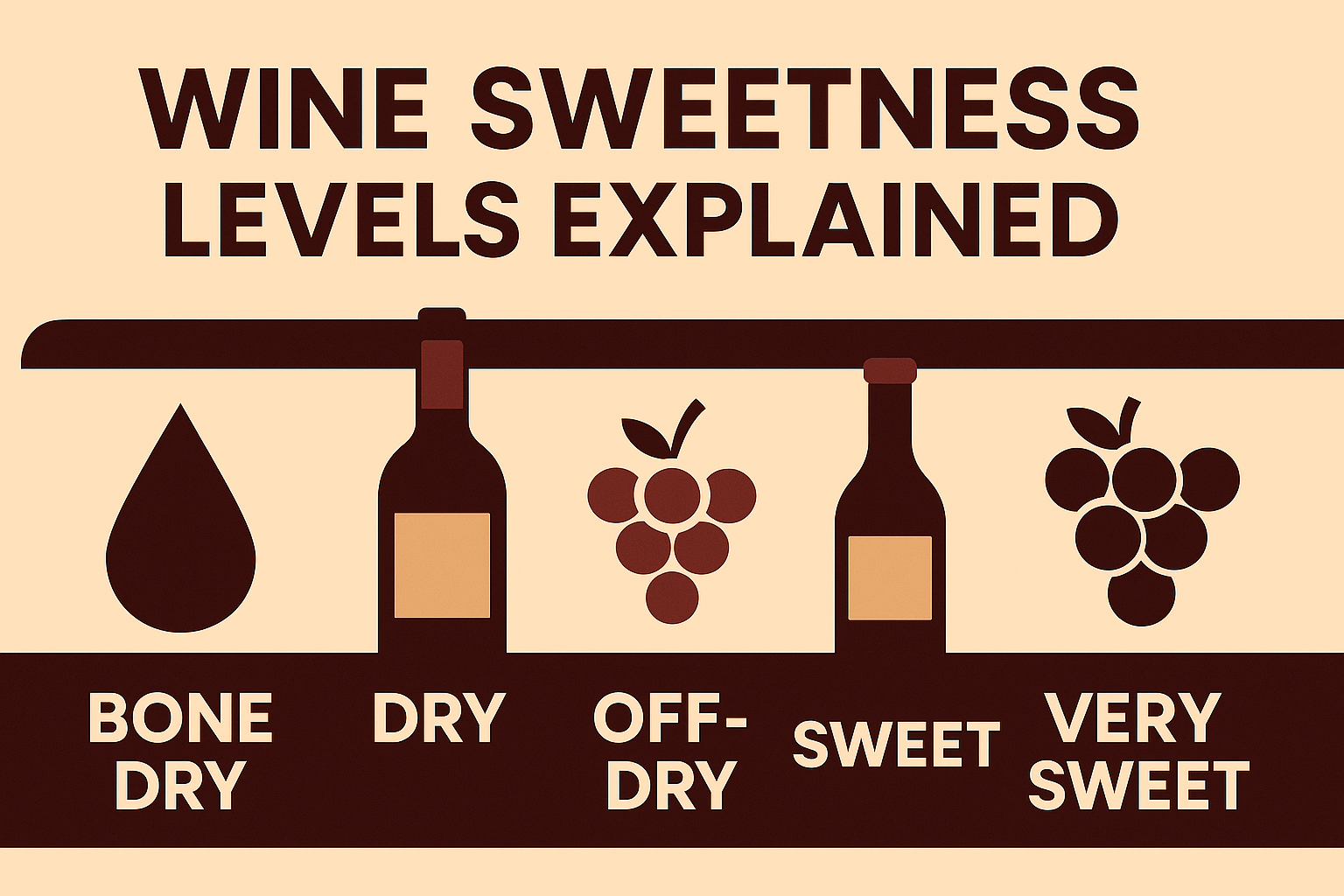
Wine Sweetness Levels Explained: Bone Dry to Sweet
Sweetness is one of the first things people notice about wine — yet it’s also one of the most misunderstood. A wine can be labeled “dry” and still taste fruity. Another can contain actual sugar but still feel refreshing. And then there are all the terms like off-dry, Brut, or late harvest, which seem like they belong in a glossary. This guide breaks everything down simply so you can understand what sweetness actually means, how it changes the way a wine tastes, and how to recognize where a wine sits on the spectrum.
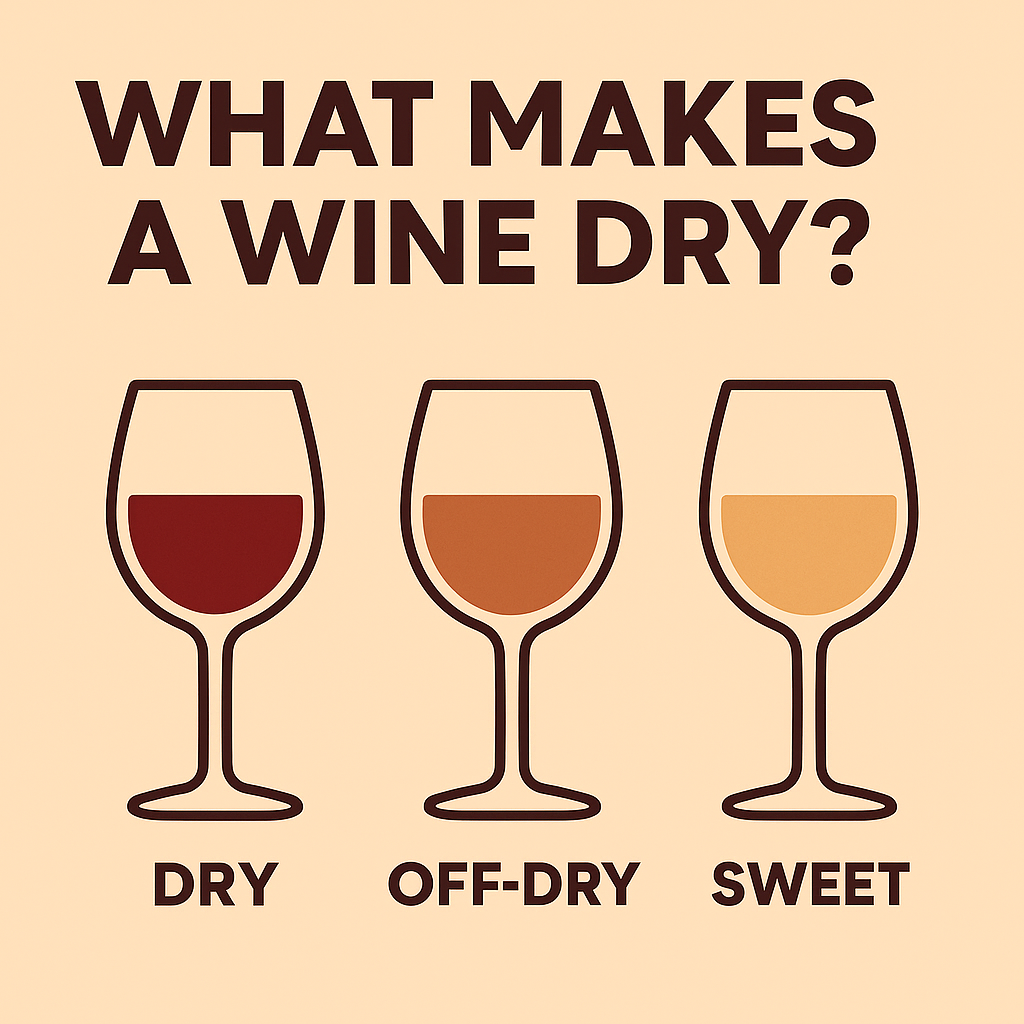
What Makes a Wine “Dry”? (And Why It Matters)
“Dry wine” is one of the most misunderstood terms in all of wine. Many people think dry means tannic, bitter, or not fruity — but that’s not actually what “dry” means at all. This guide clears it up in plain English so you know exactly what to expect when a wine is described as dry, off-dry, or sweet. When you understand dryness, choosing wine (and logging your tastings in Somm Scribe) becomes way easier.
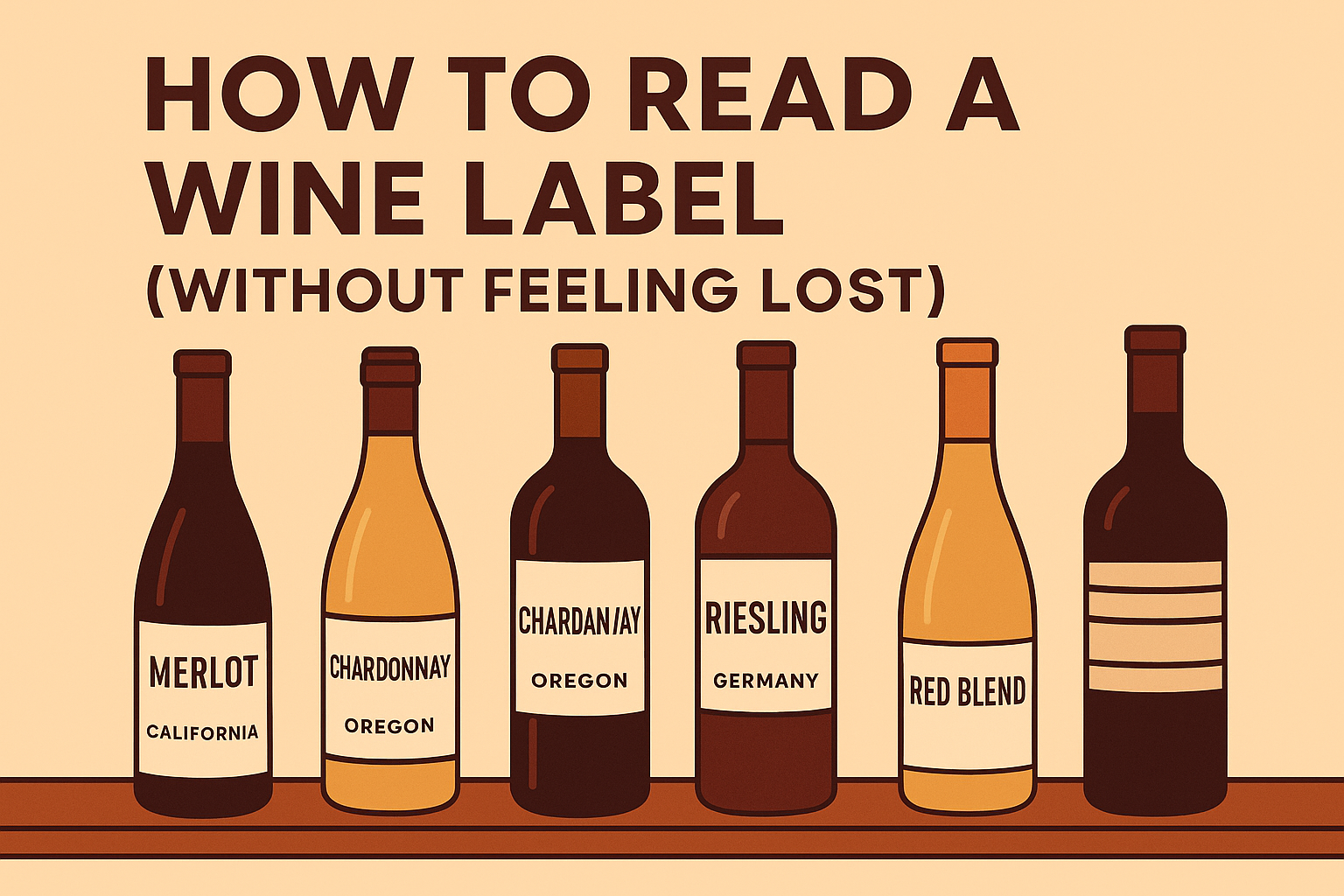
How to Read a Wine Label: Without Feeling Lost
Wine labels can feel confusing; foreign words, abbreviations, vineyards, regions, alcohol percentages, vintage years… and none of them tell you, in plain English, what the wine actually tastes like. Good news: once you know the key parts of a label, you can instantly understand style, quality, and what to expect in your glass. This guide breaks down the essentials so you can choose wine with confidence.
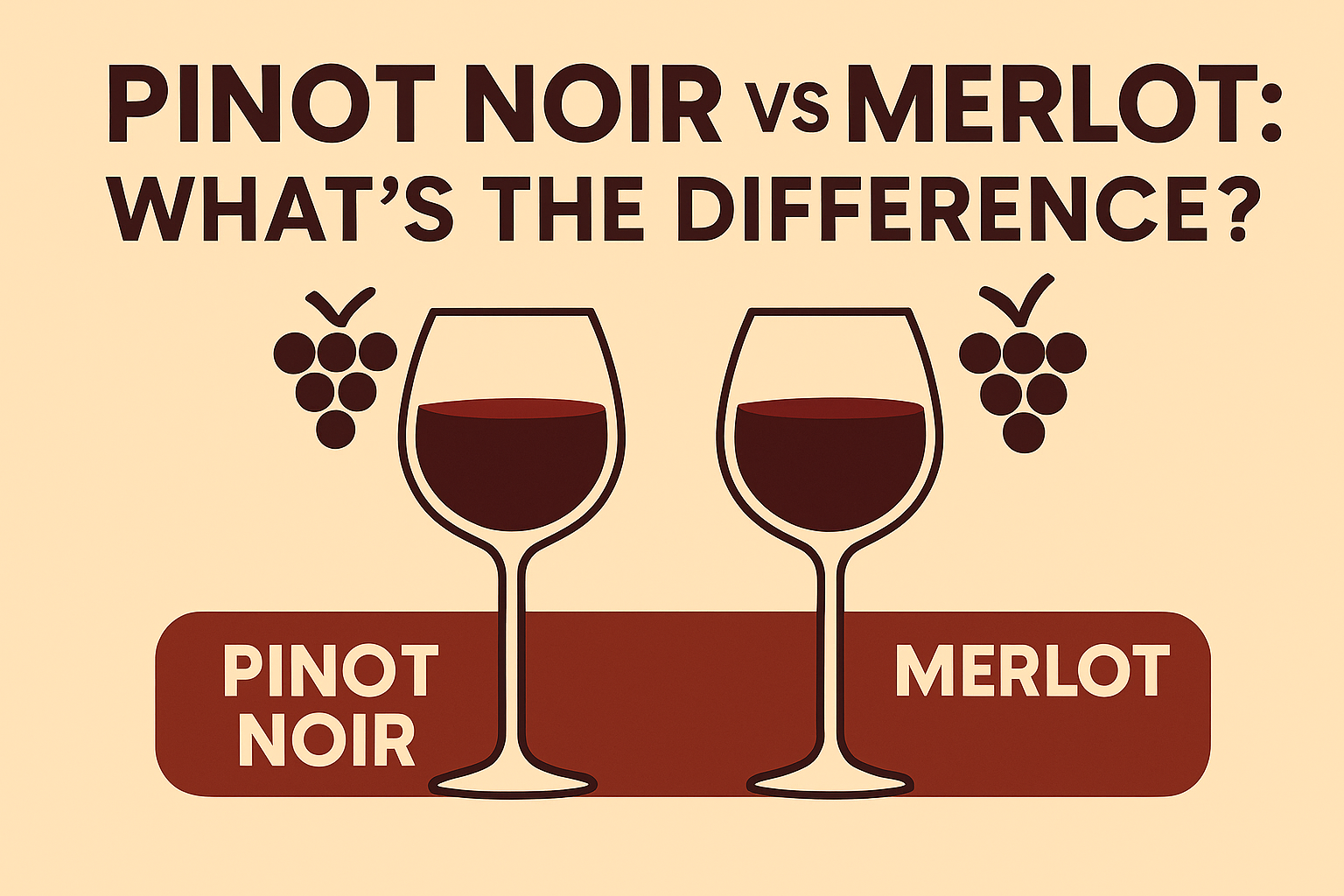
Pinot Noir vs Merlot: What’s the Difference?
Pinot Noir and Merlot are two of the most widely enjoyed red wines in the world — smooth, approachable, and full of fruit flavor. But they’re also very different in style, structure, and personality. If you’ve ever wondered which one you prefer (or why), this guide breaks down the key differences in an easy, side-by-side format.
Napa Valley Wine Guide: What Makes the Region Special
Napa Valley is one of the most famous wine regions in the world — a small strip of land in Northern California that produces bold reds, elegant whites, and some of the most sought-after bottles in the U.S. But what actually makes Napa wine unique? And how do you understand the styles that come from this iconic region?
What Is a Tasting Note?
When you’re learning about wine, you’ll eventually hear people talk about “tasting notes.” Sometimes they sound poetic, sometimes technical, and sometimes a little over the top — but the idea behind them is actually simple.
Chardonnay: Flavor, Styles & How to Taste It
Chardonnay is one of the most versatile and widely loved white wines in the world. It can be crisp and citrusy, rich and buttery, mineral-driven, tropical, or somewhere in between. If you're exploring Chardonnay or trying to understand what makes it so unique, this guide breaks down the flavors, styles, and tasting cues that help you get the most out of every glass.
Cabernet Sauvignon for Beginners: Flavor, Pairings & How to Taste It
Cabernet Sauvignon is one of the world’s most popular red wines — bold, structured, and packed with flavor. If you’re new to wine or just dipping your toes into bigger reds, Cabernet is the perfect place to start. This beginner’s guide breaks down what Cabernet tastes like, how to identify its aromas, what foods it pairs best with, and how to taste it properly.
How to Smell Wine: The Beginner’s Aroma Guide
If tasting wine feels intimidating, smelling wine can feel downright impossible. You swirl, you sniff… and suddenly everyone else is detecting “violets” and “wet stone,” while you’re over here getting “uh… grape?” Here’s the truth, you don’t need a superhuman nose to smell wine well. You just need a simple technique and a basic understanding of aroma categories.
How to Get Better at Wine Tasting: A Guide to Developing Your Palate
Most people think a “good palate” is something you’re born with. It’s not. Great tasters — sommeliers included — simply learn how to pay attention, taste consistently, and build a memory bank of flavors over time. The good news? Anyone can train their palate. You don’t need special senses, expensive bottles, or years of study. This guide will show you the easiest, most practical ways to get better at wine tasting, based on real sommelier training (minus the pretentious jargon). Let’s start building your palate.