
Light, Crisp, Smooth, or Bold: Which Wine Style Fits You?
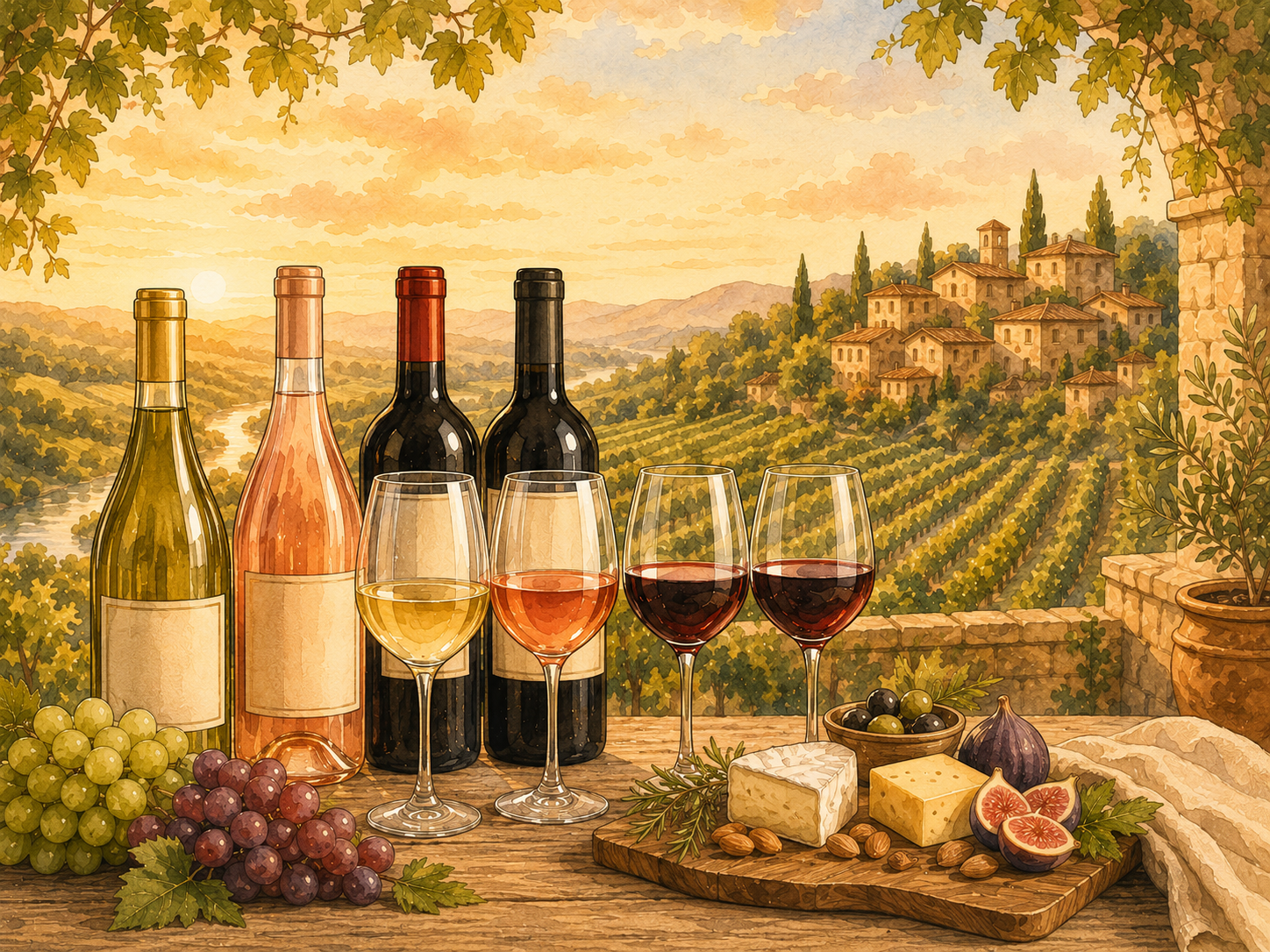
Choosing wine gets a lot easier when you stop trying to memorize every grape, region, and label and start paying attention to style. Most people do not need to know everything about wine to find bottles they enjoy. They just need a better way to describe what they like. That is where wine style comes in.
Some wines feel light and easy. Some taste crisp and refreshing. Some are smooth and soft. Others are bold, rich, and powerful. None of these styles is automatically better than the others. They simply create different drinking experiences, and the best style for you depends on your taste, the occasion, and what you are eating. If you are still learning how to describe wine, this guide will help you understand the difference between light, crisp, smooth, and bold wines so you can start choosing bottles with more confidence.
Want to remember which wines you actually like? Start a free Somm Scribe wine journal and save your notes as you taste.
Why Wine Style Matters
Wine can feel overwhelming because labels usually focus on grape names, regions, producers, and vintages. That information matters, but it is not always helpful when you are standing in a store wondering what you will actually enjoy drinking. Wine style gives you a simpler starting point. Instead of asking, “Do I like Cabernet Sauvignon from Napa or Bordeaux?” you can start with a more practical question: “Do I want something light, crisp, smooth, or bold?”
Once you understand your preferred style, grape names and regions become easier to navigate. You are not just guessing anymore. You are looking for wines that match the kind of experience you already know you enjoy. For a broader breakdown of the main categories, see Wine Styles Explained. That guide gives you the bigger picture of how different wines tend to feel and taste.
What Makes a Wine Light?
A light wine usually feels easy, delicate, and refreshing. It does not sit heavily on your palate, and it usually has lower alcohol, softer texture, and a cleaner finish. Light wines are often the kind of wines people describe as “easy drinking.” Light does not mean weak or boring. A good light wine can still have plenty of flavor. The difference is that the flavor feels lifted instead of heavy. You may notice red fruit, citrus, herbs, flowers, or mineral notes rather than deep jammy fruit, oak, spice, or high alcohol warmth.
Light white wines might include Pinot Grigio, Albariño, Vinho Verde, or lighter styles of Sauvignon Blanc. Light red wines might include Pinot Noir, Gamay, Frappato, or lighter styles of Grenache. Light wines are a good fit if you like wines that feel refreshing, subtle, and easy to sip. They are also great when you do not want the wine to overpower the food or the moment.
What Makes a Wine Crisp?
A crisp wine is usually defined by freshness. These wines tend to have noticeable acidity, which gives them a bright, mouthwatering quality. If a wine makes you think of lemon, green apple, grapefruit, lime, or fresh herbs, there is a good chance you are drinking something crisp. Crisp wines are especially popular with people who like refreshing drinks. If you enjoy sparkling water with lemon, tart apples, citrusy cocktails, or lighter beers, crisp wines may be a natural fit.
Common crisp white wines include Sauvignon Blanc, dry Riesling, Albariño, Grüner Veltliner, Chablis, and many sparkling wines. Crisp rosé can also be a great choice, especially if it is dry and refreshing rather than sweet and fruity. Crisp does not always mean light, though the two often overlap. A wine can be both light and crisp, but it can also be medium-bodied and still have a bright, fresh edge. The key is the acidity and the way the wine makes your mouth water.
What Makes a Wine Smooth?
Smooth is one of the most common words people use to describe wine, but it can mean a few different things. Usually, when someone says a wine is smooth, they mean it feels soft, rounded, and easy to drink. It does not feel harsh, sharp, bitter, or overly drying. Smooth wines often have softer tannins, lower perceived acidity, and a more rounded texture. In red wines, smoothness often comes from ripe fruit, gentle tannins, and sometimes oak aging. In white wines, smoothness may come from a fuller texture, lower acidity, or winemaking choices like oak aging or malolactic fermentation.
Examples of smoother red wines might include Merlot, Malbec, Grenache, Zinfandel, or softer styles of red blends. For white wines, Chardonnay is often the classic smooth option, especially if it has a creamy or round texture. Smooth wines are a good fit if you dislike wines that taste sharp, sour, bitter, or aggressively dry. They are also a solid choice when you want something comforting and easy to enjoy without thinking too hard about it.
What Makes a Wine Bold?
Bold wines feel bigger, richer, and more powerful. They often have fuller body, deeper fruit flavors, higher alcohol, more tannin, and a longer finish. These are the wines people describe as intense, rich, structured, or full-bodied. Common bold reds include Cabernet Sauvignon, Syrah, Petite Sirah, Malbec, Zinfandel, and some red blends. Bold white wines are less common, but fuller styles of Chardonnay, Viognier, and white Rhône blends can feel rich and powerful in their own way.
Bold wines are often a great match for hearty food. Think steak, burgers, barbecue, roasted meats, rich sauces, or aged cheeses. These wines have enough weight and structure to stand up to stronger flavors. If you want a deeper explanation of how wine weight works, read Wine Body Explained. Body is one of the biggest reasons a wine feels light, medium, or bold.
As you try different wine styles, save what you notice in Somm Scribe so you can start seeing patterns in what you enjoy.
How Balance Affects Every Wine Style
A wine can be light, crisp, smooth, or bold and still be balanced. Balance is not about making every wine taste the same. It is about how the parts of the wine work together. A crisp wine can have high acidity, but it should not taste painfully sour. A bold wine can have strong tannins, but they should not completely overwhelm the fruit. A smooth wine can feel soft and round, but it should not taste flat or boring. A light wine can be delicate, but it should still have enough flavor to be enjoyable.
That is why balance matters so much. It helps explain why two wines in the same general style can feel completely different. One may feel fresh, polished, and enjoyable, while the other feels harsh, dull, or out of place. For a deeper look at this concept, see What Balance in Wine Means.
Which Style Fits You?
If you like refreshing, easy-drinking wines, start with light wines. These are great for casual sipping, warm weather, appetizers, lighter meals, and moments when you want something simple and pleasant. If you like bright, mouthwatering flavors, crisp wines may be your best match. Look for wines with citrus, green apple, grapefruit, lime, mineral, or herbal notes. These wines are especially good with seafood, salads, goat cheese, sushi, grilled vegetables, and lighter chicken dishes.
If you want something soft and approachable, smooth wines are probably your lane. These wines are often easy to drink because they do not feel too sharp, bitter, or drying. Smooth reds can be great for weeknight dinners, pasta, pizza, roasted chicken, or casual sipping.
If you like bigger flavor and more intensity, bold wines may be the right fit. These wines tend to work best when you want something rich, structured, and powerful. They are especially useful for steak, barbecue, burgers, short ribs, and other heavier meals.
You may also find that your preferred style changes depending on the situation. You might want crisp Sauvignon Blanc on a summer afternoon, smooth Merlot with pizza, and bold Cabernet Sauvignon with steak. That does not mean your taste is inconsistent. It means you are starting to understand wine in a more flexible and useful way.
How to Use These Styles When Buying Wine
The next time you are buying wine, do not start by trying to pick the “best” bottle. Start by choosing the style you want. Ask yourself, “Do I want something light and easy, crisp and refreshing, smooth and soft, or bold and powerful?” From there, you can narrow your choices. If you want light and crisp, look for Sauvignon Blanc, Albariño, Pinot Grigio, Vinho Verde, or dry Riesling. If you want smooth and red, look for Merlot, Malbec, Grenache, or a softer red blend. If you want bold, look for Cabernet Sauvignon, Syrah, Petite Sirah, Zinfandel, or a fuller-bodied red blend.
This approach also helps you build a better wine rotation. Instead of buying random bottles every time, you can create a small set of go-to styles for different occasions. Maybe you keep one crisp white, one smooth red, one bold red, and one sparkling wine around so you always have something that fits the moment. For help building that kind of practical lineup, read How to Build a Go-To Wine Rotation.
Final Sip
You do not need to know every wine term to make better choices. Start with the basics: light, crisp, smooth, and bold. These four style words can give you a much clearer way to understand what you like and explain it to someone else. Light wines are easy and delicate. Crisp wines are fresh and mouthwatering. Smooth wines are soft and rounded. Bold wines are rich and powerful.
Once you know which direction you usually lean, wine shopping becomes less intimidating. You can still explore new grapes, regions, and producers, but you are no longer starting from scratch. You are building from your own taste. And that is the real goal: not to sound like a wine expert, but to find wines you actually enjoy drinking.
Ready to stop guessing what wines you like?
