
How to Choose a Wine You’ll Actually Like
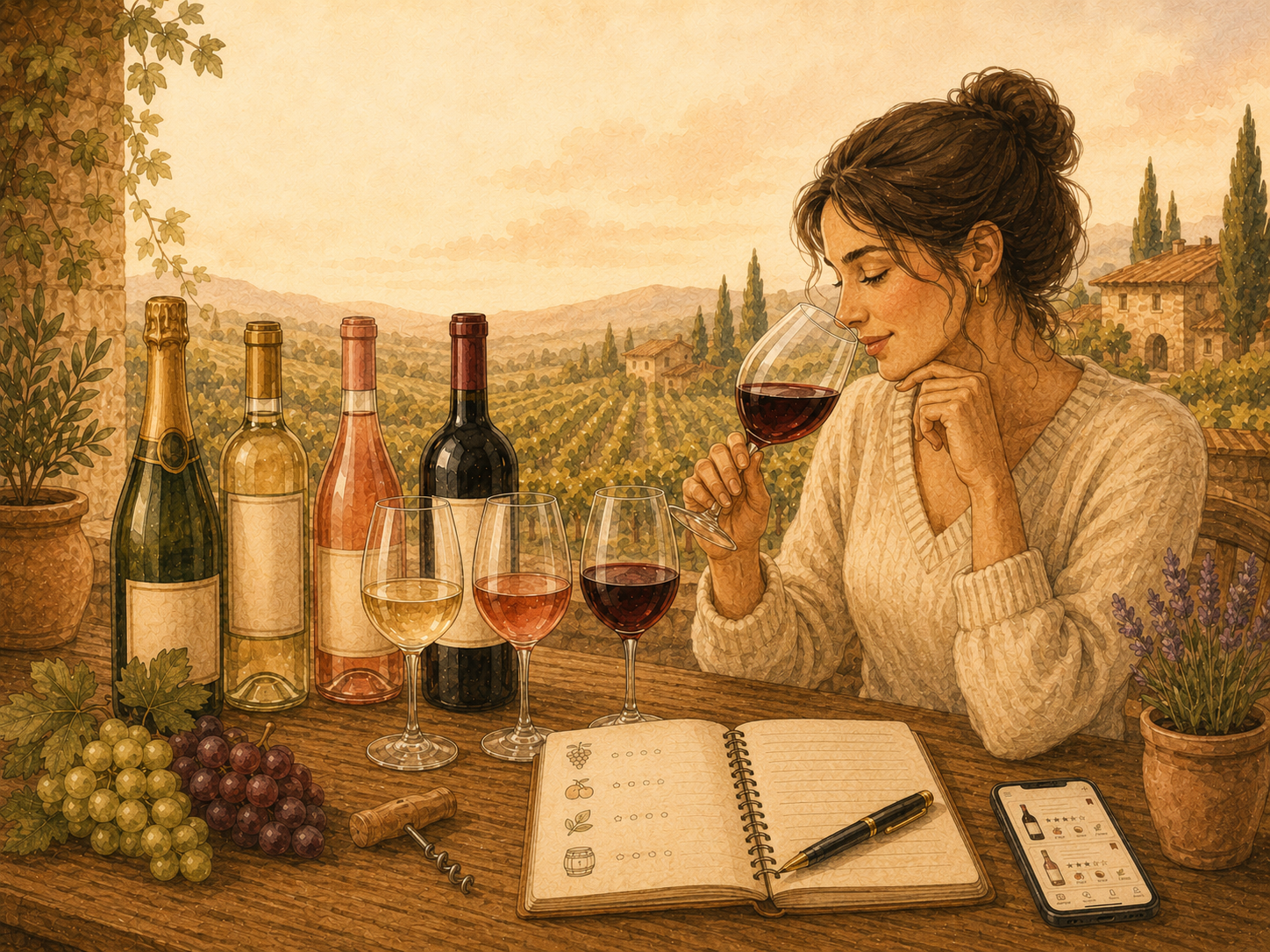
Choosing wine should not feel like guessing in the dark. But for a lot of people, it does. You stand in front of a wall of bottles, see words like “dry,” “bold,” “crisp,” “earthy,” “jammy,” “oaked,” and “minerally,” and somehow you are supposed to know which one you will enjoy. Then you pick a bottle based on the label, the price, or a random recommendation, only to get home and realize it is not really your style. The good news is that choosing wine gets much easier once you stop trying to pick the “best” wine and start trying to pick the wine that matches your taste. That is the real goal. Not the highest score. Not the fanciest region. Not the bottle someone else says you should like. The best wine for you is the one you actually want to drink again.
Start With What You Already Know You Like
Before you worry about grape varieties, regions, or wine ratings, start with your own preferences. Think about drinks and flavors you already enjoy. Do you like bright, tart flavors like lemon, green apple, and grapefruit? You may enjoy crisp white wines or lighter reds with higher acidity. Do you prefer richer flavors like vanilla, baking spice, caramel, or dark fruit? You may like fuller-bodied reds or oaked white wines.
If you enjoy black coffee, dark chocolate, or strong tea, you may be more open to wines with tannin and bitterness. If you prefer sweeter drinks, fruit-forward cocktails, or flavored sparkling water, very dry or earthy wines may feel harsh at first. This does not mean your wine taste will match your food and drink preferences perfectly, but it gives you a better starting point than grabbing a random bottle.
Stop Guessing Which Wine You'll Like
Every bottle you try teaches you something—if you remember it. Start a free wine journal with Somm Scribe to track what you enjoy, spot patterns, and make every wine purchase easier.
Learn the Main Wine Style Clues
Most wine choices become easier when you understand a few basic style clues. You do not need to memorize every grape or region. You just need to recognize the language that points toward how a wine is likely to taste.
A wine described as crisp usually means it has refreshing acidity. Think Sauvignon Blanc, Pinot Grigio, Albariño, or some unoaked Chardonnays. These wines often taste fresh, clean, and bright.
A wine described as rich usually means it has more body, texture, or weight. Think oaked Chardonnay, Viognier, or some fuller white blends.
A wine described as light-bodied will usually feel easier and softer in your mouth. Pinot Noir, Gamay, and some lighter red blends often fit here.
A wine described as bold usually means more body, more intensity, more alcohol, more tannin, or deeper fruit. Cabernet Sauvignon, Syrah, Malbec, Zinfandel, and some red blends often fall into this category.
If these categories still feel fuzzy, start with a broader guide like Wine Styles Explained. It can help you connect common wine words to what you actually experience in the glass.
Decide What You Want the Wine to Do
A wine that is perfect for one situation might be wrong for another. Are you drinking it on its own while relaxing? You may want something smooth, easy, and not too intense. Are you pairing it with dinner? You may want something that works with the food. Are you bringing it to a party? You may want a crowd-pleaser. Are you trying to learn? You may want a bottle that clearly shows a specific grape or style.
This matters because “good wine” is not one thing. A crisp Sauvignon Blanc may be great with a summer salad but feel too sharp if you wanted something cozy and rich. A big Cabernet may be perfect with steak but feel heavy if you are sipping it without food. Before you buy, ask yourself: what am I using this wine for? That one question can narrow your options fast.
Pay Attention to Body
Body is one of the most useful clues when choosing wine. It describes how heavy or light the wine feels in your mouth. Light-bodied wines feel more delicate. They are often easier to drink and less intense. Medium-bodied wines sit in the middle and are usually flexible with food. Full-bodied wines feel richer, heavier, and more powerful.
If you often feel overwhelmed by red wine, you may be choosing bottles that are too full-bodied. Try Pinot Noir, Gamay, or lighter red blends instead of Cabernet Sauvignon or Syrah. If white wine often feels too thin or sharp to you, try a richer white like Chardonnay, Viognier, or white Rhône-style blends instead of very crisp whites. Body is not about quality. It is about fit.
Know Whether You Like Crisp or Smooth
A lot of wine preference comes down to whether you like freshness or softness. Crisp wines have more noticeable acidity. They can taste refreshing, bright, citrusy, tart, or mouthwatering. Smooth wines usually feel softer, rounder, and less sharp. If you like wines that feel refreshing and clean, look for words like crisp, fresh, bright, zesty, citrusy, or high-acid. If you like wines that feel softer and fuller, look for words like smooth, round, plush, velvety, rich, or creamy.
Neither style is better. But knowing which one you tend to prefer can keep you from buying bottles that sound good but do not match your taste.
Be Honest About Sweetness
Many beginners say they like “sweet wine” when they actually mean they like fruity wine. These are not the same thing. A wine can taste like ripe fruit and still be dry. A California Zinfandel, Australian Shiraz, or fruit-forward Pinot Noir may taste full of berries without being technically sweet. On the other hand, some wines have actual residual sugar, which gives them true sweetness.
If you want a little sweetness, that is fine. Look for wines labeled off-dry, semi-sweet, demi-sec, or sweet. Riesling, Moscato, some rosé, and some sparkling wines can be good places to start. If you do not want sugar but still want fruit flavor, look for fruit-forward dry wines. Ask for wines with ripe fruit, soft tannins, and low bitterness. The key is being specific. “I want something fruity but not sweet” is a very useful thing to say at a wine shop.
Do Not Choose Based on Price Alone
Price can tell you something, but it does not guarantee that you will like the wine. An expensive bottle can still be the wrong style for you. A cheaper bottle can be perfectly enjoyable if it matches your preferences. Especially when you are still learning, it is better to buy wines that help you understand your taste than to chase prestige.
A good strategy is to pick a comfortable price range and compare wines within it. Try a few bottles between $12 and $25 before jumping into more expensive options. You will learn more from tasting different styles than from buying one “serious” bottle and hoping it impresses you. Once you know what you like, spending more becomes easier because you are not guessing as much.
Use the Back Label, But Do Not Trust It Completely
Back labels can be helpful, but they are also marketing. Look for useful style words like crisp, dry, full-bodied, oaked, fruit-forward, earthy, smooth, or tannic. These can give you clues. But be careful with vague phrases like “perfectly balanced,” “elegant,” “complex,” or “pairs with everything.” Those words may sound nice, but they do not always tell you much.
The best back labels give you practical information: grape, region, flavor notes, body, sweetness, aging, and pairing ideas. If a label says the wine has flavors of blackberry, vanilla, and oak, you can expect something richer and darker. If it says lemon, green apple, and mineral, you can expect something brighter and crisper. The goal is not to decode every word. The goal is to pick up enough clues to make a better guess.
Ask Better Questions at the Wine Shop
You do not need to sound like a wine expert to get good help. In fact, simple, honest questions usually work best. Instead of asking, “What is a good wine?” say something like, “I usually like smooth reds that are fruity but not sweet. I do not love bitter or super dry wines. What would you recommend?”
Or, ask:
“I want a crisp white wine for dinner, but I do not want anything too grassy or sharp.”
“I liked this bottle of Pinot Noir. What should I try next that is similar but maybe a little fuller?”
The more specific you are, the better the recommendation will be. Wine shop staff cannot read your mind, but they can usually help if you give them a few preference clues.
Keep Track of What You Like and Dislike
This is where most people miss the biggest opportunity. They drink a bottle, have a reaction to it, and then forget the details. A month later, they are back at the store guessing again. You do not need complicated tasting notes. You just need enough information to recognize patterns. Write down the wine name, grape, region, price, where you bought it, what you tasted, whether you liked it, and whether you would buy it again.
If you want a simple structure, use a Wine Tasting Notes Template so you are not starting from a blank page every time. Your notes do not need to sound professional. They need to be useful. “Too dry for me,” “liked the cherry flavor,” “good with pizza,” “too much oak,” or “would buy again for summer” are all valuable notes. For a deeper breakdown of what is worth recording, read Wine Notes: What to Write Down When You Taste a Bottle.
Turn Every Bottle Into Better Wine Choices
The fastest way to discover your favorite wines is to keep simple tasting notes. Somm Scribe organizes everything in one place so you can remember what you liked, compare wines, and confidently choose your next bottle.
Look for Patterns Over Time
One note is helpful. Ten notes are powerful. After you track a handful of wines, you may start seeing patterns. Maybe you like Pinot Noir more than Cabernet. Maybe you enjoy Sauvignon Blanc from New Zealand but prefer Chardonnay when you want something fuller. Maybe you like red wines under 14% alcohol. Maybe you keep enjoying wines from Spain, Oregon, or the Loire Valley.
This is how your personal taste map starts to form. You are no longer choosing wine based on random recommendations. You are choosing based on evidence from your own experience. That is also why keeping a wine journal matters. It does not have to be formal or time-consuming. The point is to remember what you drank and learn from it. If you want a low-pressure approach, read How to Keep a Wine Journal Without Overthinking It.
Use “Would I Buy This Again?” as Your Main Question
Ratings can be useful, but they can also make wine feel more complicated than it needs to be. One of the simplest questions is: would I buy this again? If the answer is yes, write down why. Was it the flavor? The price? The food pairing? The smoothness? The freshness? The occasion?
If the answer is no, write down why. Too bitter? Too sweet? Too sharp? Too heavy? Too boring? That one question keeps your notes practical. You are not trying to judge the wine for everyone. You are trying to make better buying decisions for yourself.
Try Similar Wines, Then Try Small Variations
Once you find a wine you like, do not immediately jump to something completely different. Try nearby styles first. If you like Pinot Noir, try Gamay, Grenache, or lighter red blends. If you like Cabernet Sauvignon, try Merlot, Malbec, or red Bordeaux-style blends. If you like Sauvignon Blanc, try Albariño, Verdejo, or dry Riesling. If you like Chardonnay, try Viognier, white Burgundy, or other fuller-bodied whites.
This approach helps you expand your taste without starting over every time. Think of it like building a playlist. You do not need every song to sound the same, but you want some connection between what you already like and what you try next.
Do Not Force Yourself to Like “Serious” Wines
Some wines are considered classic, expensive, or important. That does not mean you have to like them. If you do not enjoy earthy Pinot Noir, high-tannin Cabernet, funky natural wine, bone-dry Riesling, or heavily oaked Chardonnay, that is fine. Your taste can change over time, but forcing yourself to like something usually makes wine less enjoyable.
There is nothing wrong with preferring smooth, fruity, crisp, light, bold, sweet, dry, simple, or affordable wines. The only mistake is pretending to like something because you think you are supposed to. Wine is personal. Your preferences count.
Never Wonder What to Buy Again
Instead of relying on labels, ratings, or recommendations, build your own record of wines you've tasted. Over time you'll know exactly which styles, grapes, and regions fit your palate.
Final Sip
Choosing a wine you will actually like is not about becoming a wine expert overnight. It is about paying attention to your own taste. Start with simple style clues. Notice whether you prefer crisp or smooth, light or bold, dry or slightly sweet, fruity or earthy. Keep track of what you buy and how you feel about it. Over time, your notes will start to show you what to reach for and what to avoid.
The more you learn about your own preferences, the less intimidating the wine aisle becomes. And that is the real win: not choosing the “perfect” bottle, but choosing a bottle you are excited to open.
