
The Best Wine Styles to Keep on Hand at Home
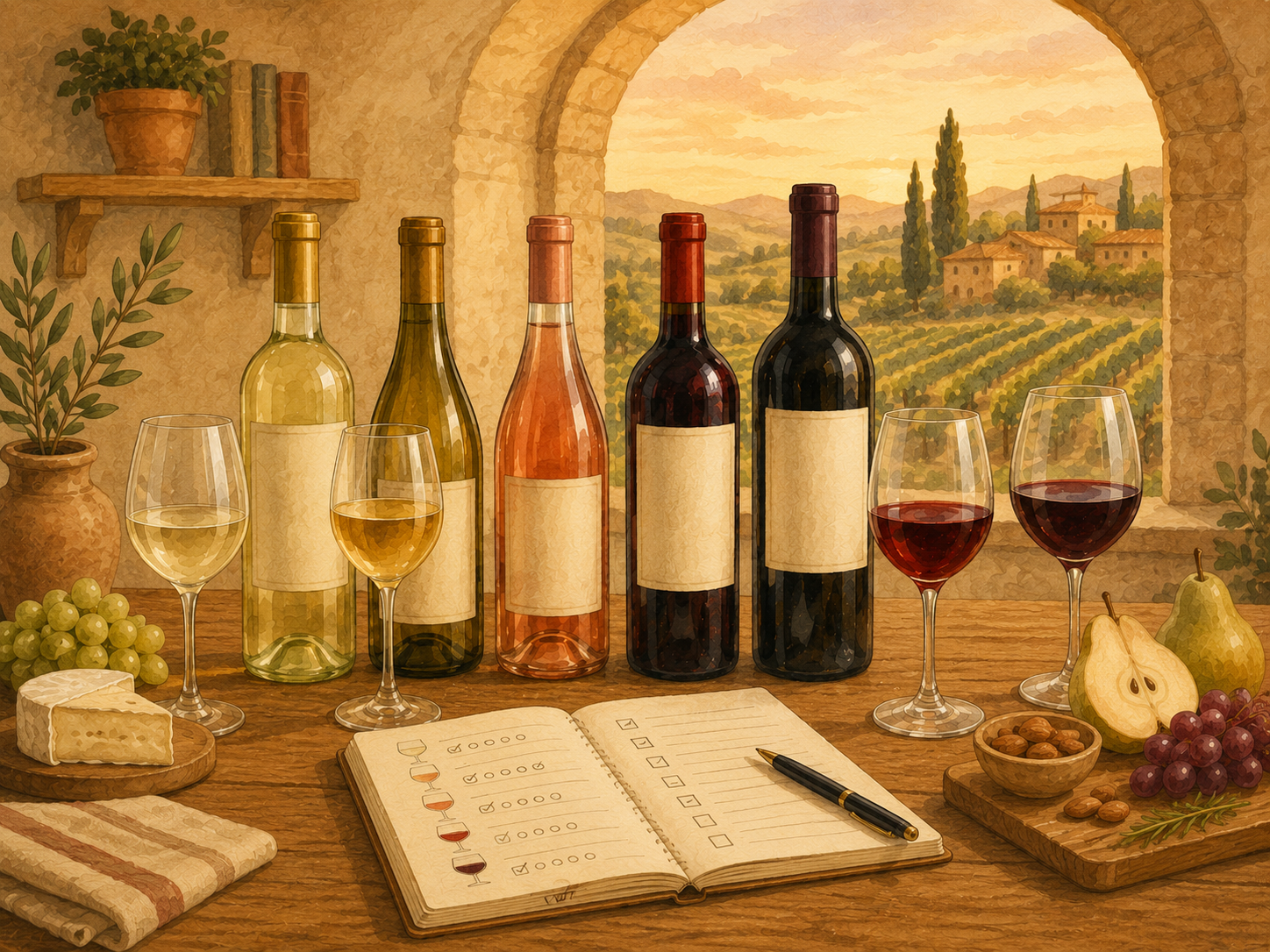
Keeping wine at home does not mean building a cellar or stocking dozens of bottles. For most people, a small mix of dependable wine styles is far more useful. The goal is to have a few bottles that cover different foods, moods and occasions so you are not starting from scratch every time you want to open something.
A good home wine selection might include a crisp white, a richer white, a lighter red and a fuller red. From there, you can adjust the mix around what you actually enjoy drinking. If you are still figuring out the differences between these categories, start with our guide to Wine Styles Explained. It is a helpful way to think about wine beyond individual grapes and regions.
A Crisp, Refreshing White
A crisp white is one of the most versatile wines you can keep around. These wines tend to have noticeable acidity, refreshing fruit flavors and a lighter overall feel. They work especially well when you want something easy to drink before dinner or alongside lighter foods. Good examples include:
Sauvignon Blanc
Pinot Grigio
Albariño
Dry Riesling
Vermentino
Sauvignon Blanc is particularly useful because it can pair well with salads, seafood, vegetables, goat cheese and dishes with fresh herbs. If that sounds like your style, our Sauvignon Blanc Explained guide breaks down what it tastes like and how different regions can change the flavor.
Keep one on hand if: you regularly eat lighter meals or prefer wines that taste fresh and bright.
A Richer, Rounder White
Not every white wine needs to be light and crisp. A richer white gives you something with more body, texture and weight. It can work better with roasted chicken, creamy pasta, salmon and richer dishes where a very light white might feel overwhelmed. Chardonnay is the obvious choice here, but Chardonnay itself can range from lean and mineral-driven to creamy, buttery and oak-forward. That range is why it helps to understand Chardonnay Flavor Styles before deciding which version belongs in your regular rotation.
Keep one on hand if: you like fuller whites or frequently cook richer meals.
A Lighter, Flexible Red
You do not always need Cabernet Sauvignon or another powerful red just because you want red wine. Lighter reds can be some of the easiest bottles to keep around because they work with a surprisingly wide range of foods. They can also be enjoyable without food when you simply want a glass of red that does not feel heavy.
Look for wines such as:
Pinot Noir
Gamay
Grenache
Barbera
Lighter styles of Sangiovese
These wines can work with pizza, pasta, chicken, pork, mushrooms and many weeknight meals. If your mental picture of red wine is something dark, tannic and intense, read Red Wine Doesn’t Have to Be Heavy. There is a much broader range of red wine styles than many beginners realize.
Keep one on hand if: you want a dependable red that can handle plenty of different meals.
4. A Fuller Red for Bigger Meals
There are still plenty of occasions when a bigger red is exactly what you want. Fuller reds usually bring more body, tannin and concentration. They tend to work best with foods that have enough richness and flavor to stand up to them. Common options include:
Cabernet Sauvignon
Malbec
Syrah or Shiraz
Tempranillo
Red blends
This is the bottle you might reach for with steak, burgers, braised meat or a hearty winter dinner. You do not necessarily need several versions. One dependable fuller red that you already know you enjoy can cover this category perfectly well.
Keep one on hand if: you regularly cook richer meals or enjoy bold reds on their own.
What About Rosé and Sparkling Wine?
They are not mandatory, but they can make a home wine rotation much more flexible. A dry rosé can sit somewhere between your crisp white and lighter red. It works well with grilled food, appetizers, salads and casual meals Sparkling wine is even more versatile than its celebration-only reputation suggests. A dry sparkling wine can work with salty snacks, fried food, seafood and plenty of everyday meals.
If you drink either regularly, they deserve a spot in your rotation. If you rarely reach for them, there is no reason to stock them just because a traditional wine collection says you should.
You Do Not Need One of Everything
The best wine selection for your home should reflect what you actually drink. If you almost never drink bold reds, you probably do not need to keep three Cabernets around. If Sauvignon Blanc disappears from your refrigerator every week, keeping a few bottles makes much more sense. A simple starting point could be:
2 crisp whites
1 richer white
2 lighter reds
1 fuller red
That gives you six bottles covering a wide range of situations without turning your wine rack into an inventory management project. Then adjust the ratios based on what you finish first.
Pay Attention to What You Keep Replacing
One of the easiest ways to understand your wine preferences is to watch what you actually restock. The bottles you repeatedly buy tell you more about your taste than the bottles you think you are supposed to like. When you find a wine you enjoy, make a quick note about its style, what you ate with it and whether you would buy it again. Over time, you will start seeing patterns.
Final Sip
There is no universal list of wines everyone should keep at home. The useful categories are broad: something crisp, something richer, something lighter in red and something with more weight. The specific grapes, regions and bottles inside those categories should come from your own preferences.
Start small. Pay attention to what you enjoy. Replace the bottles you miss when they are gone. Before long, you will have a home wine selection that makes choosing a bottle much easier because nearly everything on the rack is there for a reason
Want an easier way to remember which bottles deserve another spot in your rotation? Start Your Free Wine Journal with Somm Scribe and keep your favorites, tasting notes and preferences in one place.
