
Why Some Wines Taste Better the Second Time You Try Them
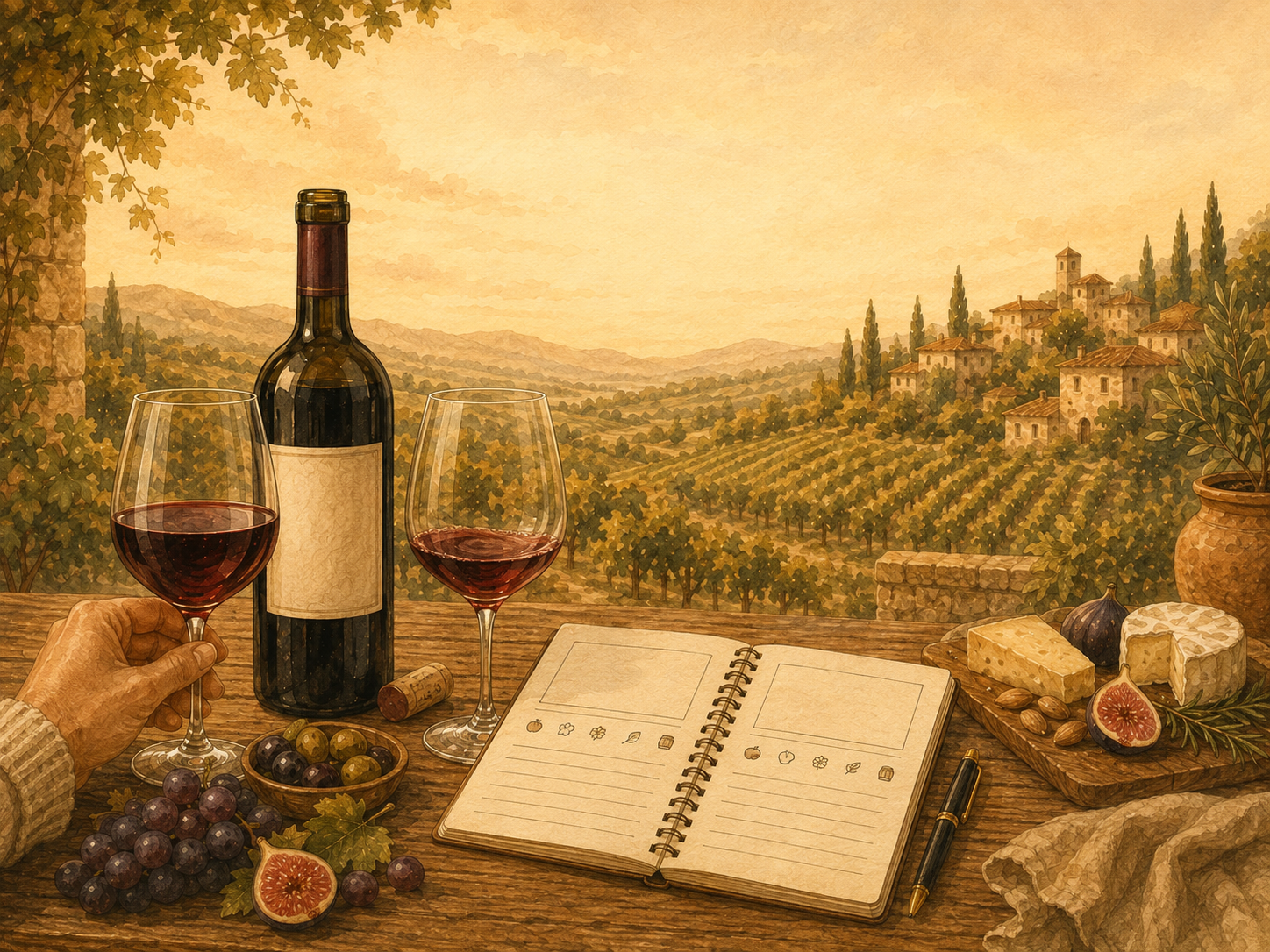
You open a bottle, take a few sips and decide it is not for you. Then you try the same wine later that evening or even the next day and suddenly it tastes smoother, more balanced or simply more enjoyable. Did the wine change? Did your taste buds change? Or did you just need more time to understand what was in the glass? The answer could be a little of all three.
Wine is not always a one-sip experience. Some bottles need air, some work better with food and some take time for your palate to adjust. That is why keeping track of repeat tastings can tell you much more than a quick first impression.
The Wine May Need Time to Open Up
Wine begins changing as soon as it comes into contact with oxygen. For some wines, especially young reds, the first pour can taste tight, sharp or overly tannic. After sitting in the glass for 20 to 30 minutes, the aromas may become easier to notice and the texture may feel softer.
A wine that initially tastes like mostly alcohol, acidity or tannin may start showing fruit, spice, herbs or other flavors once it has time to breathe. This does not mean every wine improves with air. Some lighter or older wines can fade quickly. Still, giving a wine a little time before making a final judgment is usually worthwhile.
Give the Wine a Second Chance
Your first impression does not have to be your final rating. Use Somm Scribe to record how a wine changes from the first pour to the last glass.
Food Can Completely Change the Experience
A wine tasted by itself may feel too acidic, bitter or intense. Pair that same wine with dinner and it can suddenly make much more sense. Acidity can feel refreshing next to rich food. Tannins can soften when paired with protein. Sweetness may become more noticeable when the food is salty or spicy.
This is one reason a wine might disappoint during a quick tasting but work beautifully when served with the right meal. When you write down what you ate alongside the wine, you begin learning whether you disliked the bottle itself or simply drank it in the wrong setting.
Your Palate Adjusts as You Drink
The first sip of a wine is often the most surprising. Your palate may need a moment to adjust to the wine’s acidity, tannin, alcohol or sweetness. Once you know what to expect, the next few sips can feel more balanced. This is especially common when you are trying a style you do not drink often.
A beginner who usually drinks soft, fruity reds might find a dry, tannic Cabernet unpleasant at first. After a few sips, the structure may become less distracting and the fruit may become easier to recognize. This does not mean you need to force yourself to like every wine. It simply means your first reaction may be based more on surprise than preference.
The Setting May Be Different
Wine does not exist in a vacuum. Your mood, surroundings, company and expectations can all affect how a bottle tastes. A wine enjoyed at a relaxing dinner may seem better than the same wine tasted while distracted, tired or stressed. Serving temperature also matters. A red wine served too warm can taste heavy and alcoholic. A white served too cold can seem muted and flavorless.
This connects closely with Why the Same Wine Can Taste Better or Worse on Different Days, which explores how outside factors can shape the tasting experience.
The Wine May Actually Change Overnight
Some wines taste better the next day after being recorked and stored properly. A little oxygen can soften aggressive tannins and reveal aromas that were hidden when the bottle was first opened. This is particularly common with young, full-bodied reds. However, not every bottle improves overnight. Fresh whites, delicate reds and older wines may lose their energy or fruit. The important thing is to taste the wine again rather than assuming it will be exactly the same.
Your Wine Knowledge Is Growing
Sometimes the wine has not changed much at all. You have. The more wines you try, the easier it becomes to recognize acidity, tannin, body, sweetness and familiar flavor patterns. A wine that once seemed strange may become more interesting once you understand its style.
Learning what a tasting note includes can make this process easier. What Is a Tasting Note explains how tasting notes help you describe a wine without needing complicated language. You may also find that your preferences evolve. Many wine drinkers gradually become more comfortable with drier, more acidic or more structured wines as they gain experience.
Track How Your Taste Changes
Record repeat tastings in Somm Scribe so you can see which wines grow on you and which ones still are not your style.
Why Repeat Tastings Are Worth Recording
It is easy to rate a wine once and move on. However, a single rating may not tell the whole story. Consider writing down:
Your first impression
How long the wine had been open
Whether you drank it with food
Any changes in aroma or flavor
Whether you liked it more or less later
Whether you would buy it again
You do not need to write a long review. How to Keep a Wine Journal Without Overthinking It shows how a few simple notes can help you remember what mattered. You can also use a Wine Tasting Notes Template to make repeat tastings easier to compare. Over time, these notes may reveal useful patterns. You might discover that you prefer red wine after it has been open for an hour or that certain wines only work for you with food. Those details make future wine buying much easier.
Should You Always Try a Wine Twice?
Not necessarily. If a wine smells like vinegar, wet cardboard or something clearly unpleasant, it may be flawed. You also do not need to finish a bottle you genuinely dislike. However, when a wine simply feels confusing, harsh or underwhelming, give it a little time. Let it breathe, try it with food or revisit it the next day. A second tasting does not guarantee that you will like it. It gives the wine a fairer chance and helps you better understand your own preferences.
Final Sip
Wine can change in the glass and your experience can change along with it. The bottle may need oxygen. The food may improve the pairing. Your palate may need time to adjust. You may even notice something the second time that you completely missed the first. Instead of treating every first impression as final, use it as the beginning of the tasting.
Build a Better Picture of Your Preferences
Somm Scribe helps you track first impressions, repeat tastings and the small details that explain why you enjoyed a wine.
