
The Three Easiest Food and Wine Pairings That Always Work
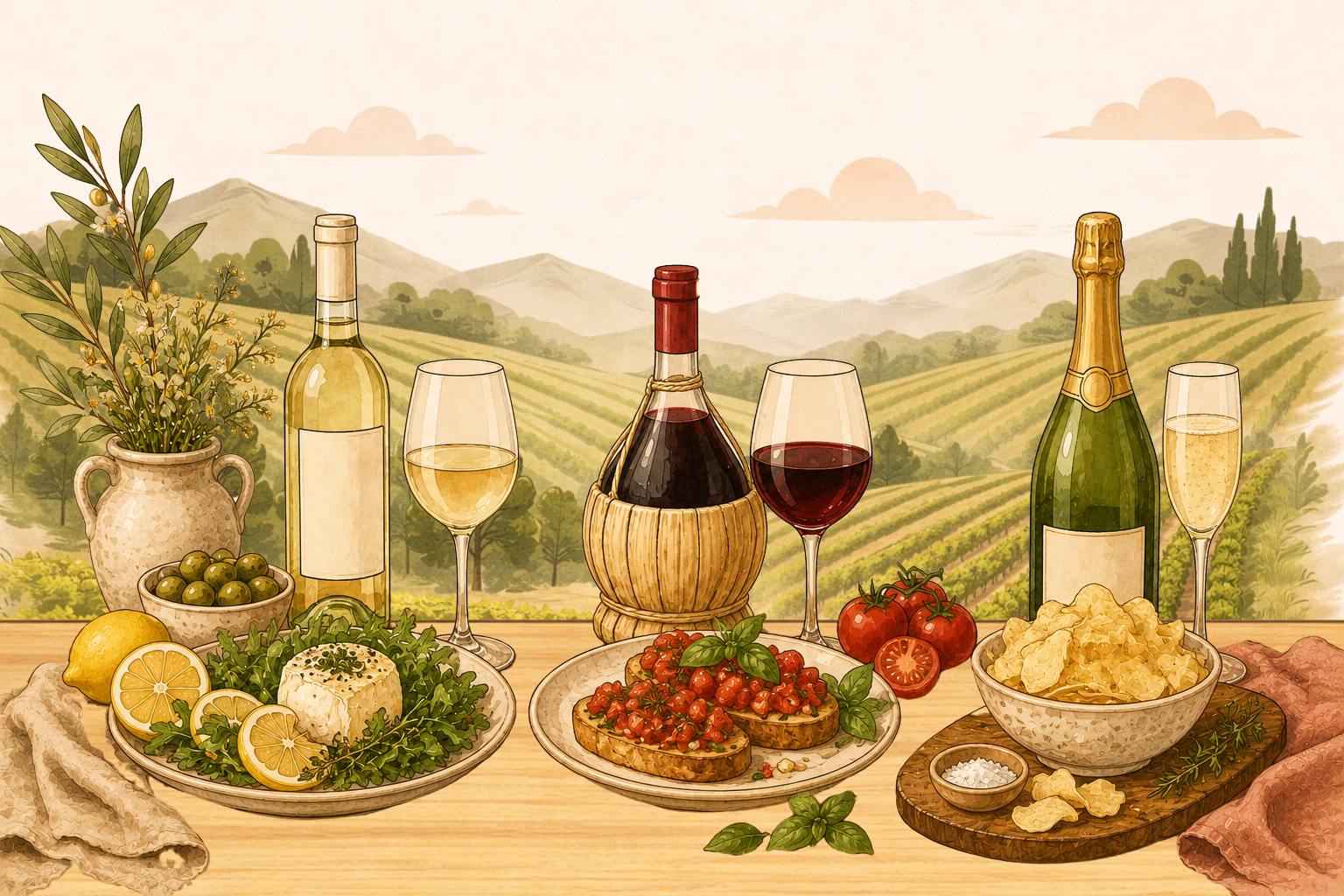
Food and wine pairing can get weirdly complicated. People talk about regional rules, sauce weight, tannin structure, acidity, sweetness, fat, salt, herbs, texture, cooking method, and suddenly you’re standing in the wine aisle wondering if dinner was a mistake. It does not need to be that dramatic.
The easiest way to get better at pairing wine with food is to start with combinations that are hard to mess up. Not because they are fancy. Not because a sommelier would nod approvingly from across the room. But because the flavors naturally help each other.
If you want the bigger framework, start with our guide to How to Pair Wine With Food. But for now, these three pairings are the simple, reliable ones worth remembering.
Sauvignon Blanc with Bright, Fresh Foods
Sauvignon Blanc is one of the easiest white wines to pair because it usually has one big advantage: acidity. That acidity makes the wine feel crisp, refreshing, and clean. It also helps it work with foods that are fresh, citrusy, herbal, salty, or lightly creamy. Think of Sauvignon Blanc like a squeeze of lemon over food. It wakes things up.
That’s why it works so well with meals like:
Goat cheese salad
Grilled chicken with lemon
Fish tacos
Shrimp with herbs
Asparagus, zucchini, or green vegetables
Fresh salads with vinaigrette
Herby pasta or pesto-style dishes
The key is freshness. Sauvignon Blanc usually shines when the food feels bright instead of heavy. A creamy chicken Alfredo might make Sauvignon Blanc feel a little sharp. But lemony chicken with herbs? Perfect. A giant steak? Probably not. But grilled shrimp with lime and avocado? Now we’re talking. This is also why Sauvignon Blanc is such a useful “weeknight wine.” It works with the kinds of meals people actually make when they want something light, fresh, and not overly complicated.
For a deeper breakdown of the wine itself, read Sauvignon Blanc Explained.
Chianti with Tomato-Based Italian Food
Chianti and tomato sauce are one of those pairings that just makes sense. Tomatoes are acidic. Chianti is usually bright, dry, and savory with enough acidity to keep up. Instead of the wine tasting flat or the food making the wine seem harsh, they meet each other in the middle. That’s the magic.
Chianti works especially well with:
Spaghetti with red sauce
Lasagna
Pizza
Chicken Parmesan
Pasta with sausage and tomato
Meatballs
Bruschetta
Baked ziti
This pairing is not about being fancy. It’s about balance. A very soft, low-acid red can taste dull next to tomato sauce. A huge, high-alcohol red can overpower the meal. Chianti usually lands in that sweet spot where the wine has enough structure to handle the food without bullying it. It also has savory notes that play nicely with garlic, herbs, olive oil, browned cheese, and roasted meats. That makes it one of the most practical red wines to keep around if you cook Italian-ish food even semi-regularly. And yes, pizza counts. We are not pretending pizza night needs a dissertation.
If you want to understand why this wine is so popular, read Chianti Explained.
3. Sparkling Wine with Salty, Crispy Foods
Sparkling wine might be the most underrated food wine. People often save it for celebrations, but honestly, that is selling it short. Sparkling wine is ridiculously useful with food because it brings acidity, bubbles, and refreshment all at once. That makes it great with salty, crispy, fried, or snacky foods. The bubbles help scrub your palate clean. The acidity cuts through richness. The dryness keeps the pairing from feeling heavy. It’s basically the wine version of hitting reset between bites.
Sparkling wine works beautifully with:
Fried chicken
Potato chips
French fries
Popcorn
Fried fish
Tempura
Salty appetizers
Charcuterie
Creamy cheeses
This is one of those pairings that sounds casual but tastes way better than people expect. A crisp sparkling wine with fries or fried chicken is not “low brow.” It’s smart. Salty, crunchy food plus cold bubbles is a genuinely excellent combination. The main thing to watch is sweetness. For most savory foods, look for dry sparkling wine. Brut is usually the safe bet. It gives you that crisp, refreshing feeling without turning the pairing sugary.
Why These Pairings Work So Reliably
These pairings work because they follow simple patterns. Sauvignon Blanc works with fresh foods because acidity makes bright flavors feel even better. Chianti works with tomato-based dishes because the wine and food both have acidity, plus enough savory flavor to support each other. Sparkling wine works with salty, crispy foods because bubbles and acidity refresh your mouth between bites. That’s really the heart of food and wine pairing. You are not trying to memorize every possible bottle and every possible dish. You are learning a few patterns that keep showing up.
Once you understand the pattern, you can improvise. A lemony chicken dish? Think Sauvignon Blanc. Tomato sauce and herbs? Think Chianti. Something crispy, salty, or fried? Think sparkling wine. That is a lot more useful than trying to remember a giant pairing chart.
A Simple Way to Use This Tonight
The next time you’re choosing wine for dinner, don’t start with the wine aisle. Start with the food. Ask yourself what the meal feels like. Is it bright and fresh? Go Sauvignon Blanc. Is it tomato-based, herby, and savory? Go Chianti. Is it salty, crispy, fried, or snacky? Go sparkling. That one shift makes pairing feel much easier. You’re no longer guessing based on a label or price tag. You’re matching the wine to what the food needs.
The Bottom Line
Food and wine pairing gets easier when you stop trying to be perfect. You do not need to know every region, grape, or restaurant rule. You just need a few dependable combinations that help you build confidence.
Start with these three:
Sauvignon Blanc with bright, fresh foods.
Chianti with tomato-based Italian dishes.
Sparkling wine with salty, crispy foods.
They are simple, practical, and they work because the flavors actually make sense together. The more you notice those patterns, the easier wine becomes not because you memorized the “right” answer, but because you understand why the pairing works. And that’s the whole point.
