
Learn Wine, One Glass at a Time
Practical, beginner friendly wine education to help you taste with confidence. From understanding labels and regions to pairing food and building your palate, we make wine approachable one guide at a time.
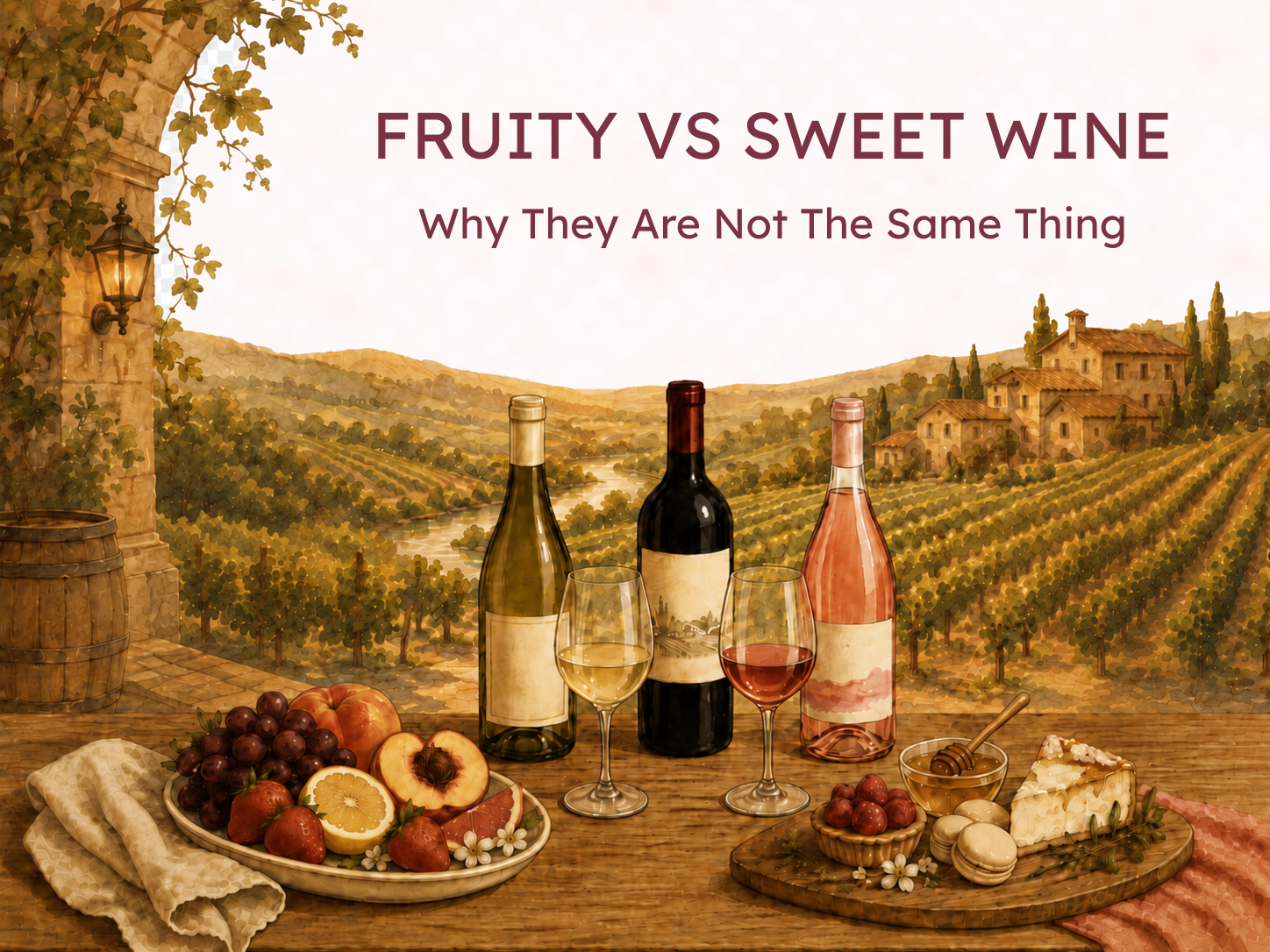
Fruity vs Sweet Wine: Why They Are Not the Same Thing
Fruity wine and sweet wine are often confused, but they describe two different things. Fruity refers to flavors and aromas, while sweet refers to sugar. This beginner-friendly guide explains how a wine can taste like cherries, peaches, citrus, or berries and still be completely dry.
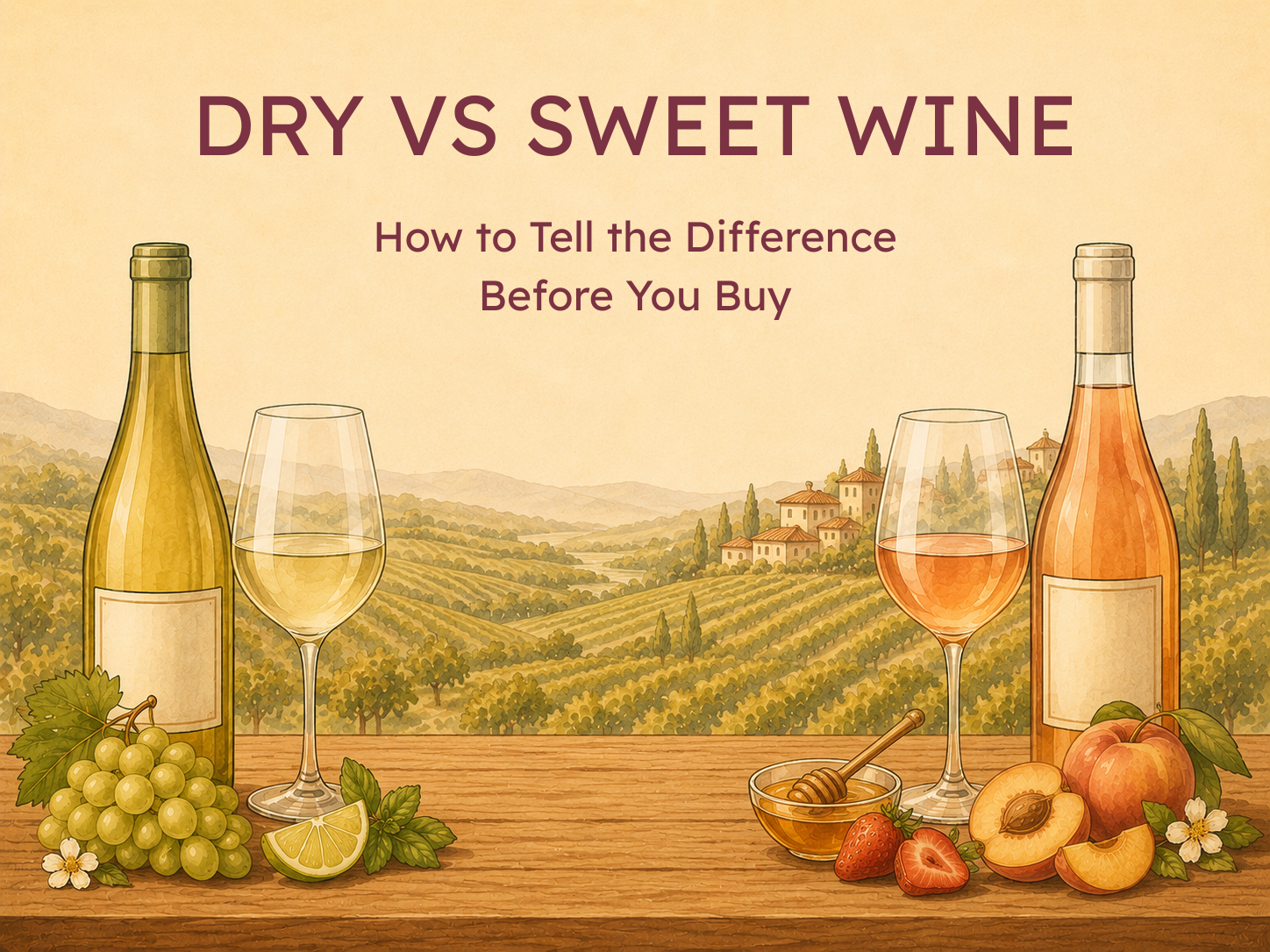
Dry vs Sweet Wine: How to Tell the Difference Before You Buy
Dry and sweet wine are easy to confuse, especially when a bottle tastes fruity but not sugary. This beginner-friendly guide explains what dry wine really means, how sweetness works, and the label clues that help you choose the right bottle before you buy.
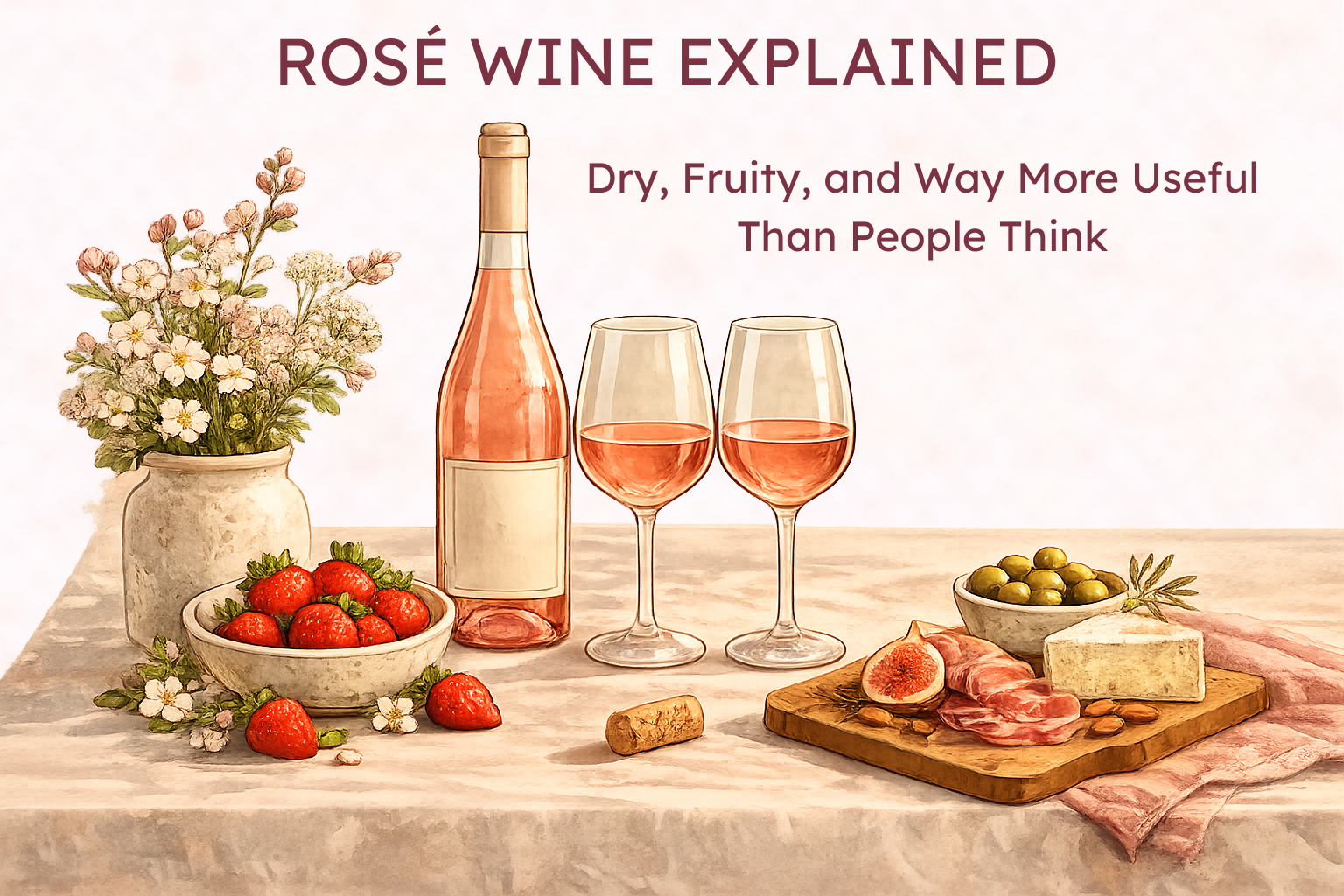
Rosé Explained: Dry, Fruity, and Way More Useful Than People Think
Rosé isn’t just “pink wine.” Most of it is dry, incredibly flexible, and easier to choose than you think. This guide breaks down exactly how it works so you can pick the right bottle every time.
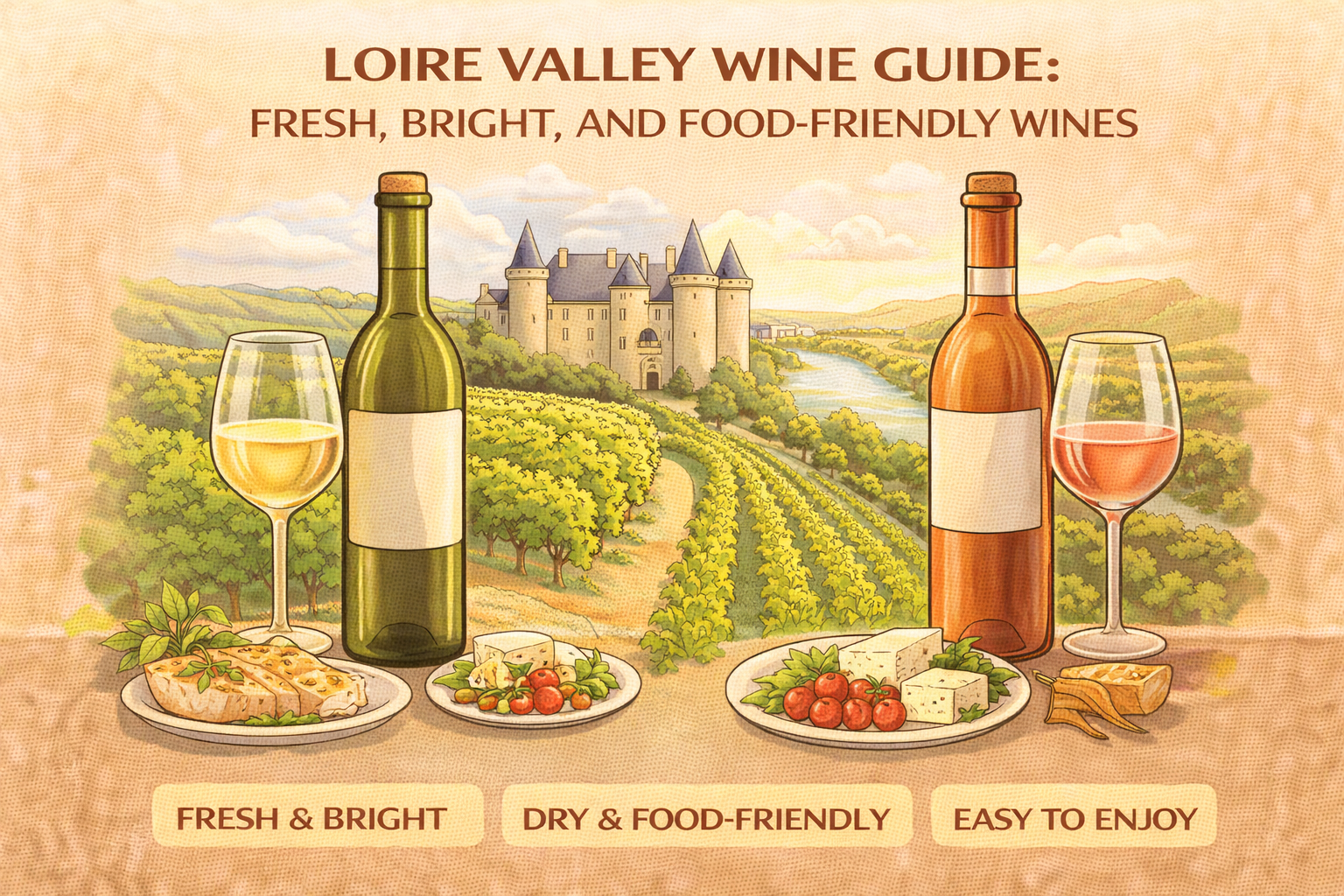
Loire Valley Wine Guide
The Loire Valley doesn’t usually shout for attention. It doesn’t have the prestige weight of Burgundy or the immediate recognition of Napa. And that’s exactly why people tend to fall for it. Loire wines are often described as easy but that doesn’t mean simple or boring. They’re approachable in the best way: fresh, balanced, and naturally suited to food. If you’ve ever wanted a wine that feels at home at the table without demanding too much thought, the Loire is a great place to look. This guide isn’t about memorizing villages or appellations. It’s about understanding how Loire wines tend to feel, so you know when to reach for them and why they work so well.
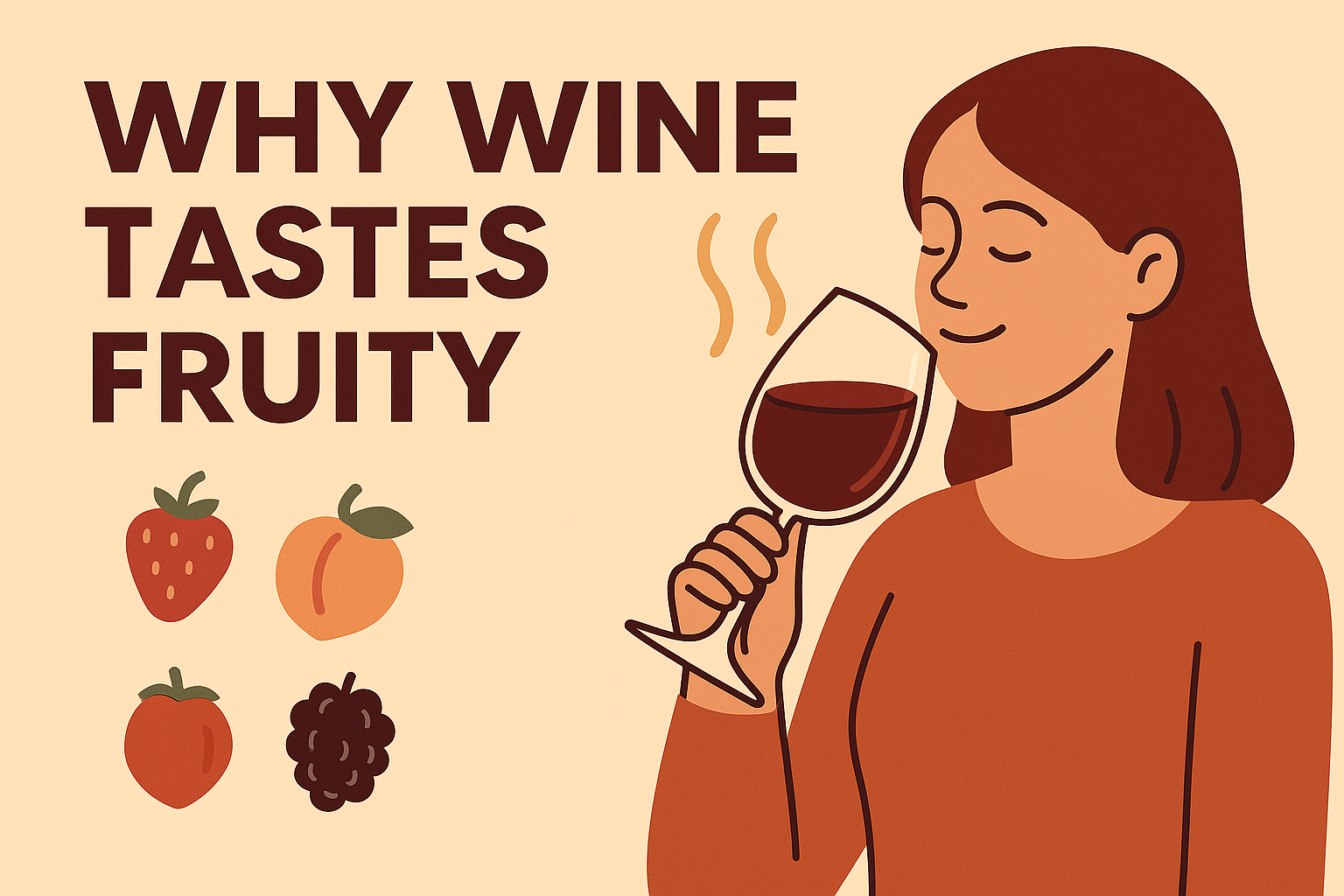
Why Some Wines Taste Fruity: Even When They Aren’t Sweet
One of the biggest surprises for new wine drinkers is discovering that a wine can taste fruity without actually being sweet. You’ll smell strawberries in a completely dry rosé, ripe peach in a crisp Albariño, or blackberry jam in a Cabernet that has zero sugar in it. So what’s going on? Why do dry wines smell and taste like fruit? The short answer: fruitiness isn’t sweetness. The long answer is what we’ll explore here.

Wine Sweetness Levels Explained: Bone Dry to Sweet
Sweetness is one of the first things people notice about wine — yet it’s also one of the most misunderstood. A wine can be labeled “dry” and still taste fruity. Another can contain actual sugar but still feel refreshing. And then there are all the terms like off-dry, Brut, or late harvest, which seem like they belong in a glossary. This guide breaks everything down simply so you can understand what sweetness actually means, how it changes the way a wine tastes, and how to recognize where a wine sits on the spectrum.
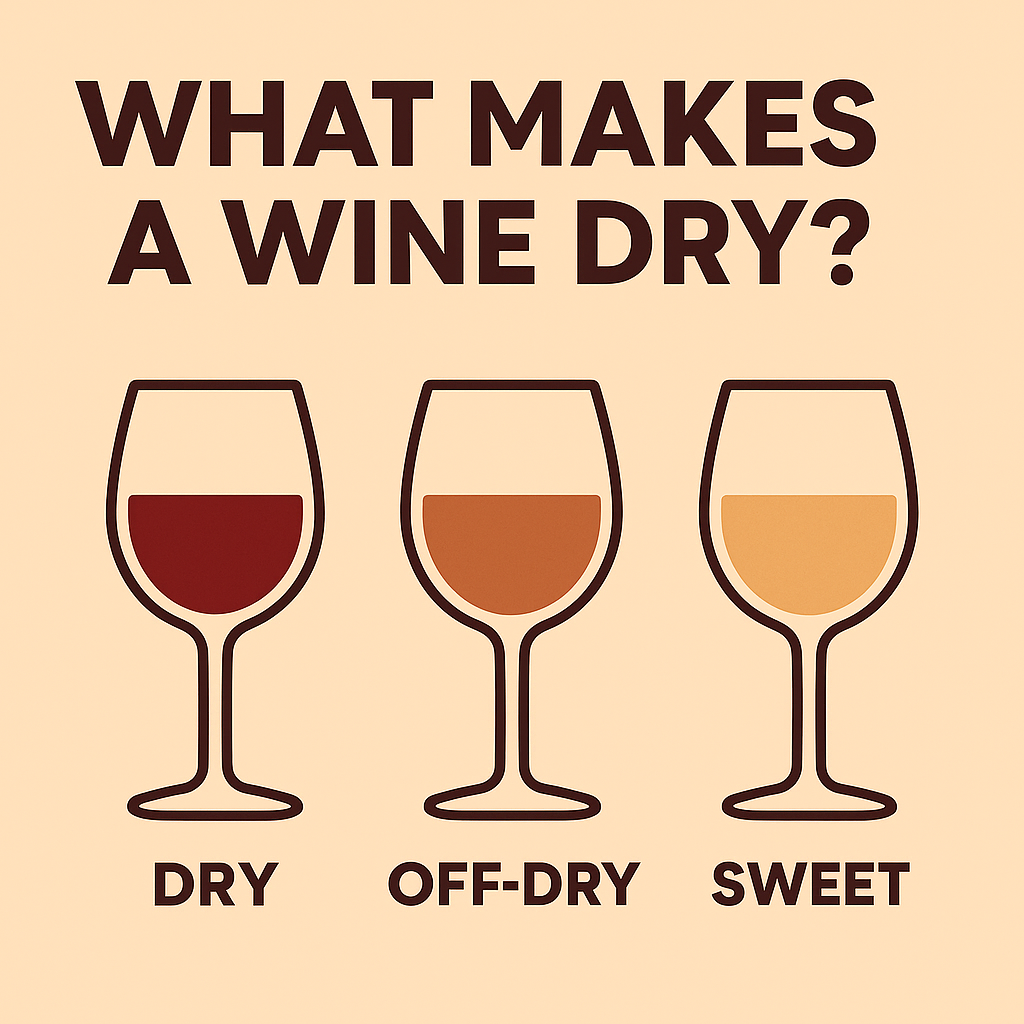
What Makes a Wine “Dry”? (And Why It Matters)
Dry wine doesn’t mean bitter, harsh, or not fruity it simply means not sweet. This beginner-friendly guide explains what makes a wine dry and how to tell what to expect in the glass.
Discover Your Wine Style
Take our quick quiz to uncover the wines you’ll love based on your tastes, mood, and lifestyle.
Quick & Easy
Takes less than 2 minutes
Personalized Results
Get wine recommendations that match your style
Better Choices, Every Time
Shop and explore with confidence
Not Sure Where to Start?
Essential Guides to help you build confidence with wine.
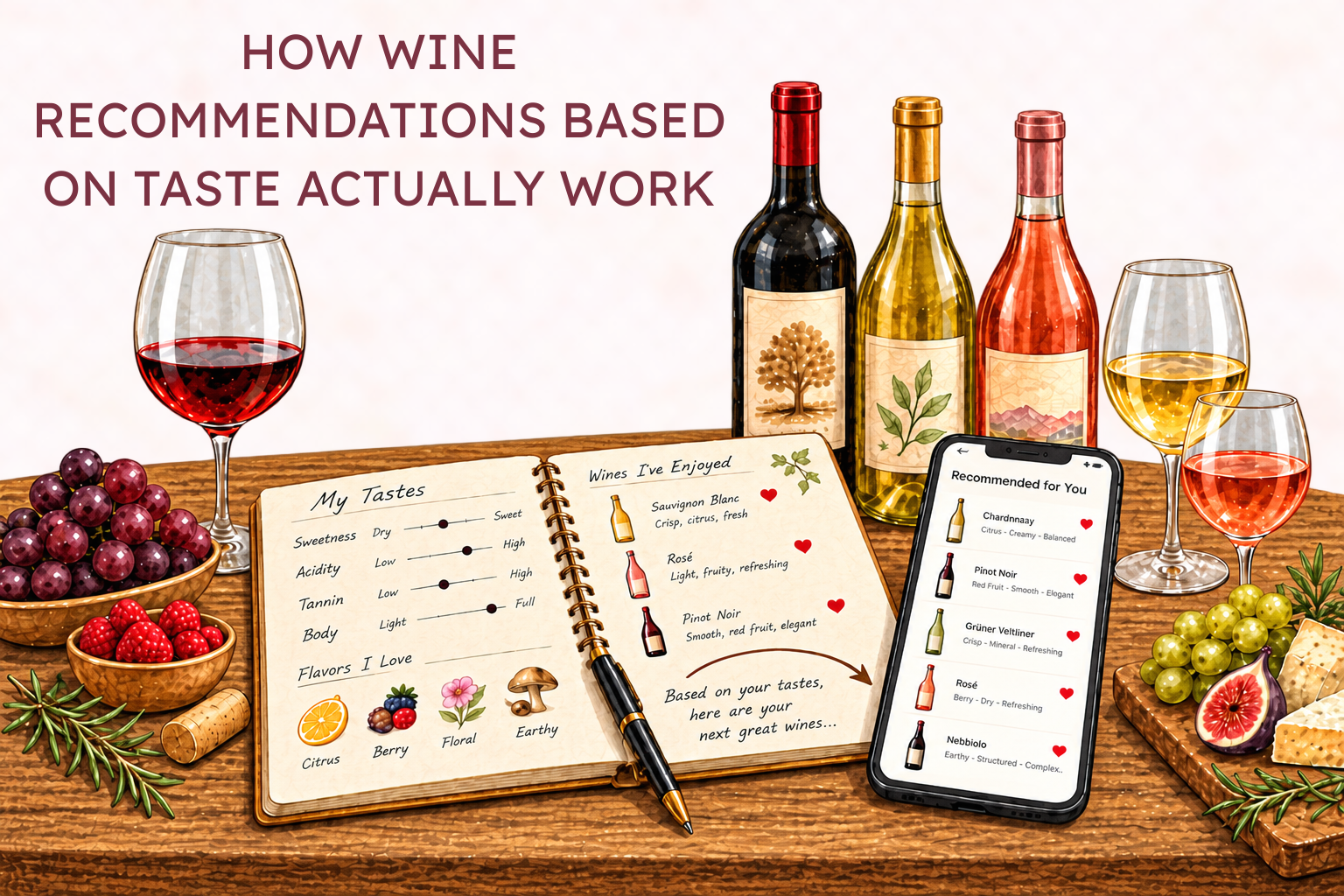
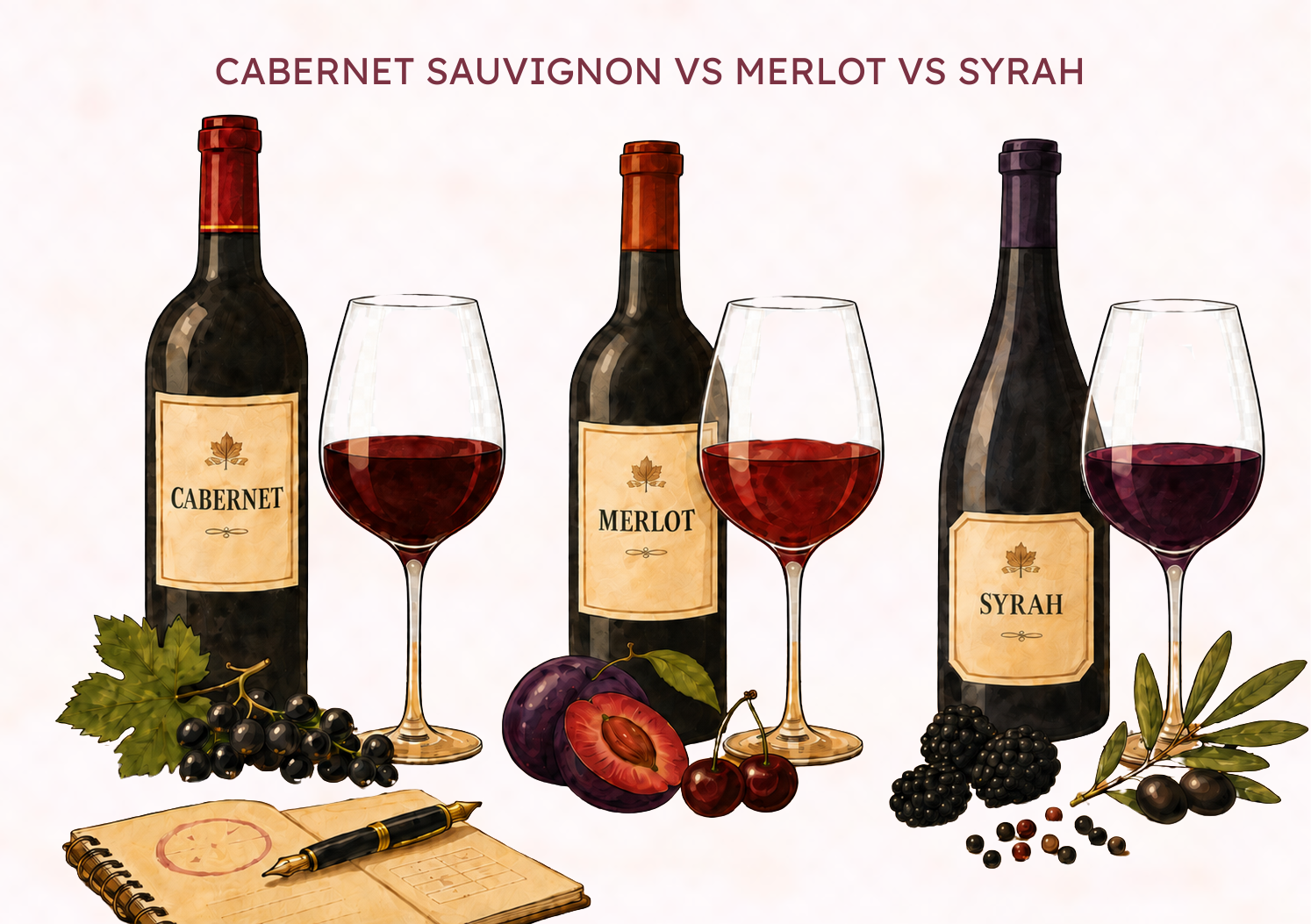
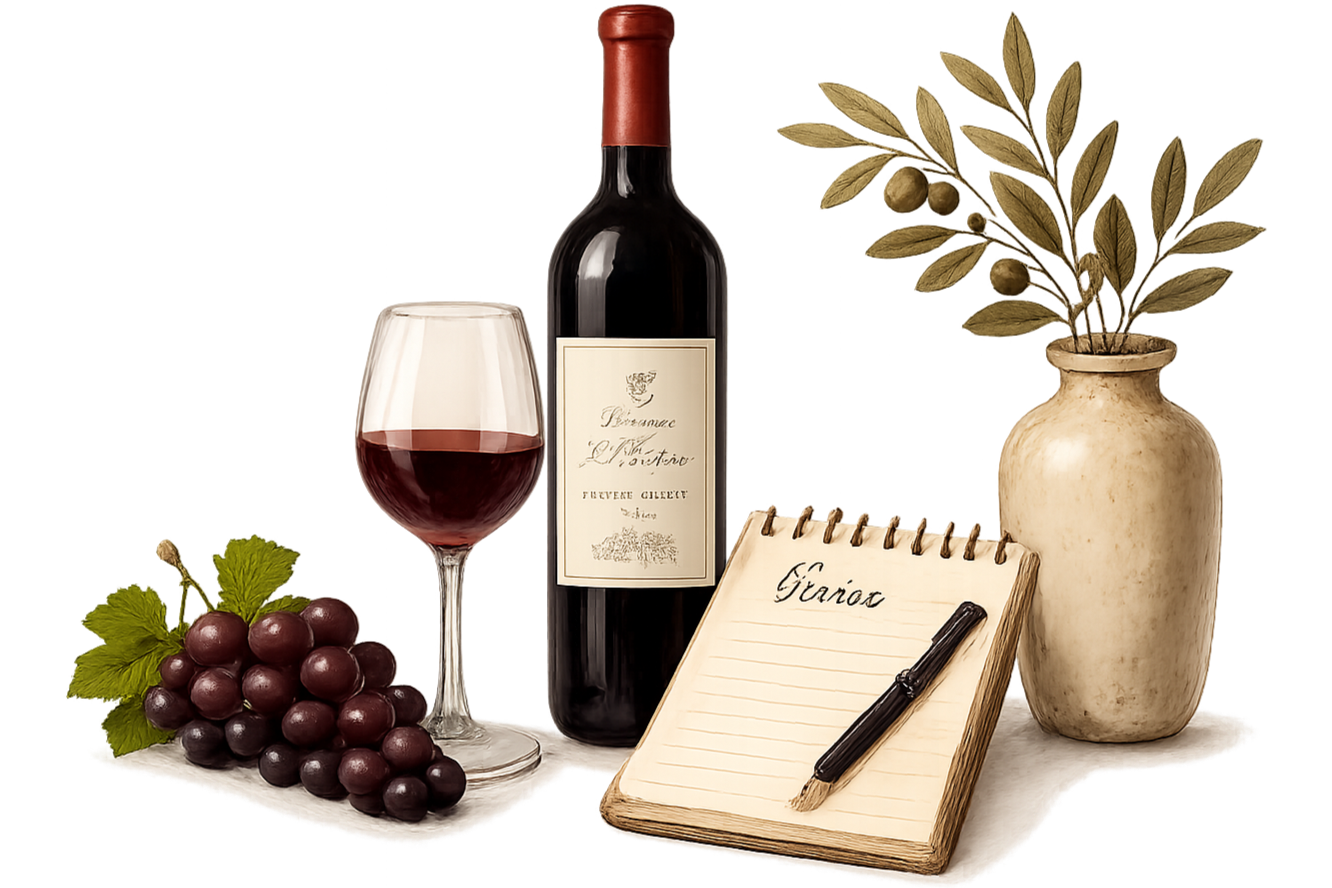
Remember the wines you actually enjoy.
Your free wine journal makes it easy to track what you love, learn from every bottle, and find your perfect pour.