
How to Choose a Wine for a Dinner Party
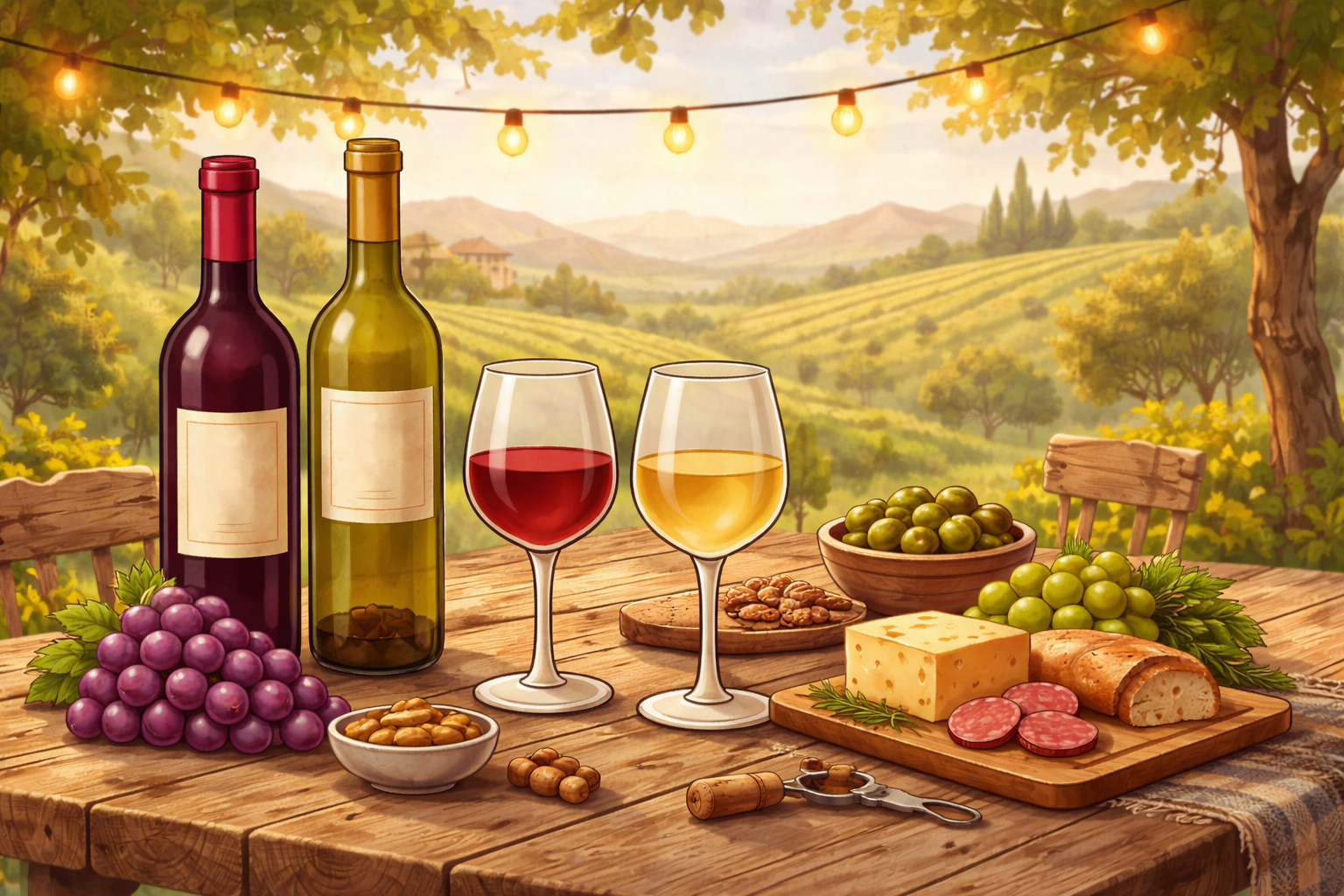
Choosing wine for a dinner party can feel weirdly high-pressure. You are not just picking a bottle you like. You are trying to bring something that works for a group, fits the food, feels thoughtful, and does not make you overthink every shelf in the store for 30 minutes. The good news is this: you do not need to find the “perfect” wine. You need to find a wine that is versatile, crowd-friendly, and suits the kind of meal and atmosphere you are walking into. That is a much easier job.
Start with the role the wine needs to play
Before you think about grape varieties, regions, or price, ask one simple question: What is this wine supposed to do?
Is it meant to be:
a safe bottle for a mixed group
something that pairs with dinner
a gift for the host
a bottle people will casually sip before the meal
something a little more special for a smaller gathering
That matters because not every dinner party wine needs to be impressive. Most need to be adaptable. A good dinner party wine is usually not the most intense, rare, expensive, or “serious” bottle in the shop. It is the bottle that works with the moment.
When in doubt, choose balance over extremes
Dinner parties usually involve multiple people, multiple palates, and often multiple foods. That means highly polarizing wines can be risky. A huge, oaky Chardonnay might be too heavy for some people. A sharp, aggressive red with lots of tannin might feel harsh if the food is lighter. An ultra-sweet or very funky bottle might be fun in the right setting, but it is not usually the safest crowd pick. This is where balance wins.
Look for wines that feel fresh, smooth, and easy to drink without being boring. You want something with enough flavor to be interesting, but not so much personality that it dominates everything around it. If you want a better feel for this idea, our post on Fresh vs Rich helps explain why some wines feel bright and lifted while others feel fuller and heavier.
Match the wine to the kind of dinner party
Not all dinner parties are the same, and your wine should reflect that.
Casual takeout, pizza, burgers, or pasta night
Go with something easy and flexible. This is a great place for juicy reds, smooth blends, or fresh whites that do not demand too much attention. Think:
Pinot Noir
Côtes du Rhône
Barbera
Sauvignon Blanc
unoaked or lightly oaked Chardonnay
These wines tend to be food-friendly and approachable without feeling dull.
Cozy dinner with richer food
If the menu includes roast chicken, creamy pasta, mushroom dishes, salmon, or something buttery or savory, you can lean a bit richer. Think:
Chardonnay
Viognier
Grenache blends
Merlot
Rioja Crianza
You still want balance, but you can bring a little more body and texture here.
Outdoor gathering or lighter meal
If the vibe is lighter, brighter, or more relaxed, keep the wine fresh. Think:
Sauvignon Blanc
Pinot Grigio
dry Riesling
rosé
lighter Pinot Noir
These choices feel more refreshing and are usually easier for a wider range of people to enjoy.
Host gift for people whose taste you do not know
This is where safe versatility matters most. A medium-bodied red or crisp, balanced white usually lands better than something bold and divisive. A well-made Pinot Noir, Rioja, Sauvignon Blanc, or dry Chenin Blanc is often a smart move. This is not the moment to bring the weird natural orange wine unless you know your audience. Save the chaos for another day.
Red, white, or both?
If you are bringing wine to share with a group, bringing one red and one white is often the best move. That does a few things:
gives people choice
covers more food possibilities
makes you look more thoughtful without making the decision harder
And no, this does not mean you need to spend a fortune. Two good bottles in a moderate price range are often better than one expensive bottle that only half the room ends up liking. This is also where people get tripped up by price. More expensive does not automatically mean better for the situation. Sometimes you are paying for prestige, rarity, region, or aging potential rather than drinkability in a casual social setting.
Our post on Price vs Quality breaks that down in a much more useful way than “just buy the expensive one,” which is lazy advice anyway.
What price range usually works best?
For most dinner parties, the sweet spot is often somewhere in the middle. You want to avoid the absolute bottom shelf unless you already know the producer is reliable. But you also usually do not need to overspend. In many cases, the best dinner party wines are the bottles that feel:
well-made
easy to enjoy
appropriate for the occasion
reasonable enough that opening them feels natural
A dinner party is rarely the right setting for a bottle so expensive that everyone becomes afraid to pour it. Bring something good. Not something stressful.
Safe dinner party wine picks when you need a shortcut
If you need a quick answer and do not want to overcomplicate it, these are usually solid categories to start with:
Safe red choices
Pinot Noir
Merlot
Grenache-based blends
Rioja
Barbera
Safe white choices
Sauvignon Blanc
dry Riesling
Pinot Grigio
Chenin Blanc
balanced Chardonnay
These are not universal rules, but they are useful starting points because they tend to be flexible with food and approachable for groups.
A few mistakes to avoid
One common mistake is choosing wine based only on what you like, without thinking about the context. If you love giant Napa Cabernet, that is fine. But it may not be the best fit for a dinner centered around fish, salads, and mixed palates. Another mistake is focusing too much on impressing people. Most hosts would rather you bring something pleasant and shareable than something expensive but awkward. And maybe the biggest mistake is overthinking it so much that you freeze. Wine is part of the gathering. It is not the entire performance.
The goal is confidence, not perfection
The best dinner party wine is usually not the flashiest bottle. It is the one that suits the meal, fits the mood, and makes people want another glass. That is what good wine choice looks like in real life. You do not need encyclopedic knowledge. You need a few useful principles: choose balance, think about the food, avoid extreme styles for mixed groups, and remember that versatile wines usually outperform dramatic ones in social settings. That is how you bridge wine knowledge into actual action.
And honestly, that is where wine becomes way more fun.
